
Keep the cabin tidy from the start: document the car at pickup, use a small cleanup kit, and avoid messy food, odors, and wet gear. Handle spills immediately and return the car free of trash, stains, and obvious debris.
Keeping a rental car clean on a long road trip is mostly about prevention, fast cleanup, and knowing the rental company’s rules before you leave the lot. If you set up the cabin early and handle messes right away, you can usually return the car in normal condition without surprise cleaning charges.
- Prevent, don’t fix: Small habits beat last-minute cleaning and reduce the chance of extra fees.
- Document everything: Photos at pickup and return help protect you if a mess was already there.
- Keep gear minimal: Use compact trash bags, wipes, and a microfiber cloth instead of bulky cleaners.
- Watch the risky messes: Smoke, pet hair, spills, mud, sand, and strong odors are common fee triggers.
- Use safe products only: Avoid harsh chemicals and anything that could damage trim, screens, or sensors.
How to Keep a Rental Car Clean on Long Road Trips: The Fast Answer
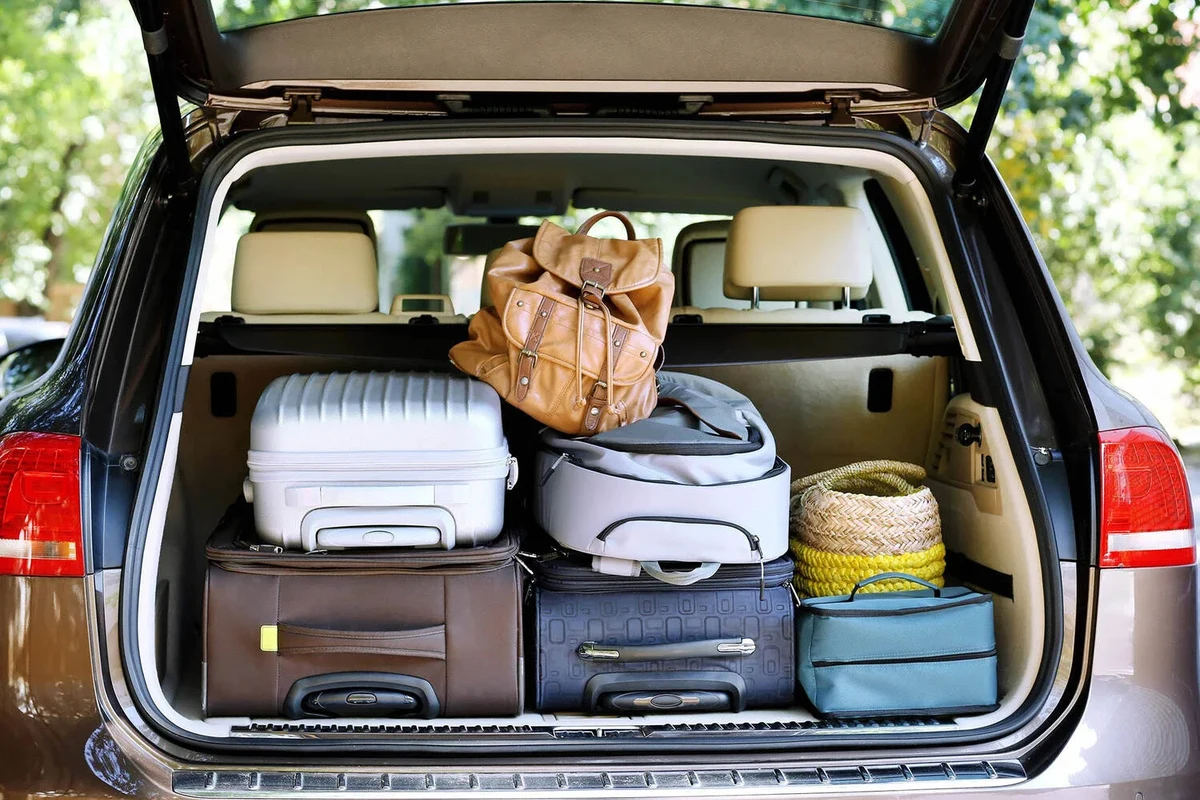
The simplest approach is to treat the rental like a temporary shared space: protect the seats and floors, limit food and drinks, use small trash bags, and clean spills immediately. Most cleaning fees come from avoidable issues such as heavy crumbs, odors, sticky residue, pet hair, sand, mud, smoke, or stains that need extra detailing.
What actually prevents cleaning fees on a road trip
Cleaning fees are usually tied to messes that go beyond ordinary use, not to a few crumbs or light dust. What helps most is keeping trash contained, avoiding strong odors, preventing liquid spills, and documenting the car’s condition at pickup and return.
Who this guide is for: families, solo travelers, business renters, and airport pickups
This guide is useful whether you are traveling with kids, carrying work gear, doing an airport pickup, or living out of a suitcase for several days. The same habits help in most rental models, but exact policy details can vary by company, location, vehicle class, and travel route.
Before You Leave the Lot: Set Up the Car for Easy Cleanup
A few minutes at pickup can save a lot of time later. Before loading your bags, look over the interior, confirm the rental basics, and make the cabin easier to maintain for the rest of the trip.
Do a quick rental-car inspection and document the interior condition
Check seats, floor mats, cupholders, door pockets, the trunk, and the back of the front seats for existing dirt, stains, or damage. Take clear photos or short videos of anything notable so you have a record if the condition is questioned at return.
- Photograph exterior scratches, wheels, windshield, fuel level, mileage, and interior condition.
- Check tires, lights, mirrors, warning lights, and dashboard alerts before leaving the lot.
- Report issues to the rental desk before starting the trip.
Check mileage, fuel level, dashboard alerts, tires, glass, and lights before departure
Confirm the odometer, fuel level, and any dashboard warnings before you drive away. If the car has a tire pressure light, windshield crack, broken bulb, or other issue, report it right away so you are not blamed for a preexisting problem.
If a warning light appears while driving, pull over safely when appropriate and contact the rental company or roadside assistance.
Confirm rental-company cleaning rules, smoking policies, pet policies, and prohibited items
Read the rental agreement or ask the counter agent about smoking, vaping, pets, food, and any items that are not allowed. Policies vary, and some companies treat smoke odor, pet hair, or stained upholstery as separate cleaning issues that may trigger extra charges.
Choose the Right Road-Trip Gear for a Cleaner Cabin
You do not need a lot of gear, but a few compact items make a rental much easier to keep tidy. Focus on portable, low-mess supplies that fit temporary use and do not interfere with the vehicle’s controls or safety systems.
Compact storage essentials: trash bags, wipes, microfiber cloths, and seat protectors
Bring small trash bags, unscented wipes, and a microfiber cloth for quick cleanup of spills, fingerprints, and dust. If you are traveling with children, pets, beach gear, or sports equipment, a seat protector or towel can help keep upholstery cleaner, as long as it fits the vehicle safely and does not slide around.
USB power, phone mounts, and cable management that reduce clutter
Charging cords, loose phones, and adapters can quickly turn a cabin messy. A simple phone mount and a single charging cable for each device reduce clutter and keep items from sliding between seats or under pedals.
Weather and emergency gear that stays clean and fits rental-car limitations
Choose compact gear that is useful without taking over the cabin: a flashlight, small umbrella, compact blanket, or basic emergency kit. If you need a tire inflator, jumper pack, or similar item, make sure it is compatible with the vehicle and that you understand the rental company’s policies before using it.
- Phone mount
- USB car charger
- Tire inflator
- Flashlight
- Basic emergency kit
What to prioritize when buying travel organizers for a rental vehicle
For rental use, the best organizers are lightweight, easy to remove, and small enough to store in your luggage when the trip ends. Prioritize compatibility with the car’s cupholders, seatbacks, and storage pockets, and avoid bulky accessories that block vents, seat controls, or visibility.
- Helps keep trash and small items contained
- Makes return cleanup faster
- Reduces clutter in a temporary vehicle
- Some organizers do not fit every rental model
- Cheap accessories can slip or block controls
- Overpacking the cabin can create more mess, not less
Smart Habits That Keep the Interior Clean Mile After Mile
Daily habits matter more than any single cleaning product. If everyone in the car follows a few simple rules, the interior stays much easier to manage on a long drive.
Food and drink rules that minimize spills and odors
Keep food simple, sealed, and easy to handle. Avoid messy sauces, open drinks, greasy snacks, and anything with a strong smell that can linger in upholstery or HVAC vents.
For most road trips, the cleanest rental is the one with fewer open containers, fewer crumbly snacks, and a trash bag within arm’s reach.
How to manage sand, mud, snacks, and wet gear on long drives
If you stop at beaches, trails, sports fields, or rainy rest areas, shake off shoes and gear before getting back in. Keep wet items in a separate bag or bin, and place dirty shoes or muddy equipment on a towel or mat rather than directly on the carpet.
Simple passenger habits that prevent stains, crumbs, and trash buildup
Ask passengers to use one designated cupholder or seat pocket, store wrappers immediately, and avoid putting sticky items on seats or console surfaces. A quick five-second cleanup at each stop is much easier than trying to fix a full-day mess at the end of the trip.
Cleaning Strategy During the Trip: Quick, Safe, and Low-Mess
Mid-trip cleaning should be light, safe, and temporary. The goal is to remove mess before it sets, not to perform a full detailing job in a parking lot.
What you can safely wipe down without damaging rental materials
In many rental cars, you can safely use a soft microfiber cloth to remove dust from hard plastic surfaces and a lightly damp cloth for small spills on non-electronic trim. Be gentle around touchscreens, stitched leather, piano-black trim, and glossy surfaces, which can scratch easily.
How to handle spills immediately before they turn into fees
Blot liquid spills as soon as they happen with paper towels or a clean cloth. Do not rub aggressively, and do not use soaking-wet towels that can push liquid deeper into the seat or carpet.
- Blot spills quickly
- Use gentle, non-abrasive cloths
- Keep a small cleanup kit within reach
- Scrubbing stains hard
- Using heavy perfume to hide odors
- Soaking the upholstery or electronics
When to avoid harsh cleaners, abrasives, or anything that could harm trim or screens
Avoid bleach, ammonia-heavy sprays, abrasive pads, and strong solvents unless the rental company or vehicle manual explicitly allows them. Many modern interiors have sensitive materials, and using the wrong cleaner can create more damage than the original mess.
Cleaning product compatibility can vary by seat material, infotainment screen coating, and interior trim. When in doubt, use the mildest option and check the vehicle manual if available.
Rental-Car Compatibility and Safety: What You Can and Cannot Use
Not every accessory is a good fit for every rental. Temporary gear should be easy to remove, safe for the vehicle, and unlikely to trigger a policy issue at return.
Seat covers, organizers, chargers, and mats: what usually works across rental models
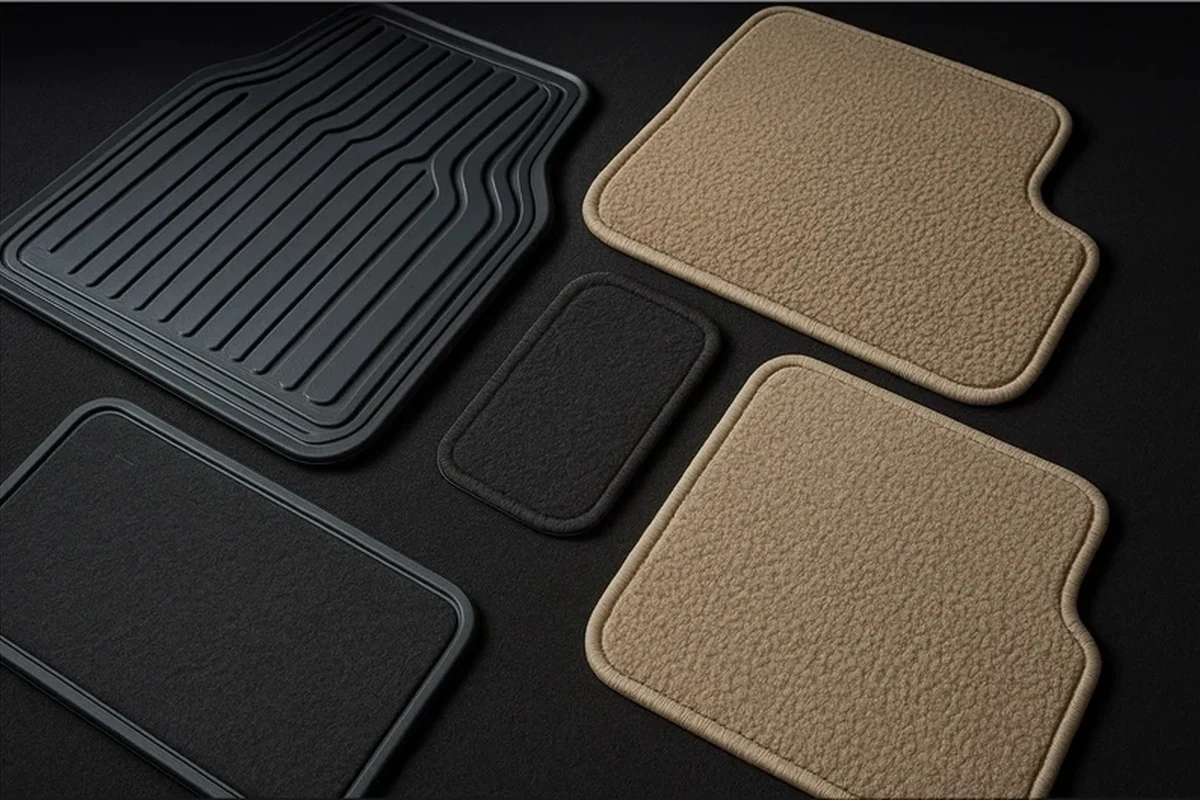
Universal items like small trash bins, removable organizers, USB chargers, and simple floor mats often work well if they do not interfere with pedals or seat movement. Seat covers can be helpful, but only if they fit securely and do not block side airbags or seat sensors.
Safety reminders: do not block airbags, sensors, vents, or driver visibility
Keep accessories away from airbags, dashboard sensors, rearview visibility, and climate vents. Anything that shifts while driving can become a hazard, especially in a car you do not know well.
Do not modify, unplug, reset, bypass, or tamper with a rental vehicle system without written permission from the rental company.
Common mistakes that create cleanup charges or inspection problems
The most common mistakes are smoking in the car, leaving trash behind, ignoring spills, carrying wet or muddy gear without protection, and using products that stain trim or leave residue. Another common issue is returning the car with personal items still inside, which can slow inspection and create confusion.
Return-Day Cleanup and Inspection Checklist
Return day should be a quick reset, not a panic cleaning session. Give yourself enough time to remove personal items, check the cabin, and review the rental agreement details before handing the car back.
Remove trash, food residue, personal items, and visible debris
Start with the obvious items: wrappers, bottles, receipts, chargers, toys, and anything in the trunk or seat pockets. Then look for crumbs, sticky spots, or dust in the cupholders, center console, and floor mats.
Check seats, floor mats, cupholders, trunk space, and door pockets
Do a slow pass through the entire cabin, including the back seat and cargo area. These are the places where small items and messes are most often missed, especially after a long trip with multiple stops.
Review mileage, fuel, glass, lights, and interior condition before return
Before you return the keys, confirm the mileage, fuel level, windshield, headlights, and dashboard status. If something changed during the trip, note it and be ready to explain it to the rental desk.
After-hours return checks and what to photograph for your records
If you are using an after-hours return, take photos of the parked car, the fuel level if visible, the mileage, and the interior condition before you leave the lot. Keep the return receipt, drop-box confirmation, or timestamped photos in case the vehicle is checked later.
Before leaving the airport rental lot, confirm the fuel level, mileage, toll policy, return location, and after-hours return rules.
Final Recommendation: The Best Low-Stress Approach for a Clean Rental Car
The best way to avoid cleaning fees is to combine a light setup with consistent habits: document the car at pickup, keep trash contained, limit messy food, wipe spills right away, and return the vehicle with the cabin free of obvious debris and odors. That approach works well for most travelers because it is simple, low-cost, and less likely to create accidental damage than heavy-handed cleaning.
Best overall routine for avoiding cleaning fees without overpacking or overcleaning
Pack only a few cleanup essentials, use them regularly, and avoid bringing anything into the car that is likely to stain, smell, or shed. If you keep the interior tidy during the trip, return-day cleanup stays short and the risk of extra charges stays much lower.
When to contact the rental company if damage, stains, or unusual messes happen
If there is a spill, smoke issue, pet-related mess, broken item, or other problem that may require extra attention, contact the rental company as soon as practical and follow their instructions. It is better to report a serious issue early than to wait until return and hope it goes unnoticed.
—
Common Questions
Use a trash bag, keep food simple, and wipe spills immediately. That prevents most of the mess that leads to cleanup charges.
Yes, but keep them compact and gentle. A microfiber cloth, wipes, and paper towels are usually enough.
Only if the rental agreement allows it, which many do not. Smoke odor can trigger extra cleaning fees.
Remove trash, personal items, and visible debris. You usually do not need a deep clean unless the car is unusually dirty.
Blot it right away and avoid harsh scrubbing. If the spill is significant, contact the rental company as soon as practical.
Frequently Asked Questions
No. Policies vary by rental company, location, vehicle class, and sometimes airport or state. Always check the rental agreement before you assume what is allowed.
Lightweight organizers, trash bags, microfiber cloths, and simple phone mounts are usually the easiest to use. Make sure nothing blocks airbags, pedals, vents, or visibility.
Use a towel, mat, or separate bag for dirty or wet items. Shake off shoes and gear before getting back in whenever it is safe to do so.
Photograph the interior, mileage, fuel level, and any visible mess or damage. Keep your return receipt or drop-off confirmation with those photos.
Contact them if there is a spill, odor, stain, pet issue, smoke issue, or damage that may need extra cleaning. Reporting early is usually better than waiting until return.
Avoid harsh chemicals, abrasives, and soaking wet cloths. These can damage trim, screens, upholstery, or sensors and may create a bigger problem than the original mess.


Leave a Reply