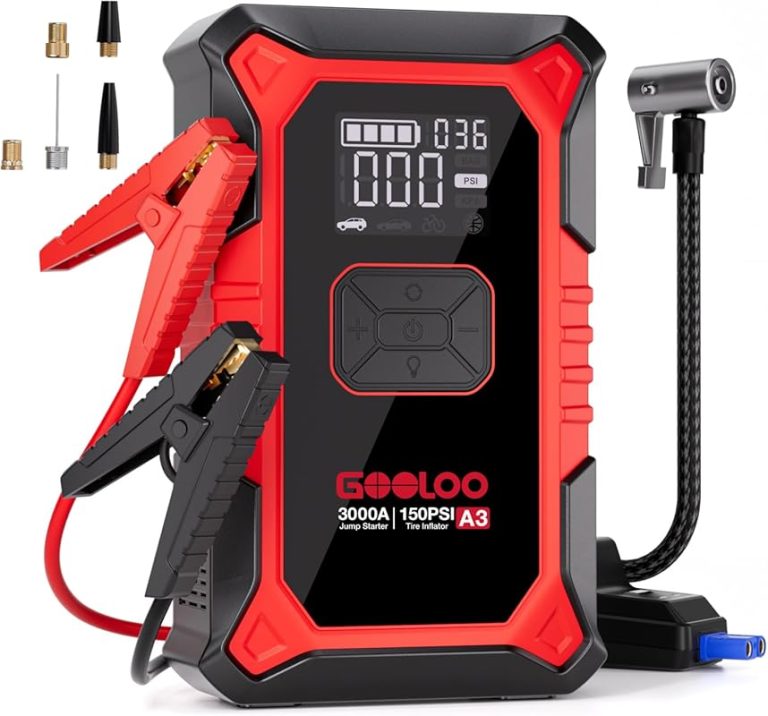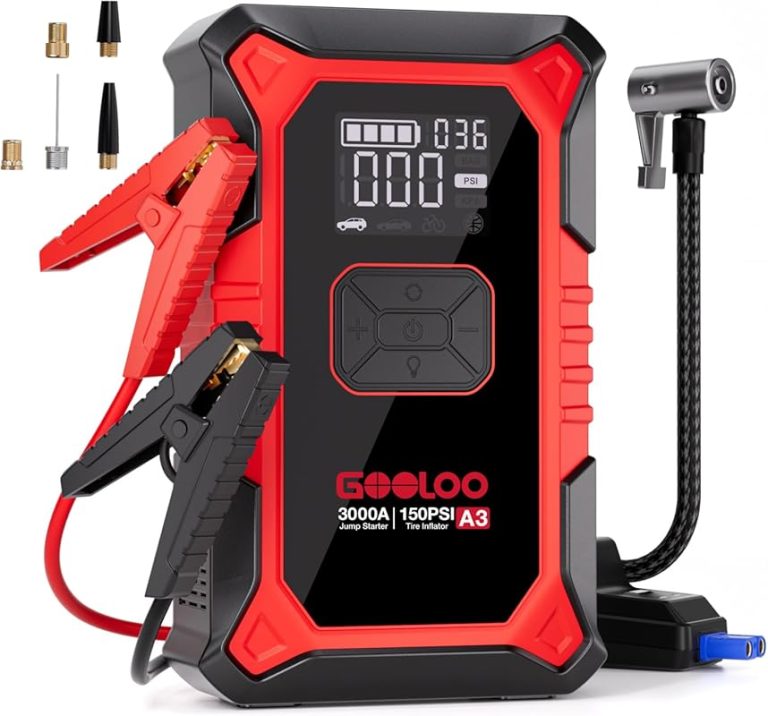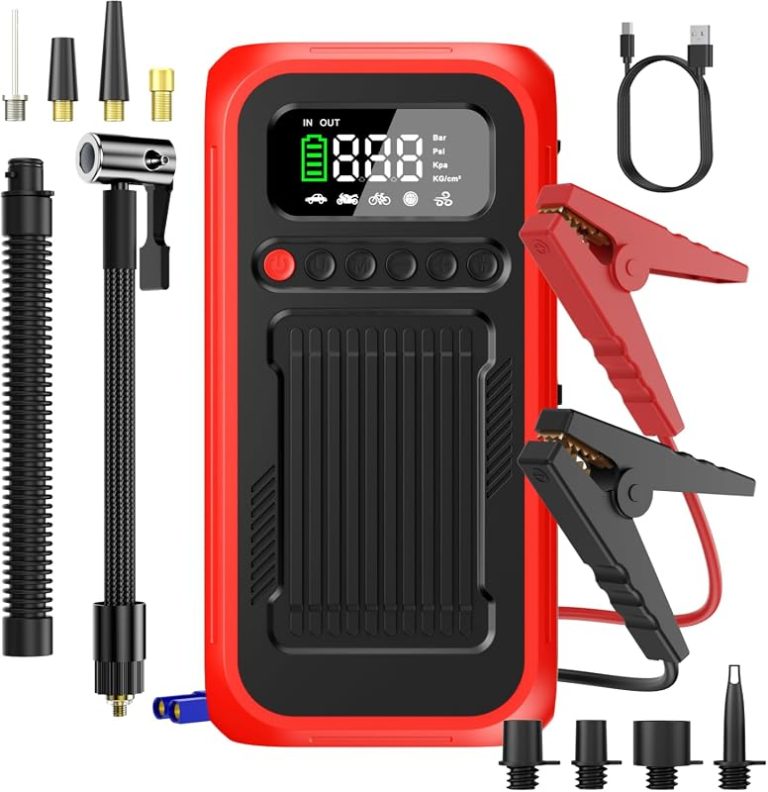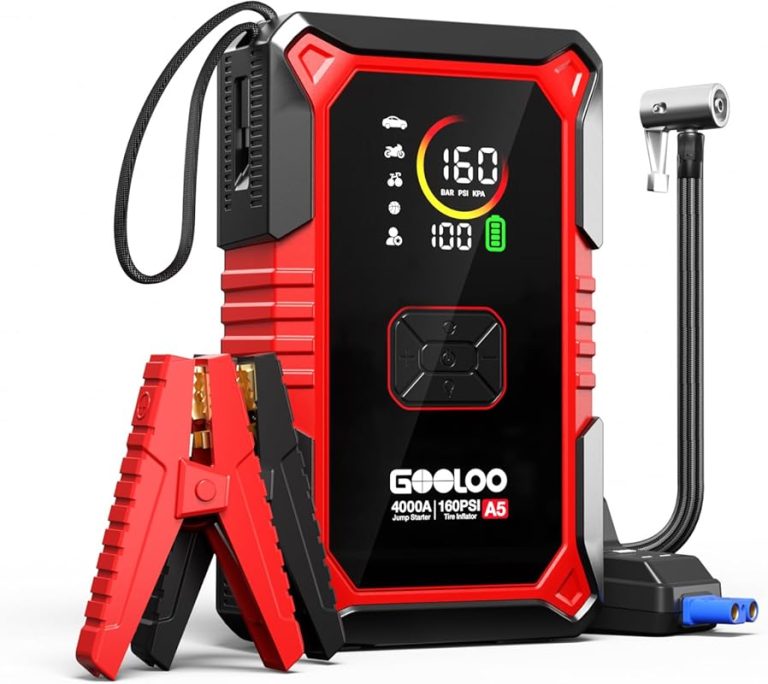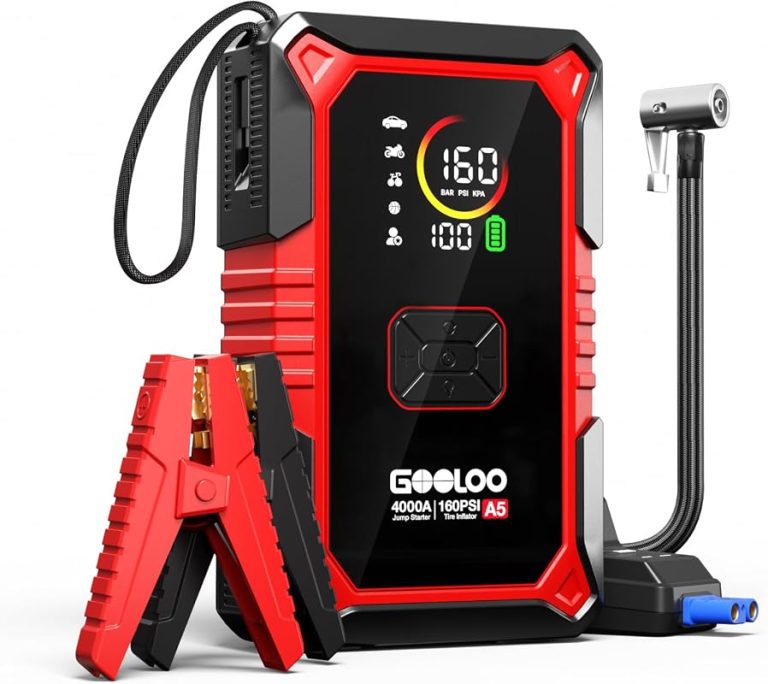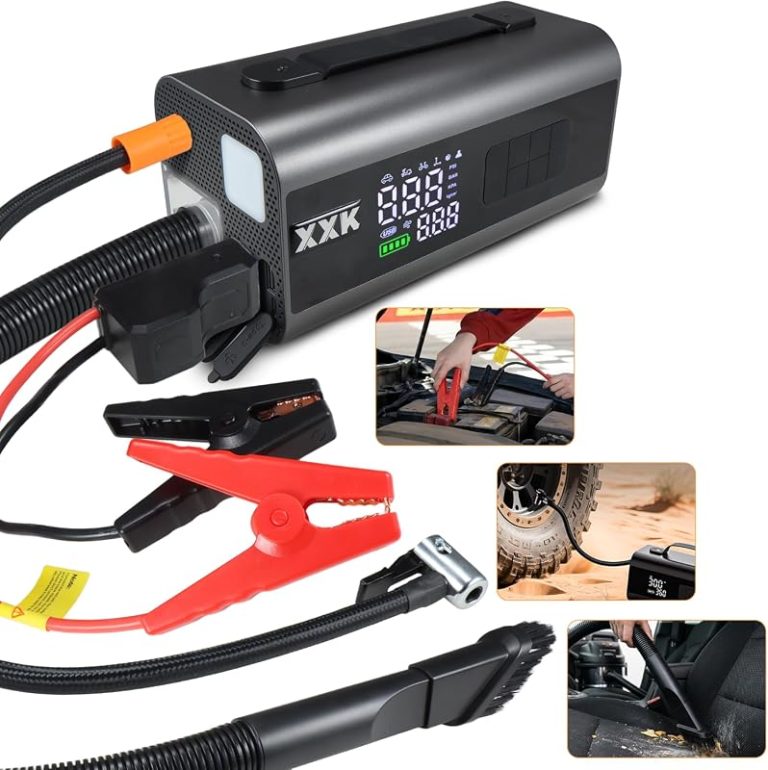
How Long Does It Take to Charge a Jump Starter?
Most jump starters take about 3 to 6 hours to charge, though larger models can take longer. Wall charging is usually fastest, while USB-C and vehicle charging may take more time depending on the model.
Most jump starters take about 3 to 6 hours to charge from empty, but compact models may finish sooner and larger units can take longer. The exact time depends on battery size, charging method, and how much power is left when you plug it in.
- Charging time varies: Battery size, charge level, and charger type all affect how long it takes.
- Wall power is best: A wall outlet is usually the quickest and most dependable way to recharge.
- Rental use needs planning: Check compatibility and rental-company rules before relying on the device.
- Safety comes first: Avoid damaged batteries, follow cable order, and stop if anything looks unusual.
- Travelers should pre-charge: Charge the unit before pickup so it is ready in the airport lot or.
How Long Does It Take to Charge a Jump Starter? Quick Answer for Rental-Car Drivers
If you are packing for a trip or dealing with a dead battery in a rental car, the short answer is this: many jump starters are ready in a few hours, not minutes. Smaller lithium models often recharge faster than larger units, while old-style, higher-capacity packs may need an overnight charge.
What Affects Jump Starter Charging Time in 2025
Charging time is not one fixed number because jump starters vary widely in design. The biggest factors are battery capacity, the charging source, and how depleted the unit is when you start.
Battery size, chemistry, and amp-hour capacity
Higher-capacity jump starters usually take longer to fill because they store more energy. Lithium-ion models are common for travel because they are compact and typically recharge faster than heavier lead-acid units, but the exact timeline still depends on the battery’s internal design and capacity rating.
For rental-car travelers, a smaller unit may be enough for a sedan or compact SUV, while a larger engine may call for a more capable pack. The tradeoff is simple: more power often means more charging time and more storage space in your luggage or trunk.
Wall charger vs. USB-C vs. vehicle charging
Charging from a wall outlet is often the fastest and most reliable option. USB-C charging can also be convenient, especially for travelers who pack one cable for multiple devices, but some jump starters charge slower over USB than with the original wall adapter.
Vehicle charging is useful on the move, but it is usually the slowest option because the 12V outlet may deliver limited power. That makes it better for topping off a partially charged unit than for reviving a fully drained one before a morning pickup.
Charging speed varies by model, cable quality, and power source. Check the jump starter manual before relying on a USB-C or vehicle charger.
How the starting state of charge changes the timeline
A jump starter that is already half full may only need a short top-off, while a completely drained unit can take several hours. Some models also slow down near full charge to protect battery health, so the last part of the process may seem slower than the first.
If you are preparing for a flight, road trip, or rental pickup, it is smart to charge the unit the night before. That gives you a buffer if the indicator light is not precise or the charging cable is slower than expected.
Who This Guide Is For: Travelers, Road-Trippers, and Rental-Car Users
Jump starters are especially useful when you are away from home and do not want a minor battery issue to turn into a long delay. They are also helpful when you are using a rental vehicle and want a compact backup plan for parking lots, hotels, and early departures.
Why rental-car drivers need a portable jump starter
Rental cars can sit for hours or days between trips, especially at airports, hotels, or remote destinations. If the battery is weak, a jump starter may help you get moving without waiting for a tow truck, but it should still be used within the limits of the rental agreement and the vehicle manual.
Before leaving the airport rental lot, confirm the fuel level, mileage, toll policy, return location, and after-hours return rules.
When a jump starter is useful versus when to call roadside assistance
A jump starter is most useful for a simple low-battery situation when the vehicle otherwise seems normal. If the car has warning lights, damaged cables, a swollen battery, fuel smell, or repeated starting problems, roadside assistance or the rental company is usually the safer next step.
If a warning light appears while driving, pull over safely when appropriate and contact the rental company or roadside assistance.
How to Charge a Jump Starter Safely and Efficiently
Charging is usually straightforward, but it is worth doing it the right way so the unit is ready when travel plans change. Safe charging also helps preserve battery health over time.
Step-by-step charging basics
Use the charger and cable type recommended by the manufacturer.
Wall charging is usually the best option when you have time before a trip.
Use the charge display as a guide, but do not assume every model reports battery level the same way.
Unplug it after charging is complete and keep it in a cool, dry place.
Best charging habits for long-term battery health
Keeping a jump starter partially charged is usually better than letting it sit empty for long periods. For travel gear, it also helps to check the charge before each trip, especially if the unit has been stored in a trunk, garage, or carry-on bag for weeks.
Try to avoid extreme heat, since rental-car trunks, airport parking lots, and summer road trips can all expose electronics to high temperatures. If the device gets hot while charging, stop and follow the manufacturer’s guidance.
Common charging mistakes to avoid
- Use the correct charger and cable for the model.
- Charge the unit before travel instead of waiting for an emergency.
- Store the jump starter in a dry, temperature-conscious location.
- Using damaged cables or random adapters.
- Leaving it in direct sun inside a parked vehicle.
- Assuming a low-quality cable will charge as fast as the original one.
Vehicle Compatibility and Rental-Company Policy Considerations
Even if a jump starter is fully charged, it still needs to match the vehicle and the rental company’s rules. Compatibility matters because engine size, battery condition, and electrical system design can affect whether the device is appropriate.
Checking whether the jump starter matches your rental vehicle
Look at the jump starter’s engine-size guidance, peak amperage, and connector instructions before using it on a rental car. A compact sedan usually has different needs than a full-size SUV, minivan, or truck, so it is better to confirm the match than guess.
What rental agreements may allow or restrict
Rental agreements vary, and some companies may have rules about roadside repairs, battery handling, or outside assistance. A jump starter is usually a portable accessory, but you should still confirm whether using one affects your responsibilities if the car later needs service.
Do not modify, unplug, reset, bypass, or tamper with a rental vehicle system without written permission from the rental company.
When to contact the rental company instead of using the device
Contact the rental company first if the battery issue appears tied to a dashboard warning, a no-start condition that repeats after jumping, or any sign of electrical trouble. If the car is under a roadside plan through the rental company, that may be the easiest way to avoid confusion about responsibility later.
- Verify compatibility, policy, vehicle condition, return rules, and travel needs.
- Keep receipts, photos, rental agreement details, and emergency contact information accessible.
Safety Tips Before, During, and After Using a Jump Starter
Safety matters because a jump starter deals with a vehicle’s electrical system, and mistakes can damage the car or create sparks. The safest approach is to stay calm, follow the manual, and stop if anything looks unusual.
Battery condition, cable order, and spark prevention
Before connecting anything, inspect the battery area for leaks, swelling, corrosion, or cracked parts. Follow the connector order shown by the manufacturer, keep metal tools away from the terminals, and make sure the cables are firmly attached before trying to start the car.
Never use a jump starter on a visibly damaged battery or one that seems hot, leaking, or swollen.
Weather, moisture, and emergency visibility concerns
Rain, snow, and low light can make roadside work more difficult. If you are in a parking lot, on a shoulder, or near traffic, prioritize visibility, stay aware of your surroundings, and avoid standing in unsafe positions while connecting equipment.
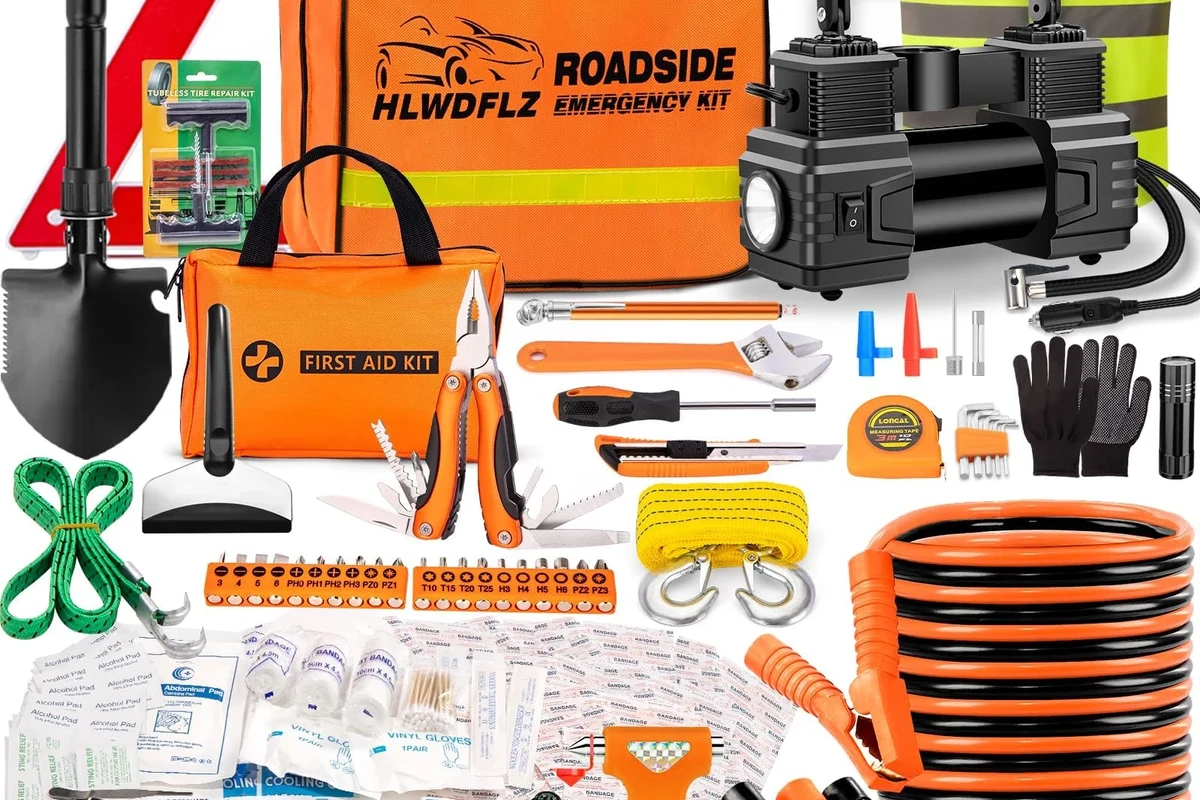
For airport pickups and late-night returns, keep a flashlight and reflective items in your travel kit. Small tools can make a big difference when you are trying to stay organized and visible.
- Phone mount
- USB car charger
- Tire inflator
- Flashlight
- Basic emergency kit
When not to use a jump starter
Do not use a jump starter if the battery compartment is damaged, the vehicle has a strong fuel smell, the wiring looks unsafe, or the owner’s manual says not to attempt a jump start. In those cases, roadside assistance or the rental company is the safer option.
How to Choose the Right Jump Starter for Travel and Rental Cars
If you are buying one for rental-car use, the goal is not the biggest device on the shelf. The best choice is the one that balances charging speed, storage size, and enough power for the vehicles you are most likely to rent.
Power output, peak amps, and engine size matching
Start by matching the jump starter’s output to the type of vehicle you usually rent. A small commuter car, midsize SUV, or larger family vehicle may each benefit from different levels of power, so check the manufacturer’s guidance rather than relying on a generic recommendation.
| Option | Best For | Key Consideration |
|---|---|---|
| Compact jump starter | Light travel and small cars | Usually easier to pack and charge faster |
| Mid-size jump starter | Most rental sedans and SUVs | Balanced power and portability |
| Higher-capacity unit | Heavier vehicles or frequent use | Often larger and slower to recharge |
Compact storage, USB power, and phone-charging features
Travel-friendly jump starters often include USB ports, which can be useful if your phone battery is low and you need navigation, rideshare, or airline apps. A compact case also matters because rental trunks, carry-ons, and hotel bags fill up quickly.
Extra features that matter for road trips and airport pickups
Helpful extras can include a built-in flashlight, clear battery indicators, and a sturdy storage pouch. These features are not essential, but they can make the unit easier to pack and easier to use when you are tired, in a hurry, or dealing with a late arrival.
- Portable backup for travel delays
- Useful for phone charging in a pinch
- Can reduce dependence on waiting for assistance
- Not a fix for mechanical or electrical faults
- Some models charge slowly
- Compatibility must be checked carefully
Final Recommendation: The Best Charging and Buying Approach for 2025
For most travelers, the best approach is to buy a compact jump starter that charges quickly from a wall outlet, fits easily in a bag or trunk, and clearly matches the vehicle types you rent most often. Then charge it before each trip and keep the manual with your travel documents so you are not guessing in a parking lot.
What most drivers should prioritize
Prioritize safe charging, clear compatibility information, and a size you will actually carry. A smaller, well-matched unit is often more useful than a larger one that stays at home because it is inconvenient to pack.
When a higher-capacity model is worth it
A higher-capacity model makes sense if you frequently rent larger SUVs, travel in cold weather, or want more margin for a weak battery and extra device charging. Even then, confirm the charging time and storage needs before you buy, since bigger capacity usually means a longer recharge and more bulk.
For rental-car travelers, the best jump starter is the one you can fully charge ahead of time, store easily, and use safely without confusion. If you are unsure, check the rental agreement, the vehicle manual, and the jump starter instructions before relying on it on the road.
Frequently Asked Questions
Many jump starters take about 3 to 6 hours to charge, but larger models can take longer. The exact time depends on battery size, charge level, and the type of charger you use.
Often, yes, but it depends on the model and charger output. Wall charging is usually the most reliable option when you want the unit ready before a trip.
Usually you can use one, but rental policies vary and the vehicle manual still matters. Check the rental agreement and contact the company if the car shows warning lights or repeated starting problems.
Match the jump starter’s engine-size guidance and power output to the vehicle you are renting. If the rental is a larger SUV or truck, confirm the device is rated for that type before use.
Take photos of the dashboard, battery area if visible, and any warning lights, and keep your rental agreement handy. If you contact the rental company, note the time, name, and instructions you receive.
Do not use it if the battery looks damaged, swollen, leaking, or hot, or if the manual says not to jump start the vehicle. In those cases, roadside assistance or the rental company is the safer choice.