Can a Jump Starter Charge a Car Battery?
No, a jump starter usually cannot fully charge a car battery. It can help start the engine, but a proper charger or the vehicle’s alternator is what restores battery power.
If you’re asking, “Can a jump starter charge a car battery?” the short answer is no—not in the same way a battery charger does. A jump starter is mainly designed to provide a quick burst of power so the engine can start, while a charger is meant to refill the battery more slowly and more completely.
That difference matters for rental drivers, especially when you’re in an airport lot, on a road trip, or trying to get moving before a reservation window closes. In many cases, a jump starter can help you recover from a dead battery long enough to drive to a safer place, but it should not be treated as a full battery solution.
- Jump vs. charge: A jump starter helps the engine start; it does not replace a battery charger.
- Rental caution: Check the agreement and roadside terms before using any accessory on a rental car.
- Safety first: Skip self-jump-starting if the battery is damaged, leaking, frozen, or the car has warning.
- Travel value: A compact jump starter can be useful for airport pickups and road trips when.
- Best next step: If the problem repeats, contact the rental company instead of assuming the battery is.
Can a Jump Starter Charge a Car Battery? The Short Answer for Rental Drivers
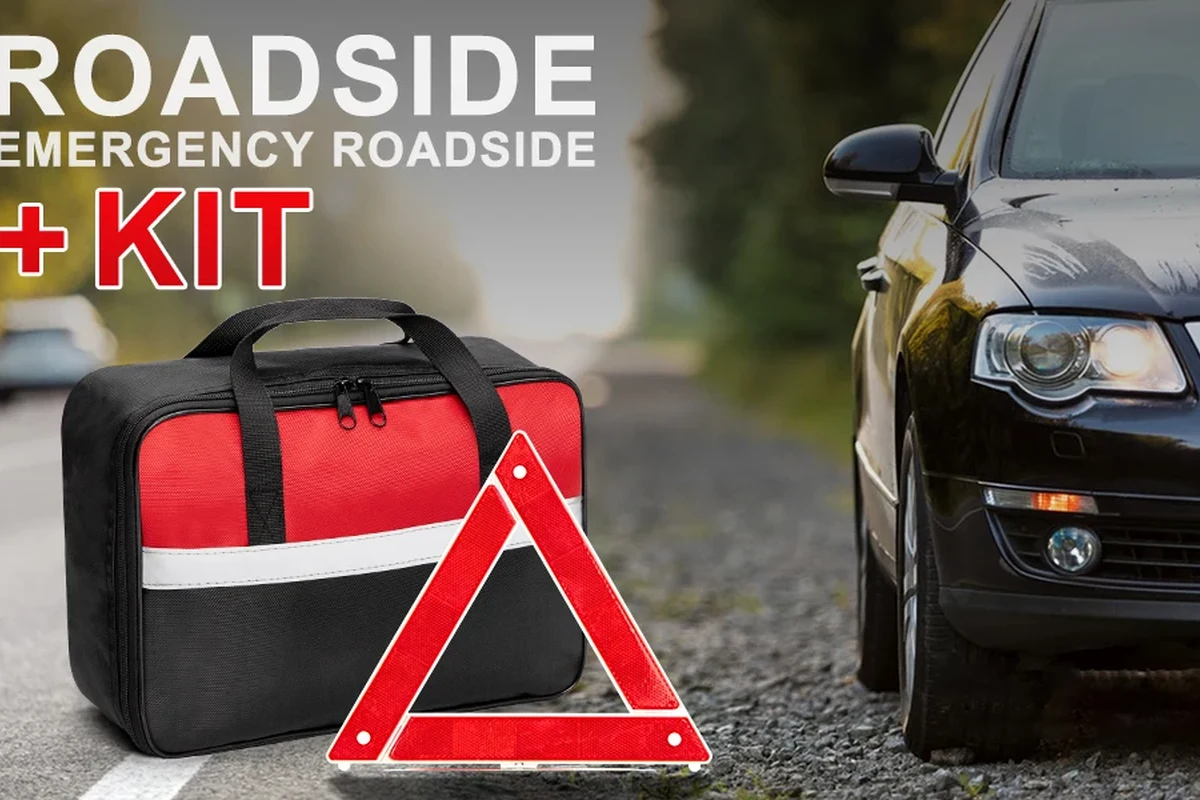
A portable jump starter can add enough energy to crank the engine, but it usually does not fully recharge the battery. Once the engine is running, the vehicle’s alternator takes over and begins replenishing the battery while you drive.
For a rental car, that means a jump starter is best seen as a temporary recovery tool. If the battery is weak, damaged, or repeatedly dying, the safer move is to contact the rental company or roadside assistance instead of assuming the problem is solved.
How a Jump Starter Works vs. How a Battery Charger Works
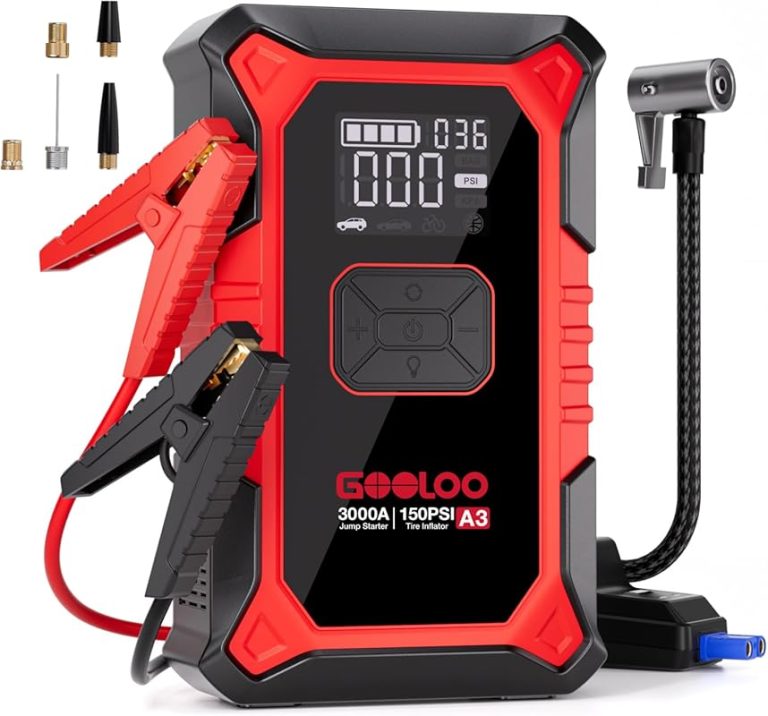
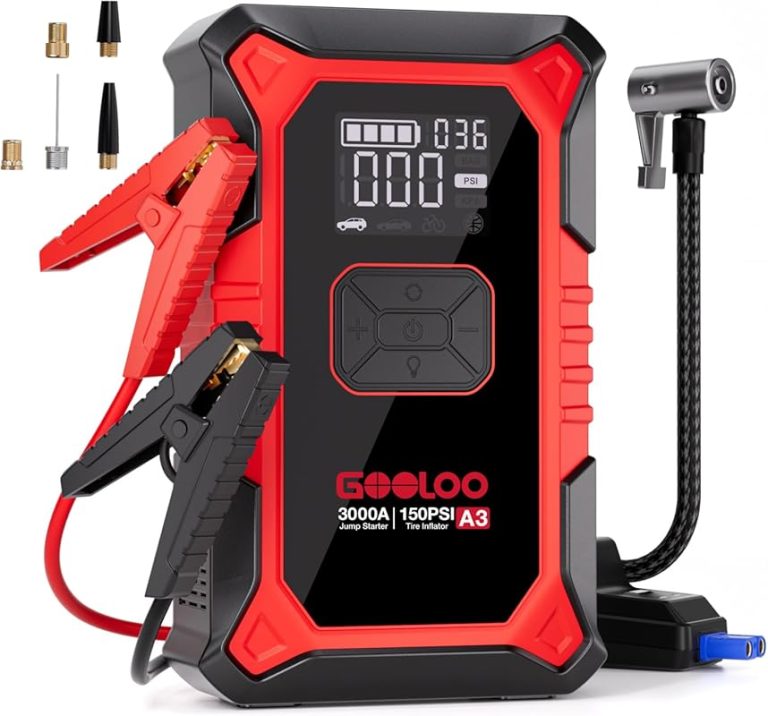
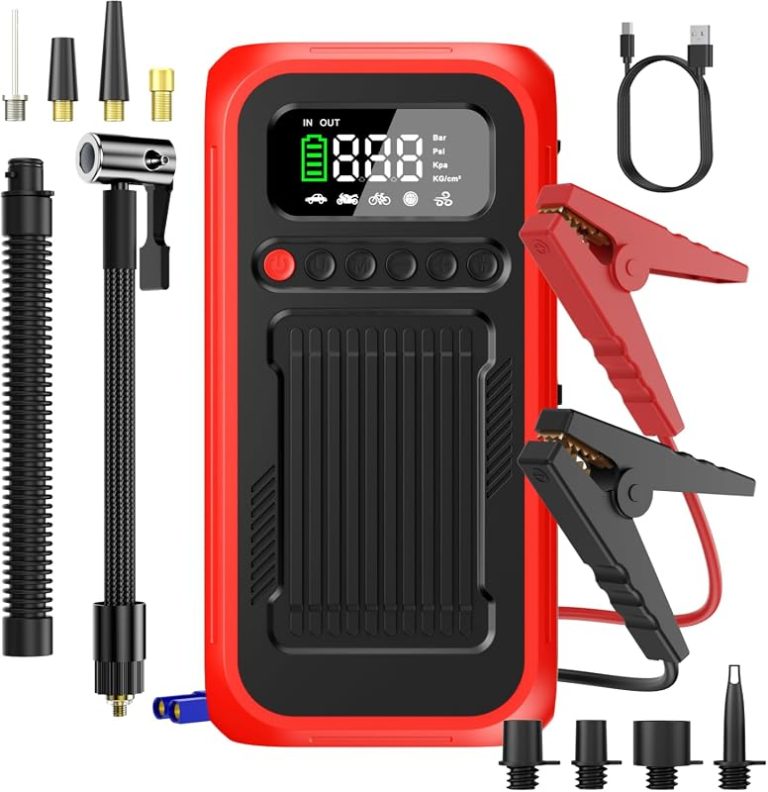
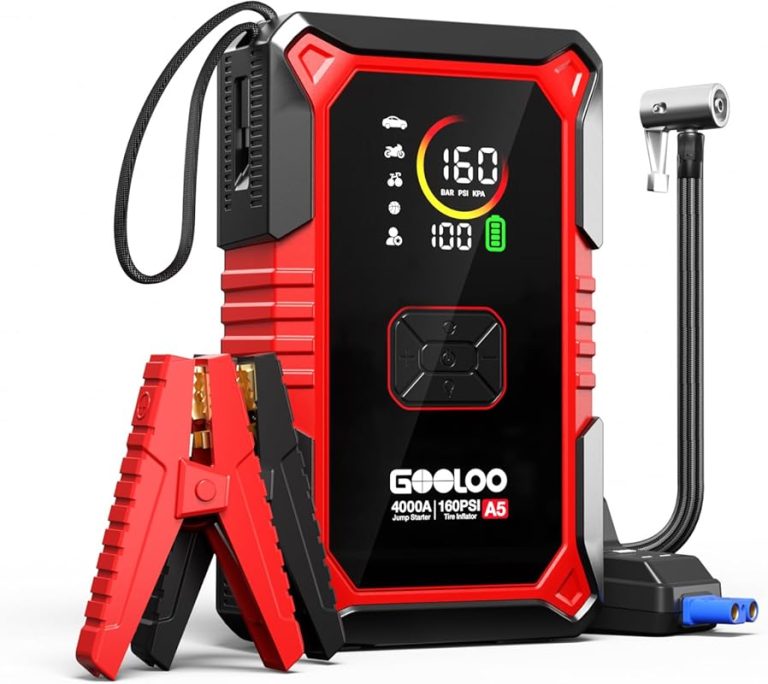
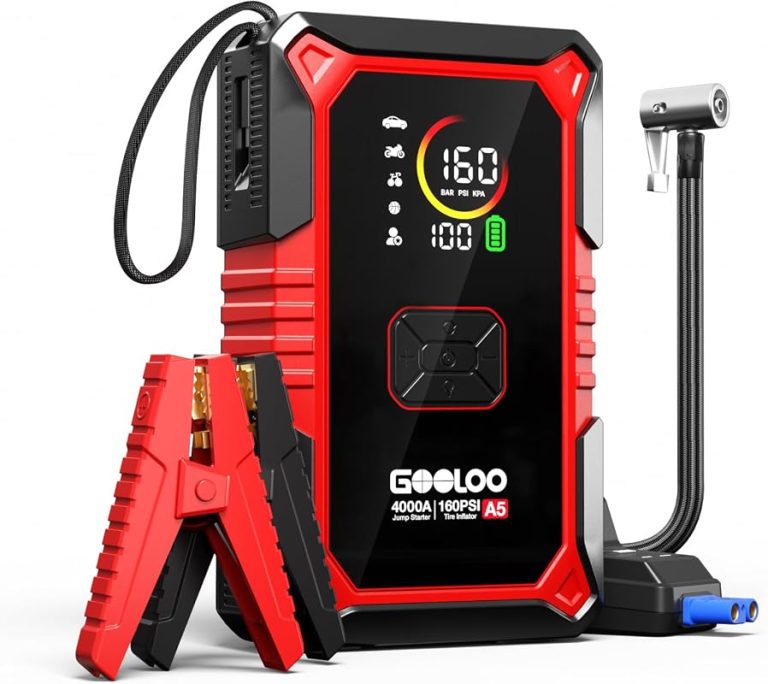
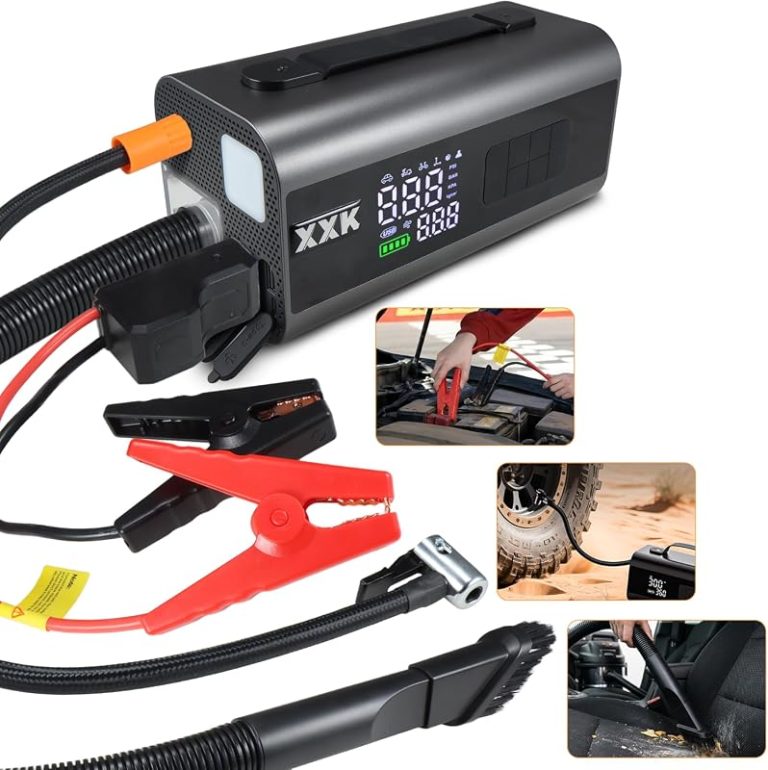
A jump starter stores electrical energy in a compact battery pack. When connected correctly, it sends a short, high-current boost to the car battery so the starter motor can turn the engine over.
A battery charger works differently. It delivers power more gradually over time, which is better for bringing a depleted battery back to a healthier state. Chargers are usually the right tool when a car can sit parked long enough to recharge properly.
- Jump starters are compact and travel-friendly.
- They can get a rental car moving without waiting for a tow.
- Many models also charge phones and small devices.
- They do not fully recharge a weak battery.
- They may not help if the battery is damaged or frozen.
- Incorrect use can create safety and warranty issues.
Who This Advice Is For: Rental-Car Drivers, Road-Trippers, and Airport Pickups
This topic is especially relevant for travelers who rely on a rental car schedule. Airport renters may have little time to troubleshoot, road-trippers may be far from a service center, and business travelers often need the car to start on the first try.
It also matters for families and first-time renters who may not know whether the issue is a dead battery, a loose connection, or a deeper vehicle problem. A jump starter can be useful, but only when the situation is simple and safe enough for a self-rescue.
For rental-car travelers, the goal is not just getting the engine started. It’s making sure you do it safely, document the problem, and avoid creating a dispute at return time.
Rental-Car Rules and Limitations You Need to Know Before Using One
Rental companies usually expect drivers to follow the owner manual, the rental agreement, and the company’s roadside-assistance process. That means a jump starter may be allowed in some situations, but policies can vary by company, location, and vehicle class.
Checking the rental agreement and roadside-assistance terms
Before using any accessory on a rental car, check whether the agreement mentions jump-starting, towing, battery issues, or prohibited repairs. Some companies prefer you call roadside assistance first so they can document the issue and send approved help.
If the rental includes roadside coverage, you may have a direct number to call. Keep that number saved before you leave the lot, because it is much easier to confirm the correct process before a problem happens.
When to contact the rental company instead of trying a self-rescue
Contact the rental company first if the car has warning lights, electrical glitches, a damaged battery, visible corrosion, a fuel smell, or anything that seems beyond a simple no-start. If the battery is leaking, swollen, frozen, or physically damaged, do not attempt a jump start.
Do not modify, unplug, reset, bypass, or tamper with a rental vehicle system without written permission from the rental company.
Also call for help if you are in an unsafe location, such as a busy shoulder, a poorly lit lot, or severe weather. A quick fix is never worth taking a risk with traffic or personal safety.
Vehicle Compatibility and Safety Basics in 2025
Most rental cars still use standard 12V systems, but modern vehicles can be more sensitive to incorrect connections or low-voltage conditions. That makes compatibility and careful handling more important than simply having a powerful jump starter.
12V systems, battery condition, and modern electronics
Most consumer jump starters are designed for standard 12V passenger vehicles, which includes many sedans, SUVs, and crossovers. Still, you should confirm that the jump starter matches the vehicle type and engine size recommended by the manufacturer.
Modern rentals may also have more electronics tied to the battery than older vehicles. If the battery is deeply discharged, the dash may show multiple warnings or the car may behave unpredictably until the system stabilizes.
If a warning light appears while driving, pull over safely when appropriate and contact the rental company or roadside assistance.
When a jump starter is appropriate and when it is not
A jump starter is appropriate when the vehicle otherwise appears normal, the battery is simply too weak to crank the engine, and the location is safe for a basic connection. It is not the right tool when the car has obvious electrical damage, a recurring no-start condition, or signs of a larger mechanical problem.
- Use the jump starter only for a standard 12V system you understand.
- Follow the vehicle manual and the jump starter instructions.
- Call the rental company if the issue returns after starting.
- Do not use it on damaged, leaking, or frozen batteries.
- Do not assume a successful start means the battery is healthy.
- Do not ignore warning lights or electrical symptoms.
How to Use a Jump Starter Safely in a Rental Car
Safe use starts with the car parked, in a secure location, with the ignition off and the jump starter charged enough for the vehicle. If you are unsure about the battery layout or the correct jump points, stop and check the owner manual or contact roadside support.
Step-by-step connection and start-up approach
Shift into park, set the parking brake, turn off lights and accessories, and make sure the area is safe before opening the hood.
Confirm the correct connection points and make sure the device is intended for a 12V passenger vehicle.
Attach the positive clamp first, then the negative clamp to the recommended ground point or battery terminal, following the instructions exactly.
Once the engine starts, remove the clamps in the order listed by the manufacturer and keep clear of moving parts.
Common mistakes to avoid with clamps, polarity, and power modes
The most common errors are reversed polarity, loose clamp contact, using the wrong power mode, and trying to force a start repeatedly. If the engine does not start after a couple of careful attempts, stop and reassess rather than overheating the starter or the jump pack.
Never place your face or hands near the battery while connecting or disconnecting clamps, and keep jewelry and loose clothing away from the engine bay.
What to Look for When Buying a Jump Starter for Travel
If you want a jump starter for rental-car trips, prioritize portability, clear instructions, and compatibility over flashy extras. The best travel-friendly model is usually the one you can store easily, understand quickly, and use safely under pressure.
Power output, size, USB charging, and compact storage
Look for a unit that clearly states compatibility with the type of vehicle you plan to rent, especially if you sometimes choose larger SUVs or trucks. Compact size matters because a jump starter should fit in a carry-on, backpack, or glove-box-adjacent storage area without becoming clutter.
Charging cable
Owner manual
Gloves
Flashlight
USB charging can be useful because the same device may help keep your phone powered during airport delays or roadside waits. Still, that convenience should not replace the core requirement: enough starting power for the vehicle class you rent.
Extra features that matter for rental-car use: flashlight, safety alarms, and case quality
A built-in flashlight is genuinely helpful when you’re checking a battery in low light or in a dim parking structure. Safety alarms, reverse-polarity alerts, and clearly labeled ports can also reduce user error for first-time renters.
Case quality matters more than many buyers expect. A sturdy case helps protect the jump starter from heat, vibration, and baggage handling, which is especially useful if you keep it with your travel gear rather than in a personal garage.
For rental travel, keep the jump starter charged and packed with the cable, manual, and any adapters in one case so you are not searching for parts in a parking lot.
Best Practices, Troubleshooting, and Final Recommendation
A jump starter can be a smart travel accessory, but only when you treat it as a temporary starting aid rather than a repair tool. If the car starts and then behaves normally, you may be able to continue your trip and let the alternator recharge the battery during driving.
When a jump starter can help, when it only provides a temporary start, and when professional help is the safer choice
It can help when the battery is simply low and the vehicle is otherwise healthy. It only provides a temporary start when the underlying battery problem has not been fixed, which means the car may fail again after a short stop.
- Verify compatibility, policy, vehicle condition, return rules, and travel needs.
- Keep receipts, photos, rental agreement details, and emergency contact information accessible.
Professional help is the safer choice when you have any doubt about the battery’s condition, the vehicle shows warning lights, or the location is unsafe for roadside work. For rental drivers, the cleanest path is often the one that protects both your safety and your paperwork.
Final recommendation for GiraffeCarRentals readers planning trips in 2025
If you travel often, a compact jump starter can be a useful backup accessory for rental cars, airport pickups, and road trips. Just remember that it is a starting aid, not a true charger, and confirm your rental company’s rules before relying on it.
- A jump starter can start a dead battery, but it usually does not fully charge it.
- Rental-car policies, battery condition, and safety should decide whether you use it or call for help.
- For travel, choose a compact, clearly labeled model with enough power for the vehicles you rent.
Frequently Asked Questions
No. A jump starter is mainly designed to give the battery enough power to start the engine, not to refill it completely. A battery charger or the vehicle’s alternator is what restores charge over time.
It can be safe if the vehicle is a standard 12V system, the battery is not damaged, and you follow the rental company’s rules. If anything looks unusual, contact roadside assistance or the rental desk first.
Review the rental agreement, roadside-assistance terms, and the vehicle manual. Also check the battery area and dashboard for damage, warning lights, or signs that the issue is more serious.
Take photos of the dashboard, mileage, fuel level, and any warning lights if it is safe to do so. Keep notes about the time, location, and who you contacted at the rental company.
Do not try if the battery is leaking, swollen, frozen, or visibly damaged. Also avoid self-jump-starting if the vehicle has major electrical problems or warning lights that suggest a bigger issue.
Use a jump starter only for a simple dead-battery situation on a compatible vehicle. If the problem seems uncertain or keeps coming back, professional help is usually the safer choice.