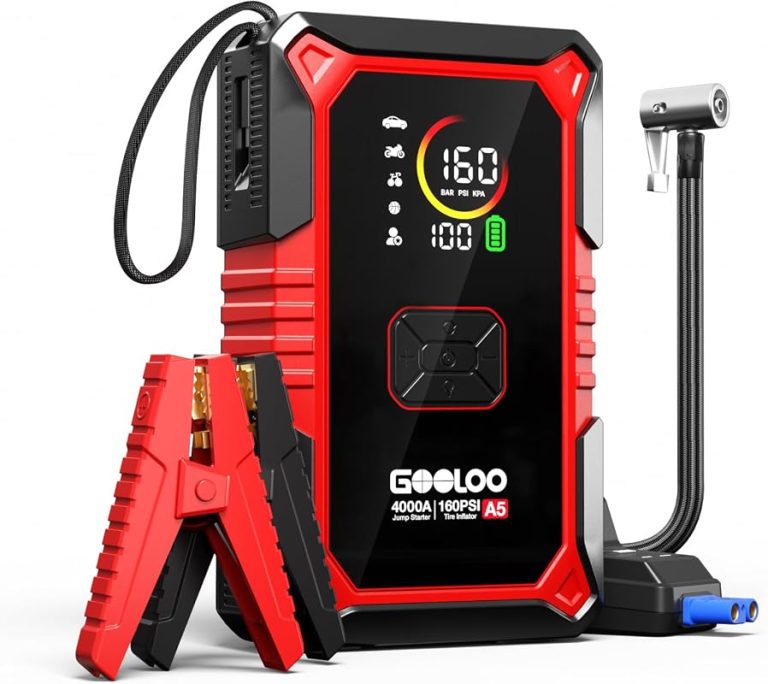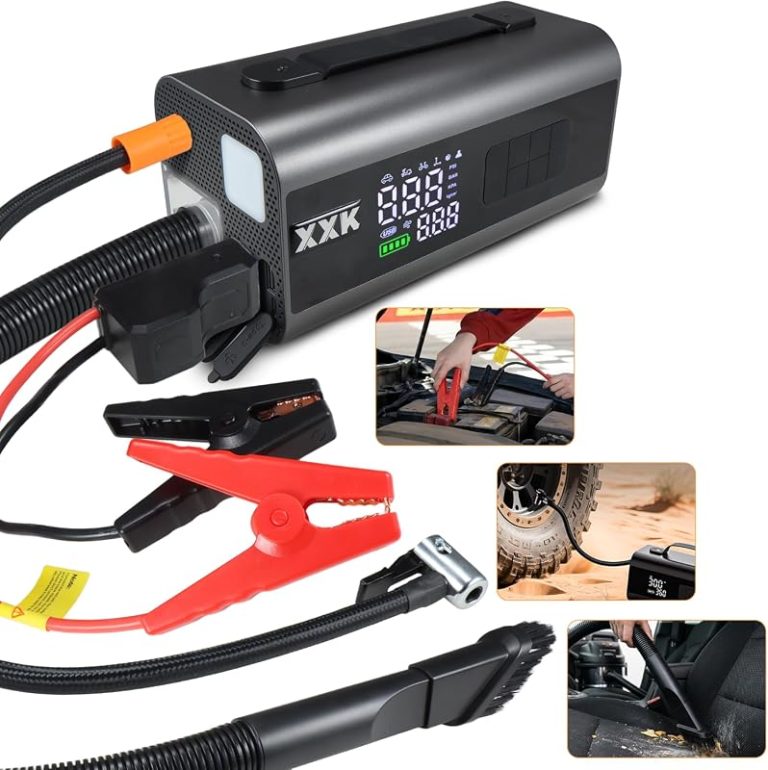
Can a Jump Starter Damage a Car Battery?
A jump starter usually will not damage a car battery when used correctly on a compatible 12V vehicle. The main risks come from wrong connections, repeated failed starts, or using it on a battery that is already failing.
A jump starter usually will not damage a healthy car battery when it is used correctly, but the wrong settings, reversed clamps, repeated failed starts, or an already failing battery can create problems. For rental drivers, the safest approach is to confirm the vehicle type, follow the rental company’s rules, and stop if the battery, cables, or dashboard warnings suggest something more serious than a simple low charge.
- Correct use: A properly connected jump starter is usually safe for a healthy 12V car battery.
- Biggest risks: Reversed polarity, poor clamps, and repeated attempts can cause damage.
- Rental caution: Check the agreement and call roadside assistance if the battery looks damaged or the.
- Vehicle type matters: Hybrids, EVs, and start-stop systems may need special instructions.
Can a Jump Starter Damage a Car Battery? Quick Answer for Rental Drivers
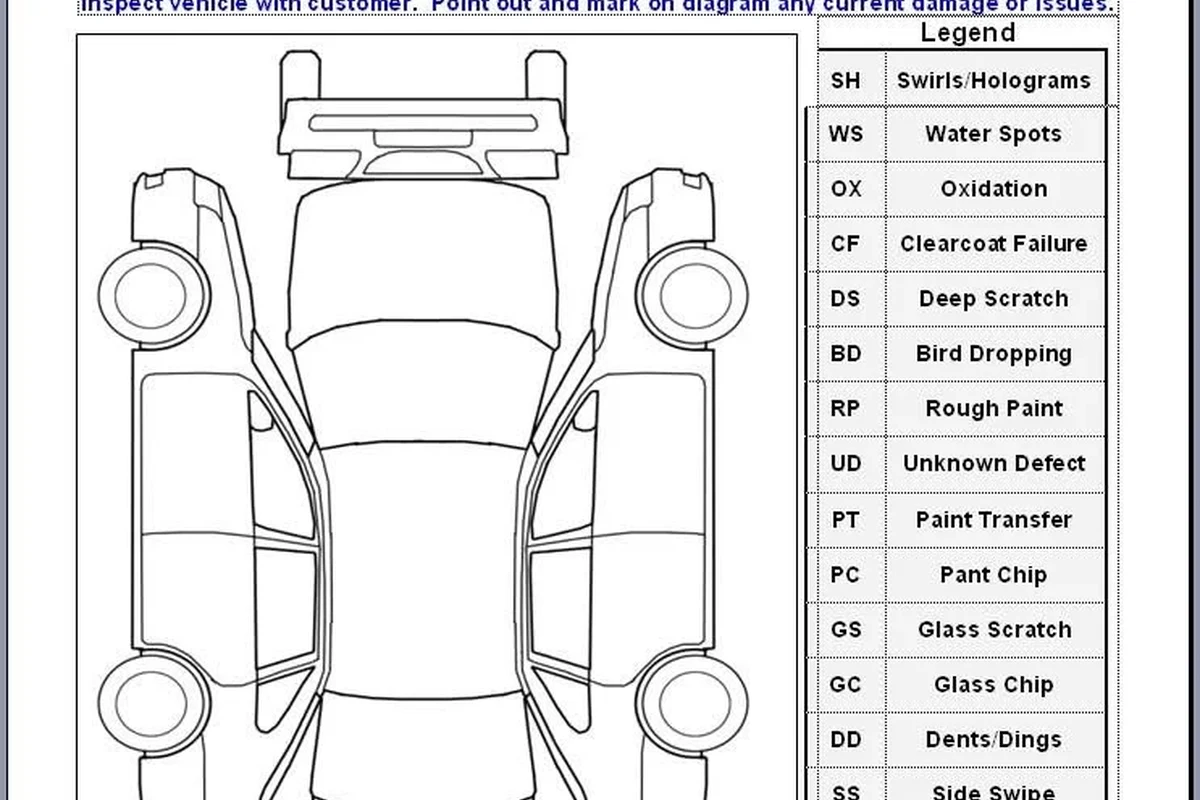
In most cases, a modern jump starter is safe for a standard 12V car battery if you connect it correctly and use the right mode. Damage is more likely from user error, a weak or failing battery, or using a jump starter on a vehicle that is not compatible with the device or the situation.
That matters in rental cars because you are working with a vehicle you do not own, may not know well, and may need to return on time. If anything seems abnormal, it is usually better to document the issue and contact roadside assistance or the rental desk than to keep experimenting.
How Jump Starters Work and When They’re Safe to Use
A jump starter sends a short burst of power to help the starter motor crank the engine. It does not “fix” the battery; it simply helps the car start when the battery is too weak to do the job alone.
Battery chemistry, voltage, and current basics
Most rental cars in the U.S. use a 12V lead-acid battery or a related design such as AGM in some newer vehicles. The key idea is that voltage must match the vehicle system, while current output must be sufficient to start the engine without forcing the battery or electronics beyond normal limits.
A quality jump starter includes protection against reverse polarity, short circuits, and overcurrent. Those safeguards reduce risk, but they do not replace correct use or good judgment if the battery is visibly damaged or the vehicle has other electrical issues.
Vehicle battery design can vary by make, model, trim, and climate package. Always check the owner’s manual or ask the rental company if you are unsure about battery type or jump-start procedure.
Why modern jump starters are usually safer than donor-car jump starts
Portable jump starters are often safer than using another car because they avoid connecting two running vehicles together. That means fewer chances of cable confusion, accidental movement between cars, or electrical spikes from a second vehicle’s alternator.
They are also convenient in airport lots, hotel garages, and roadside pull-offs where finding another car may be difficult. Still, “safer” does not mean risk-free, especially if the battery is near failure or the vehicle has a charging-system warning.
Who This Advice Fits: Rental Cars, Road Trips, and Airport Pickups
This topic matters most for travelers who need a quick, practical fix without turning a trip into a repair delay. Rental-car drivers often have limited tools, limited time, and little familiarity with the vehicle’s electrical system.
Drivers who should be extra cautious with rental vehicles
First-time renters, families with tight airport timing, business travelers on a schedule, and road-trippers far from the pickup location should be especially careful. If you are not sure the car battery is the real problem, repeated jump attempts can waste time and may make a bad situation worse.
Be extra cautious if the car has start-stop technology, a hybrid system, a push-button start setup, or a dashboard full of unfamiliar alerts. These vehicles may have different jump-start procedures than a basic sedan.
When to ask the rental company before using a jump starter
Ask the rental company first if the owner’s manual is missing, the battery is under a cover you are not sure how to open, or the car shows warning lights related to charging, engine, or hybrid systems. You should also call before using a jump starter if the vehicle is parked in a garage, in an airport return lane, or anywhere that could create safety or towing concerns.
Before leaving the airport rental lot, confirm the fuel level, mileage, toll policy, return location, and after-hours return rules.
Rental-Car Compatibility and Policy Limits You Should Check First
Compatibility is not just about battery voltage. It also includes the vehicle’s electronics, the rental company’s rules, and whether roadside assistance is the better first call.
12V systems, start-stop vehicles, hybrids, and EVs
Most portable jump starters are designed for 12V gasoline or diesel vehicles, but not every 12V vehicle should be treated the same way. Start-stop vehicles, some European models, and vehicles with AGM batteries may have specific instructions for jump starting.
Hybrids and EVs are a different category. Some hybrids have a small auxiliary 12V battery that may be jump-started under manufacturer guidance, while the high-voltage system itself is not something a traveler should handle. Fully electric vehicles have their own procedures and should not be treated like a normal gas car unless the manual specifically says otherwise.
Do not modify, unplug, reset, bypass, or tamper with a rental vehicle system without written permission from the rental company.
Warranty, damage liability, and roadside-assistance rules
Rental agreements differ on who handles battery issues, towing, and roadside help. Some companies expect you to call their assistance line first, while others may allow you to use a portable jump starter if you do it safely and report the issue afterward.
If you cause damage by using the wrong equipment or by connecting it incorrectly, you could face charges under the rental agreement. That is why it helps to document the vehicle condition before doing anything and to keep the rental desk or roadside provider in the loop.
Safety Risks and Common Mistakes That Can Harm a Battery
The battery itself is not usually harmed by a correct jump start. Problems usually happen when the battery is already weak, the clamps are used incorrectly, or the driver keeps trying to force a start when the real issue is something else.
Wrong clamps, reversed polarity, and poor connection points
Connecting the clamps to the wrong terminals can cause sparks, blown fuses, or electronic damage. Poor contact at corroded terminals or unstable connection points can also make the jump starter behave unpredictably.
If the battery terminals are dirty, loose, or heavily corroded, do not keep forcing the connection. On a rental car, that is a good moment to pause and contact roadside assistance, especially if you are not sure whether the issue is battery-related or a broader electrical problem.
Over-boosting, repeated attempts, and using the wrong mode
Repeated jump attempts can overheat the starter system, drain the jump starter, and put extra stress on a battery that may already be failing. Using a boost mode that is too aggressive for the vehicle can also create unnecessary risk.
Some jump starters offer special modes for different engine sizes or battery conditions. Read the device instructions before use rather than guessing, because the wrong setting can be more harmful than the low battery itself.
Signs the battery may already be failing, not just discharged
A battery that dies after short stops, struggles repeatedly after a successful jump, smells unusual, looks swollen, or shows visible leakage may be at the end of its life. In that case, the jump starter is only a temporary crutch, not a real solution.
If a warning light appears while driving, pull over safely when appropriate and contact the rental company or roadside assistance.
Practical Step-by-Step Use: What to Do Before and After a Jump Start
Before touching the jump starter, slow down and look at the whole situation. A few minutes of checking can prevent a bigger rental problem later.
Pre-checks: battery condition, cables, and visible damage
Look for cracks, swelling, leaks, heavy corrosion, or loose parts. If you see any of these, stop and get help.
Make sure accessories, lights, and the ignition are off before connecting anything.
Verify the correct mode, clamp order, and any vehicle-type limits before starting.
Starting the car, letting it run, and monitoring warning lights
After a correct connection, try to start the vehicle once. If it starts, let it run long enough to stabilize while you watch the dashboard for battery, charging, engine, or hybrid warnings.
Do not assume one successful start means the issue is solved. If the car stalls again, starts slowly, or shows new warnings, the charging system may need professional attention.
When to stop and contact roadside assistance or the rental desk
Stop immediately if the jump starter gets hot, the clamps spark heavily, the battery swells, or the car still will not start after a reasonable attempt. Also stop if the vehicle is in a place where working around it is unsafe, such as a busy lane or a dim parking structure.
- Verify compatibility, policy, vehicle condition, return rules, and travel needs.
- Keep receipts, photos, rental agreement details, and emergency contact information accessible.
How to Choose a Jump Starter for Travel and Rental-Car Use
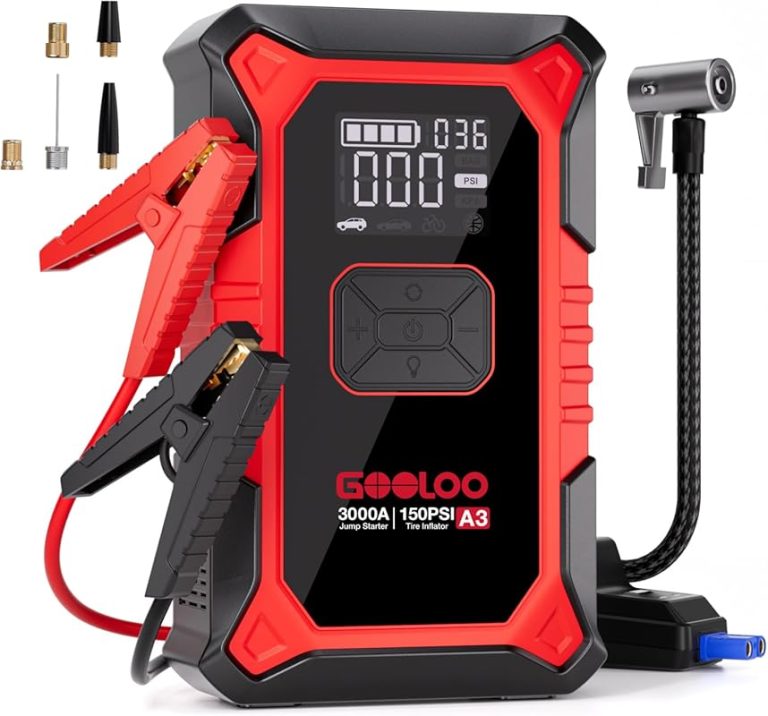
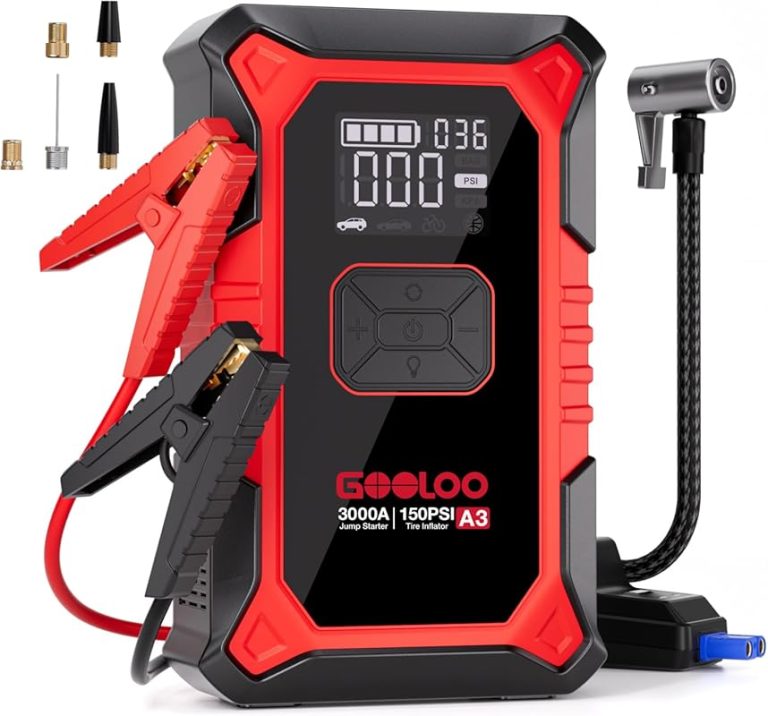
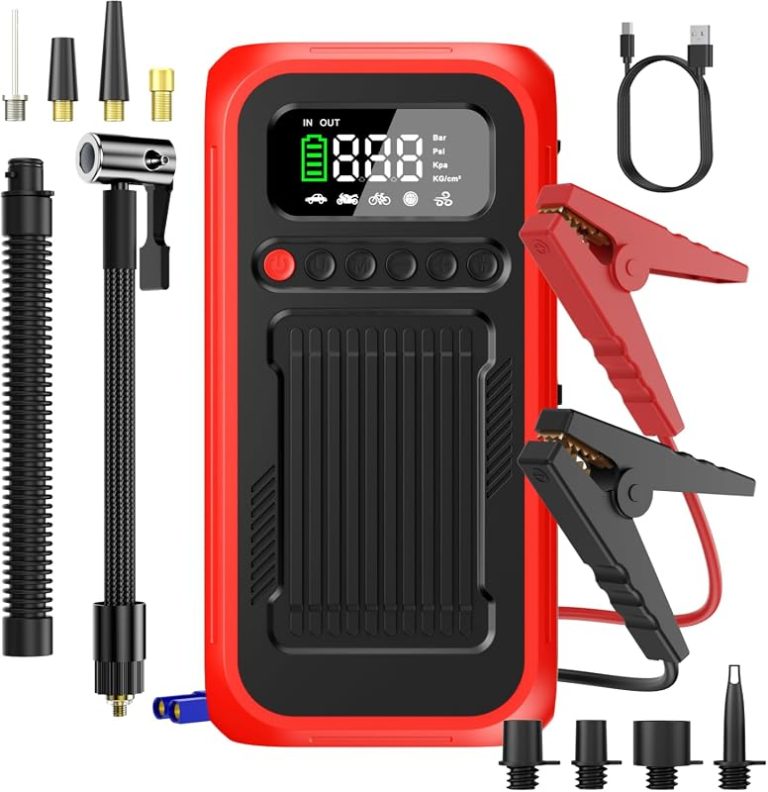
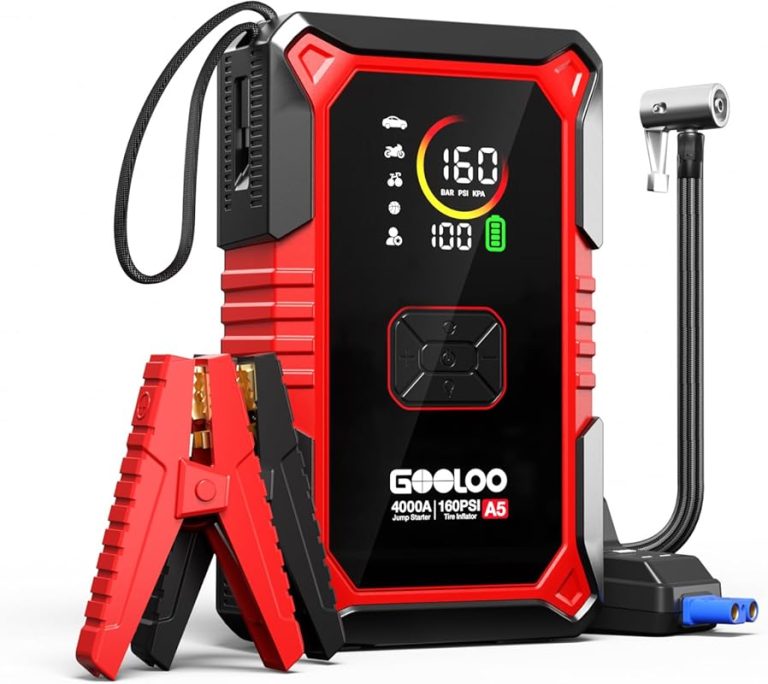
If you want a jump starter for travel, focus on safety, portability, and compatibility rather than chasing the biggest number on the box. A good travel unit should be easy to store, easy to understand, and appropriate for the vehicles you are likely to rent.
Key buying criteria: peak amps, safety protections, and size
Look for clear compatibility with 12V vehicles, reverse-polarity protection, short-circuit protection, and straightforward instructions. Peak amps matter, but the right amount depends on the engine size and the vehicle type, so bigger is not automatically better.
Road-trip and airport-friendly features: USB power, storage, and portability
For rental use, compact size is a real advantage because you may need to pack it in a carry-on-adjacent travel bag, trunk organizer, or road-trip kit. USB charging can also be useful if you want one device to help with both battery emergencies and phone power.
- Phone mount
- USB car charger
- Tire inflator
- Flashlight
- Basic emergency kit
Storage matters too. A jump starter that is hard to pack, easy to misplace, or awkward to charge before a trip is less useful than a smaller unit you will actually keep ready.
What to avoid in cheap or oversized jump starter packs
Avoid products with vague instructions, missing safety protections, or unclear vehicle compatibility. Oversized units can be bulky for travelers, while underbuilt units may not deliver enough power for larger engines or cold-weather starts.
Also be careful with bundles that add many extras but do not clearly explain the jump starter’s core function. For rental-car use, the basics matter more than flashy accessories.
- Portable backup for travel delays
- Can reduce dependence on another car
- Useful in airports, hotels, and road trips
- Not a fix for a bad battery or charging system
- Compatibility and instructions vary by vehicle
- Wrong use can create electrical or liability issues
Final Recommendation: Best Practices to Protect the Battery and the Rental
A jump starter is a smart backup for many travelers, but only when the vehicle is compatible, the battery is not visibly damaged, and the rental company’s rules allow you to use it. If the car is showing serious electrical symptoms, repeated no-starts, or any sign of battery damage, roadside assistance is the safer choice.
When a jump starter is a smart backup and when it is not
It makes sense as a backup for a standard 12V rental car with a weak battery and no obvious damage. It is not the right tool if the vehicle is a hybrid or EV with special instructions, if the battery is leaking or swollen, or if you are unsure which system is failing.
What to document and report before returning the vehicle
Take photos of the dashboard warnings, battery area if safe to access, and any visible issues. Save the time, location, and a short note about what happened, then report it to the rental company before return so there is a clear record of the problem and your response.
- Correctly used jump starters usually do not damage a healthy battery.
- Compatibility, polarity, and battery condition matter more than brand hype.
- Rental drivers should check policy, document issues, and stop if the battery looks damaged.
Frequently Asked Questions
Usually no. A properly used jump starter is designed to help a 12V battery start the car without harming it, but a failing battery or wrong connection can still cause problems.
Often yes, but only if the rental company allows it and the vehicle is compatible. Check the agreement and the owner’s manual before using one.
Check for battery damage, confirm the vehicle type, and review the jump starter instructions. If you see swelling, leakage, or warning lights, contact roadside assistance first.
It can if used incorrectly or on the wrong system. Hybrids and EVs may have special procedures, so follow the manual and contact the rental company if you are unsure.
Reversed polarity, poor clamp contact, repeated failed starts, and using the wrong mode are common mistakes. These can stress the battery and the vehicle’s electronics.
Let the car run and watch for warning lights or repeat starting issues. Document the problem and report it to the rental company before returning the vehicle.