Are Lithium Jump Starters Safe?
Yes, lithium jump starters are generally safe when they match the vehicle, are used correctly, and the battery is not damaged. For rental cars, the safest choice is to check the agreement and call the rental company if anything about the situation feels unclear.
Lithium jump starters are generally safe when used correctly, but they are only as safe as the battery condition, vehicle compatibility, and connection steps you follow. For rental-car drivers, the biggest risks are using the wrong device, connecting it incorrectly, or trying to solve a problem that is actually a larger vehicle issue.
- Compatibility matters: Most are meant for 12V vehicles, not every hybrid or EV setup.
- Policy comes first: Rental agreements may limit outside assistance or battery access.
- Connection errors are the main risk: Reverse polarity and poor clamp contact can cause trouble.
- Damage changes the decision: Swelling, heat, leaks, or warning lights mean stop and call for help.
- Backup, not repair: A jump starter is useful for simple no-start situations, not deeper electrical problems.
Are Lithium Jump Starters Safe? Short Answer for Rental Drivers
Yes, a lithium jump starter can be safe for rental-car travelers if it is compatible with the vehicle, the clamps are attached correctly, and the device is in good condition. The safer choice is to treat it as an emergency backup, not a substitute for the rental company, roadside assistance, or the vehicle manual.
How Lithium Jump Starters Work and Why They’re Popular in 2025
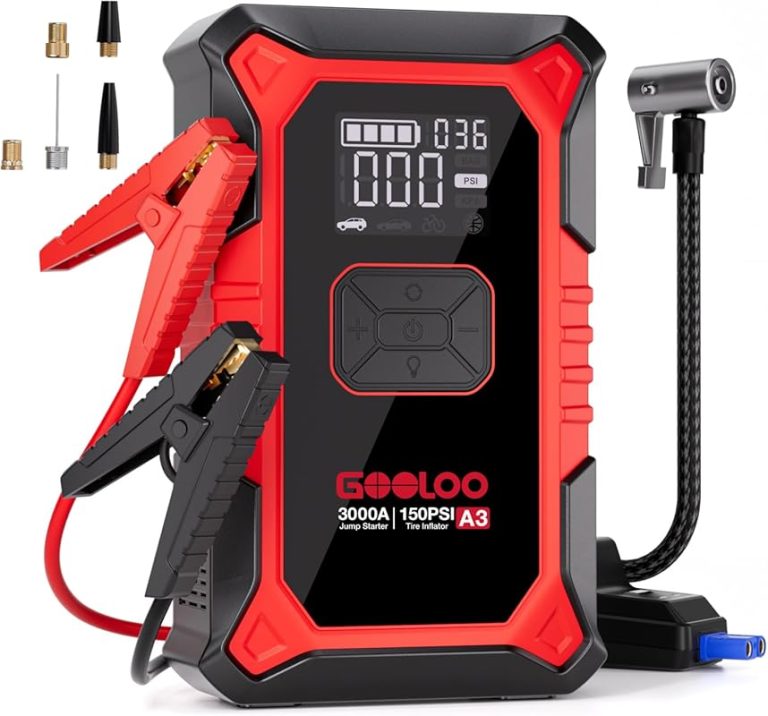
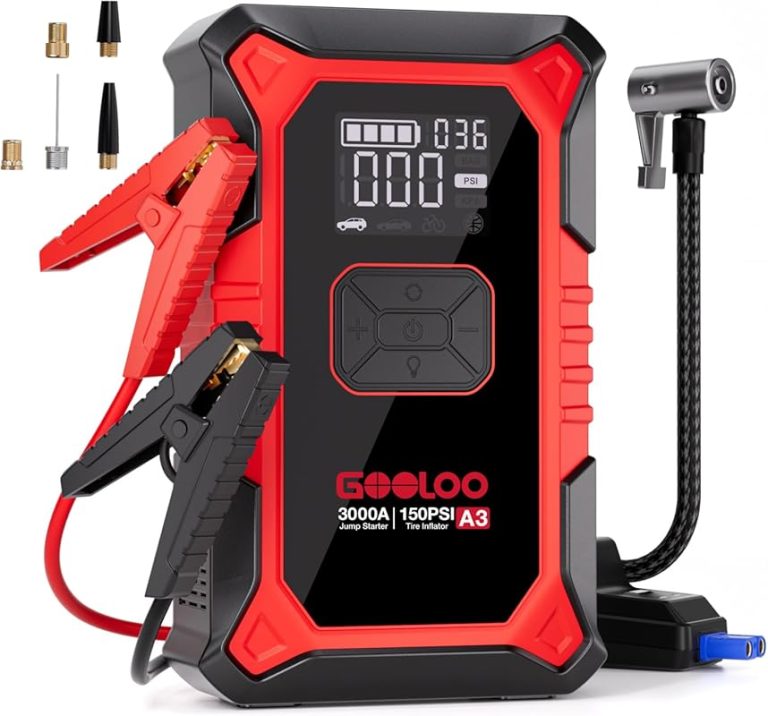
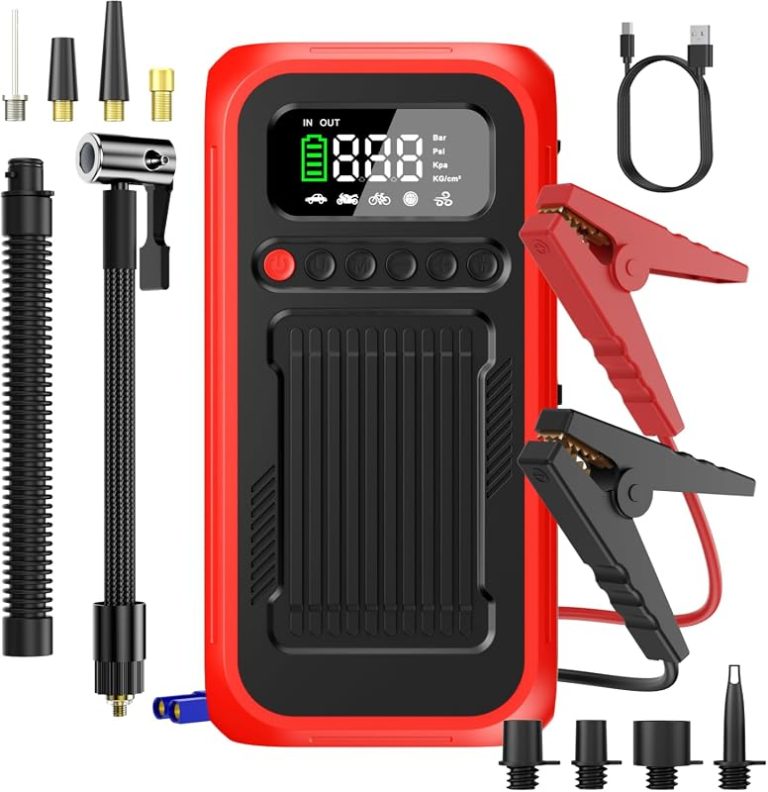
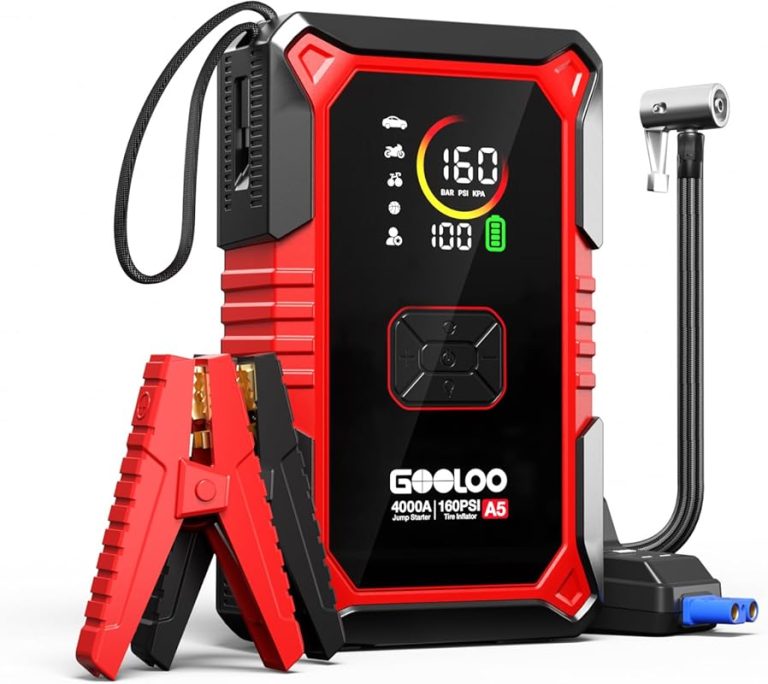
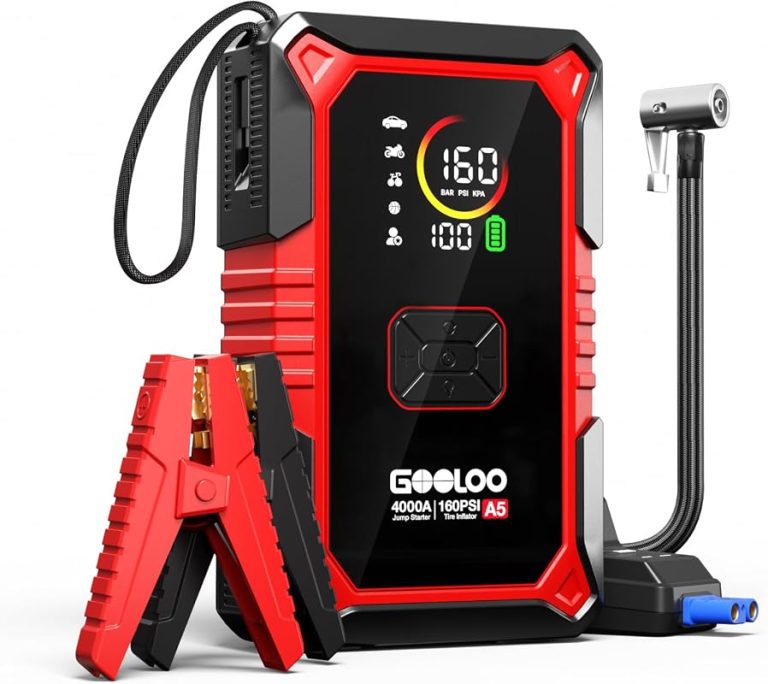
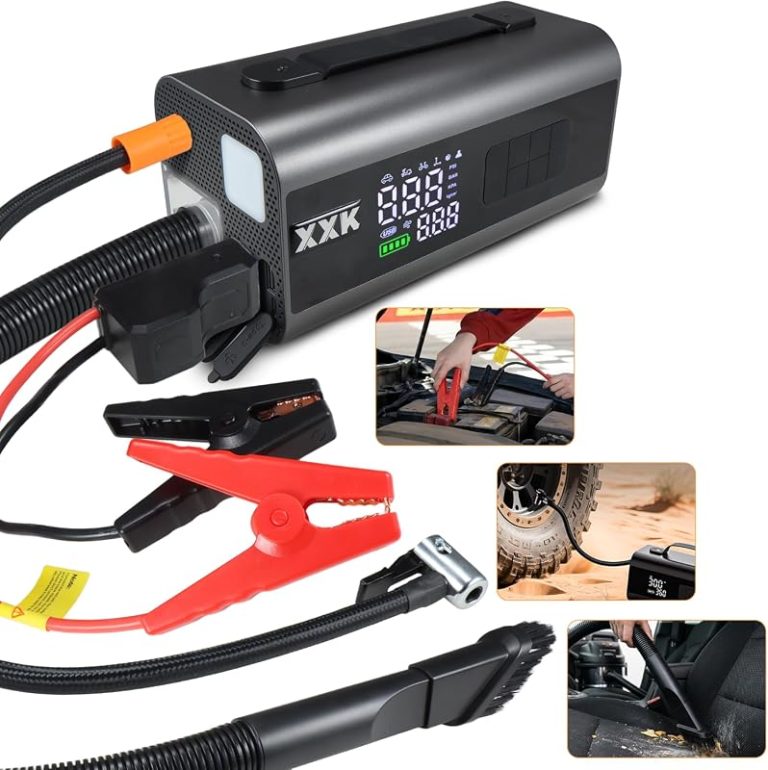
Lithium jump starters are compact battery packs designed to deliver a short burst of power to start a vehicle with a weak 12V battery. They are popular because they are portable, recharge through USB or wall power, and usually fit in a glove box, backpack, or road-trip kit without the bulk of older lead-acid units.
For travelers, that portability matters. Airport renters, families on weekend trips, and business travelers often want a backup that is easier to store than a traditional jump box and faster to use than waiting for help in an unfamiliar parking lot.
Who Should Use One: Rental-Car Travelers, Road-Trippers, and Occasional Drivers
A lithium jump starter makes the most sense for drivers who want a compact emergency tool and are comfortable following instructions carefully. It is especially useful when you may be far from home, parked at an airport lot, or traveling through areas where immediate roadside help may take time.
When a compact jump starter makes sense
It can be a smart choice if you rent cars often, take long drives, or keep a basic emergency kit in the trunk. It also makes sense if you want a backup for low-risk situations such as an interior light left on, a battery that has weakened with age, or a rental that sits unused for a while during a trip.
- Phone mount
- USB car charger
- Tire inflator
- Flashlight
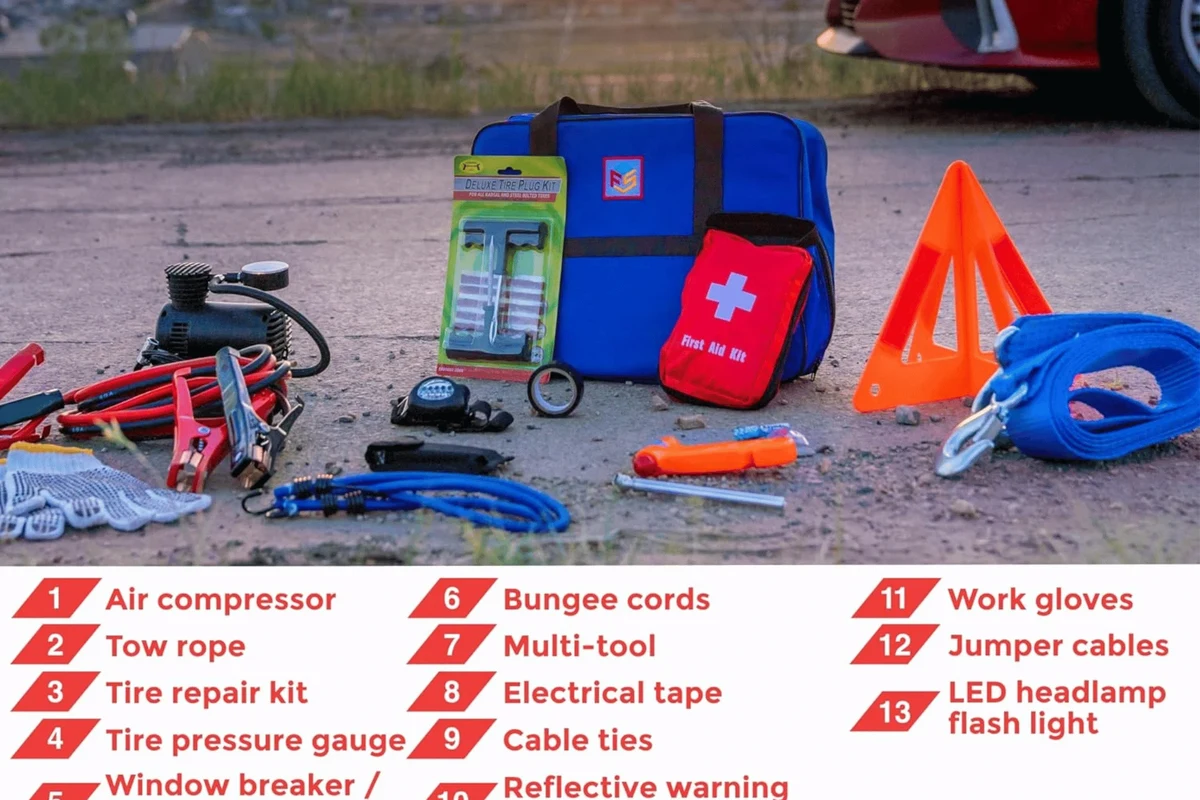
- Basic emergency kit
When roadside assistance may be the better choice
If you are unsure why the car will not start, roadside assistance is usually the safer first call. That is especially true if the rental has warning lights, strange electrical behavior, a damaged battery area, or any sign the issue is more than a simple low charge.
Rental-Car Rules, Liability, and Policy Limits You Need to Check First
Rental agreements vary, and some companies may have rules about outside assistance, towing, or user actions around the battery and electrical system. Before you use any jump starter, check the rental contract, the vehicle folder, and the company’s roadside instructions so you do not create a policy problem on top of a mechanical one.
Do not modify, unplug, reset, bypass, or tamper with a rental vehicle system without written permission from the rental company.
What rental agreements usually allow or restrict
Many agreements allow reasonable emergency use of basic accessories, but the details vary by company and location. Some may want you to call their roadside partner first, use only approved jump procedures, or avoid any action that could be considered tampering if the battery is hard to access.
Why you should not tamper with the vehicle’s electrical system
Rental vehicles can have sensitive electronics, battery management systems, and safety features that are easy to disturb if you start removing covers or disconnecting parts. If the battery is hidden, the terminals are unclear, or the vehicle has a hybrid or advanced electrical setup, stop and contact the rental company instead of improvising.
Vehicle Compatibility and Safety Basics Before You Connect Anything
Compatibility is the first safety check. A lithium jump starter is designed for certain 12V vehicles, but not every vehicle, battery layout, or powertrain is a good match, and guessing can damage electronics or create a safety hazard.
12V gas, diesel, hybrid, and EV differences
Most standard gas cars and many light-duty diesel vehicles have a 12V battery system that may work with a jump starter if the device is rated for that application. Hybrids can be more complicated because they often have a separate 12V battery and high-voltage systems, while full EVs are a different category entirely and should be handled according to the owner manual and rental instructions.
Battery location, polarity, and clamp placement
Before connecting anything, locate the battery and identify the positive and negative terminals exactly as marked. Clamp placement must be secure and correct, because loose contact or reversed polarity can prevent starting and may damage the vehicle or the jump starter.
If you cannot clearly identify the battery terminals or the vehicle uses a remote jump point, stop and consult the owner manual or rental company before attaching the clamps.
Signs the problem may not be a dead battery
If the car clicks repeatedly, shows multiple warning lights, smells burnt, has visible corrosion, or powers on and off unpredictably, the issue may be more than a weak battery. In that case, using a jump starter may not solve the problem and could delay the right fix.
Common Mistakes That Can Make Lithium Jump Starters Unsafe
Most jump starter problems come from user error, not the device itself. The most common mistakes are simple but serious: reversed clamps, poor contact, using the wrong unit for the vehicle, or trying to jump a battery that is physically damaged.
Reverse polarity and poor clamp contact
Reverse polarity means the clamps are attached to the wrong terminals, which can trigger protection features or cause damage if the device lacks adequate safeguards. Poor contact is almost as risky because it can create sparking, repeated failed attempts, and confusion about whether the battery or the jump starter is the real problem.
Using the wrong device for the vehicle
A small jump starter may be fine for many compact cars, but not every unit has enough output for larger engines or certain diesel applications. Always match the device to the vehicle type in the manual or product instructions, and do not assume any lithium pack will work on every rental.
Ignoring swelling, heat, damaged cables, or low battery status
If the jump starter case is swollen, hot, cracked, leaking, or has damaged cables, do not use it. A nearly empty jump starter can also fail at the worst time, so it should be charged before travel and checked periodically if you keep it in a carry-on, trunk, or glove box.
- Inspect the jump starter case, cable insulation, and charge level before a trip.
- Use only with a clearly compatible 12V vehicle and clean terminal contact.
- Do not use a damaged, swollen, or overheated battery pack.
- Do not guess at clamp placement or force a fit on unfamiliar battery hardware.
How to Use a Lithium Jump Starter Safely in a Rental Car
The safest approach is calm, slow, and checklist-driven. Keep the engine off, read the device instructions, and make sure you are parked in a safe, ventilated, traffic-free area before you begin.
Pre-checks: battery condition, weather, and surroundings
Look for obvious battery damage, fluid leaks, or unusual smells before touching the terminals. Weather matters too: rain, standing water, and extreme cold can make roadside work more difficult, so if conditions are poor, waiting for assistance may be the better move.
- Verify compatibility, policy, vehicle condition, return rules, and travel needs.
- Keep receipts, photos, rental agreement details, and emergency contact information accessible.
Step-by-step connection and start attempt basics
Turn off the ignition, remove accessories, and confirm the battery area is dry, stable, and accessible.
Attach the clamps exactly as directed by the jump starter and vehicle instructions, making sure the contact is firm.
Attempt a normal start for the recommended time, then stop and reassess rather than repeatedly cranking the engine.
What to do after the engine starts
Once the engine starts, disconnect the jump starter in the order recommended by the manufacturer and keep the car running as instructed. If the vehicle stalls again, struggles to idle, or shows a dashboard alert, contact the rental company or roadside assistance instead of assuming the battery issue is solved.
If a warning light appears while driving, pull over safely when appropriate and contact the rental company or roadside assistance.
What to Look for When Buying or Packing One for Travel
For rental-car use, the best jump starter is usually the one that is easy to store, simple to operate, and clearly matched to the vehicles you are likely to drive. A complicated device is less useful in a parking lot than one with clear indicators and reliable clamps.
Safety features, peak amps, and build quality
Look for reverse-polarity protection, short-circuit protection, overcurrent protection, and clear status lights or audible alerts. Peak amps matter, but they should be viewed alongside the vehicle size, the manufacturer’s claims, and the overall quality of the cables and clamps rather than as a standalone promise.
Compact storage, USB charging, and emergency visibility features
Travel-friendly units often charge by USB and store neatly in a center console, backpack, or trunk organizer. Some also include a flashlight or emergency light, which can help during night pickups, hotel parking lots, or roadside stops where visibility is limited.
Charging cable
Owner manual or rental guide
Flashlight
Best fit for airport pickups, weekend trips, and long road trips
Airport pickups benefit from compact gear that is easy to pack and quick to access if the rental battery is weak. Weekend trips and long road trips may justify a slightly larger unit with better battery reserve, but only if you have a secure place to store it and a clear reason to carry it.
For rental-car travelers, the best accessory is the one that solves a likely problem without creating a policy or safety issue at pickup, during the trip, or at return.
Final Recommendation: Safe Use, Smart Backup Planning, and When to Call the Rental Company
Lithium jump starters are safe for many travelers when used carefully, but they are not the right answer for every no-start situation. If the battery is visibly damaged, the vehicle is a hybrid or EV with unclear jump points, or you are unsure about the rental rules, call the rental company or roadside assistance first.
When to stop and request assistance instead of using the jump starter
Stop and ask for help if you see smoke, smell burning, notice battery swelling, cannot identify the terminals, or have repeated failed start attempts. It is also wise to stop if the vehicle has multiple electrical warnings or if the rental desk instructed you not to touch the battery area.
Practical takeaway for GiraffeCarRentals readers
For most rental drivers, a lithium jump starter is a useful backup accessory, not a repair tool. The safest plan is to carry one only if it fits your travel style, keep it charged, know the rental policy, and use it only when the vehicle and situation clearly call for it.
A lithium jump starter is usually safe for rental-car travelers who follow the instructions, check compatibility, and avoid tampering with the vehicle. If the situation looks unclear or risky, the better move is to contact the rental company or roadside assistance and let them handle it.
Frequently Asked Questions
They can be safe when the device is compatible, the clamps are attached correctly, and the jump starter is in good condition. Check the rental agreement and vehicle manual first because policies and battery layouts vary.
Confirm the car is a 12V vehicle, find the correct battery terminals, and look for damage, heat, swelling, or warning lights. If anything seems unclear, contact the rental company or roadside assistance instead of guessing.
It can if it is used incorrectly, connected in reverse, or applied to the wrong vehicle type. Poor clamp contact or tampering with the electrical system can also create problems.
Take photos of dashboard warnings, the battery area if accessible, and any visible damage or fluid leaks. Keep your rental agreement, roadside notes, and any instructions from the rental company.
If the issue is clearly a weak 12V battery and the vehicle manual supports jump-starting, a jump starter may be reasonable. If there are warning lights, hybrid or EV uncertainty, or signs of damage, call the rental company first.
Stop after one or two careful attempts and avoid repeated cranking. The problem may be more than a dead battery, so contact roadside assistance or the rental company for next steps.