How to Charge a Portable Jump Starter
Charge a portable jump starter with the exact cable and power source listed in the manual, then confirm it reaches full charge before travel. For rental-car trips, keep it protected, temperature-safe, and ready to use before you ever need roadside help.
If you want the short answer: charge a portable jump starter with the method recommended by its manufacturer, usually USB-C, a wall adapter, or a 12V car charger, and do it before you need it. For rental-car travelers, the safest approach is to keep it topped off, stored properly, and checked against the rental agreement and your vehicle’s power setup.
- Use the manual: USB-C, wall, and 12V charging are not interchangeable unless the manufacturer says they are.
- Charge early: The best time to recharge is before a trip, not after the rental car.
- Watch the display: Indicator lights and battery bars vary by model, so confirm the full-charge signal in.
- Protect the unit: Heat, cold, and loose storage can shorten battery life and create avoidable risk.
- Know when to call: If the car has warning lights or the problem is unclear, contact the rental.
How to Charge a Portable Jump Starter: Quick Answer for Rental-Car Drivers
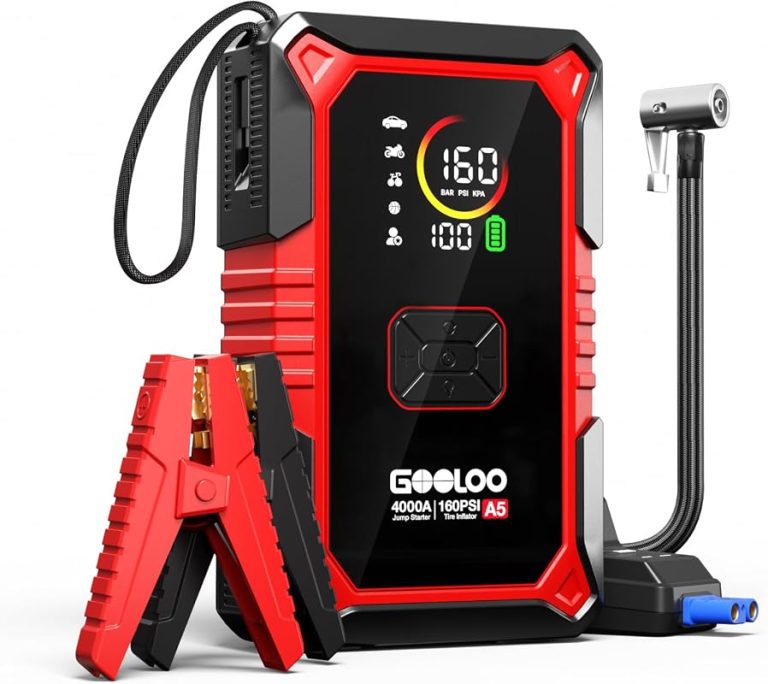
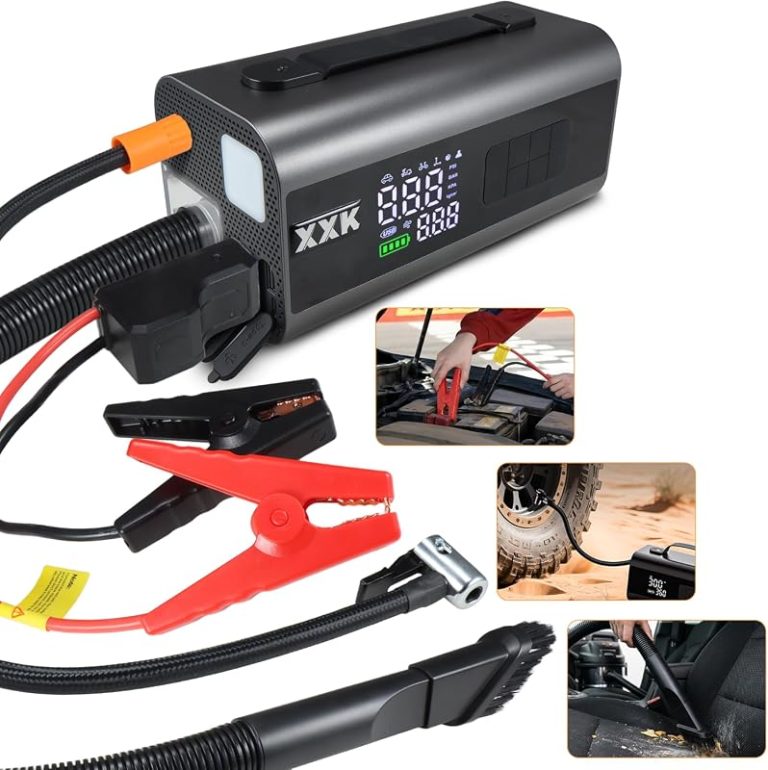
A portable jump starter is usually charged from a wall outlet, USB-C port, or 12V vehicle socket, depending on the model. The best method is the one listed in the owner manual, because charging speed, cable type, and indicator behavior can vary a lot.
Who This Guide Is For in 2025: Road-Trip Travelers, Airport Renters, and Everyday Drivers
This guide is for travelers who keep a jump starter in a suitcase, carry-on, glove box, or trunk and want a simple charging routine that fits real travel life. It also helps first-time renters who are not sure whether to use the rental car’s 12V outlet, a hotel outlet, or a power bank.
It is especially useful if you rent often at airports, drive long distances between cities, or rely on a compact emergency kit for family trips and business travel. The goal is not just to charge the device, but to charge it safely and keep it ready when the rental battery, weather, or parking situation catches you off guard.
For rental-car travelers, a jump starter is only helpful if it is charged, compatible, and easy to reach when the car will not start.
Before You Charge It: Rental-Car Policy, Safety Limits, and Battery Compatibility
Before plugging anything in, check the jump starter manual and the rental agreement. Some rental companies allow normal accessory use, but they may restrict modifications, electrical troubleshooting, or any action that could damage the vehicle’s battery or electronics.
What rental agreements may allow or restrict
Most rental agreements do not ban carrying a portable jump starter, but the exact language varies by company and location. If the car has an issue, the rental company may want you to call roadside assistance rather than attempt repeated jump-starts on your own.
Do not modify, unplug, reset, bypass, or tamper with a rental vehicle system without written permission from the rental company.
If you are unsure whether the battery problem is minor, ask the rental desk or roadside line before you try to diagnose it. That is especially important if you see warning lights, smell something unusual, or notice the battery is swollen, leaking, or physically damaged.
Checking 12V compatibility and avoiding damage to the jump starter
Portable jump starters are not all built the same. Some are designed for gasoline engines only, some support larger engines, and some are better suited to compact cars than SUVs or trucks, so check the rated engine size and voltage before use.
When charging the jump starter itself, use the input method listed by the manufacturer. A USB-C port does not always mean any USB-C charger will work equally well, and some units need a specific wattage or charging profile to charge correctly.
Only charge and store the device within the temperature range listed by the manufacturer. Extreme heat or cold can slow charging, shorten battery life, or create a safety risk.
When to contact the rental company instead of troubleshooting yourself
Call the rental company if the car will not start and you are not sure whether the issue is the battery, the starter, the key fob, or a deeper vehicle problem. If the jump starter itself will not charge, gets unusually hot, or shows a fault light, stop using it and check the manual or manufacturer support.
In a rental, the safest rule is simple: if the problem could affect the vehicle, the battery system, or your return liability, document it and contact the rental company first.
How Portable Jump Starters Charge: USB-C, Wall Adapters, 12V Car Charging, and Power Banks
Most portable jump starters charge in one of four ways: USB-C, a dedicated wall adapter, a 12V car charger, or a power bank that supports the correct input. The exact method depends on the model, and the charging time can vary based on battery size, input wattage, and how depleted the unit is.
Which charging method works fastest and when to use it
In many cases, a wall charger or USB-C PD charger is the fastest option, if the unit supports it. A 12V car charger is usually slower, but it can be useful on a road trip when you are moving between stops and do not have access to a wall outlet.
A power bank can work only if the jump starter accepts that type of input and the bank can supply enough power. If the manual does not explicitly support it, do not assume it is safe or efficient.
How to read the indicator lights and battery level display
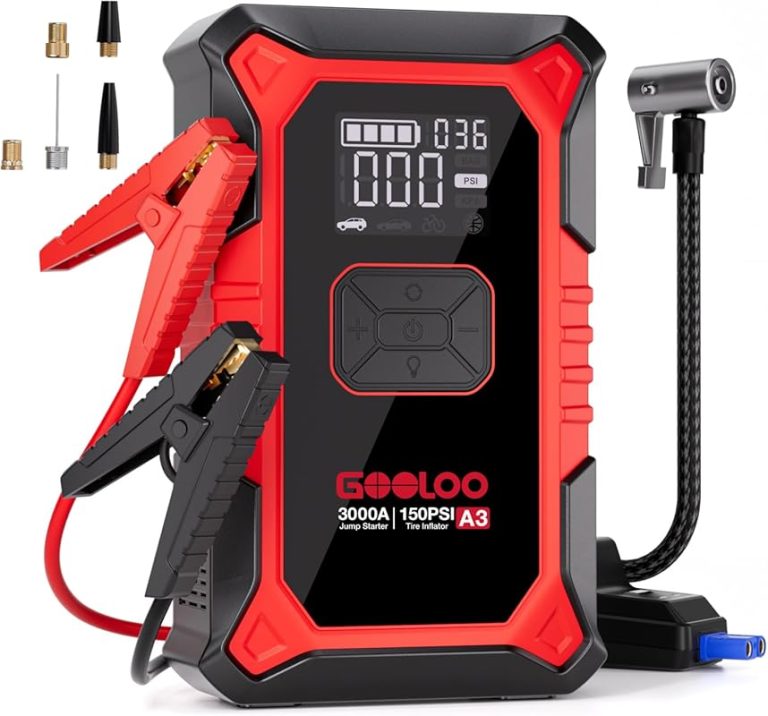
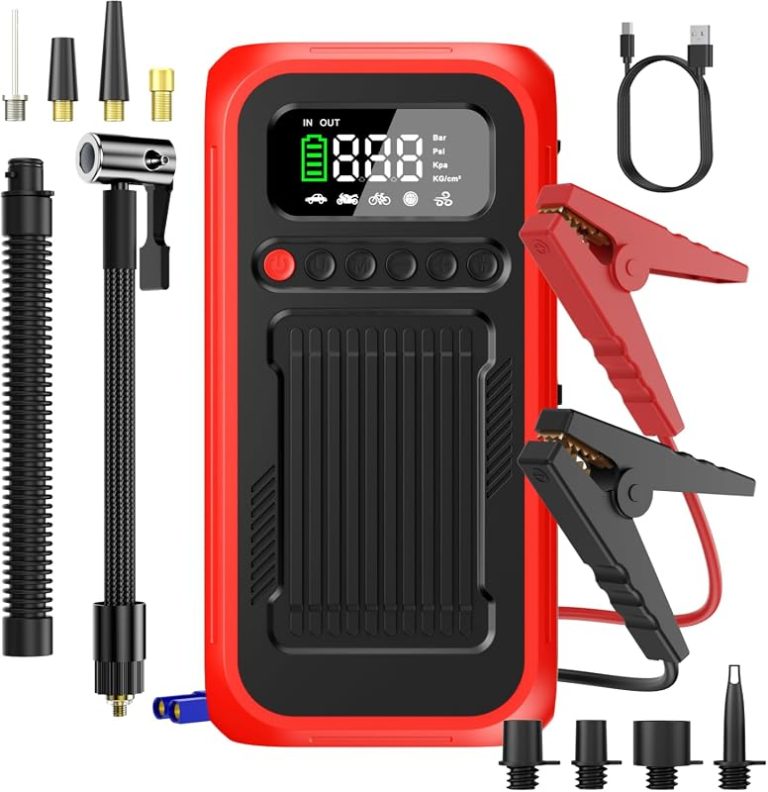
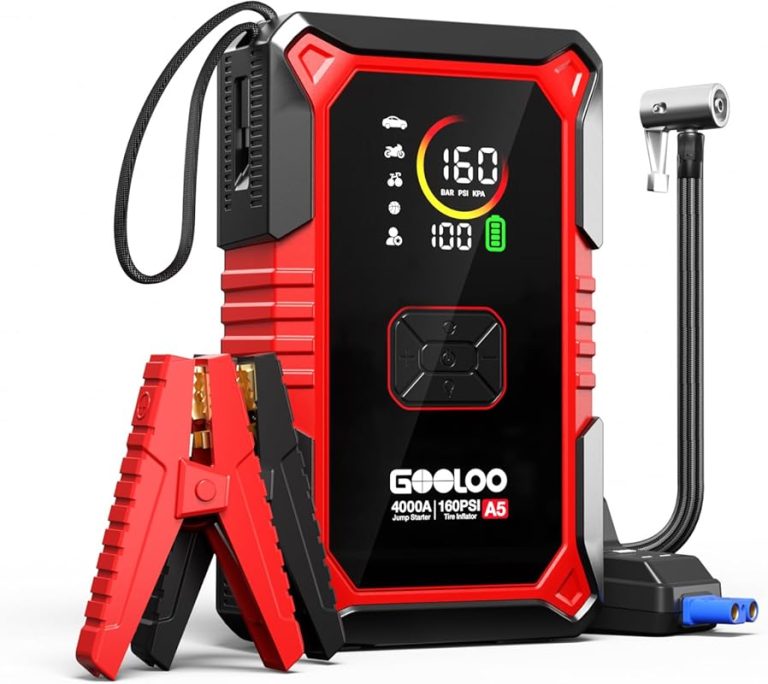
Most jump starters use LEDs, bars, or a percentage display to show charging progress. Some blink while charging and turn solid when full, while others may show separate icons for charging, charged, or fault status.
Indicator behavior varies by brand and model, so the manual is the best reference for what each light means and how long a full charge should take.
If the display jumps around, never reaches full, or shows an error, unplug the unit and inspect the cable, adapter, and charging port for debris or damage before trying again.
Step-by-Step: How to Charge a Portable Jump Starter Safely
A safe charging routine is simple: use the right source, keep the unit in a stable place, watch for heat, and confirm a full charge before storing it. The steps below work well for travel prep, hotel stops, and rental-car packing.
Top it off at home or at the hotel so you are not depending on a nearly empty battery when the rental car will not start.
Match the input type and wattage to the manufacturer’s instructions, and avoid random cords that fit physically but are not rated correctly.
Place the unit on a hard, dry surface and stop if it becomes unusually hot, smells odd, or charges far outside the expected time window.
Keep it in a protective case or pouch, away from loose metal objects, direct sunlight, and anything that could press the buttons in transit.
- Verify compatibility, policy, vehicle condition, return rules, and travel needs.
- Keep receipts, photos, rental agreement details, and emergency contact information accessible.
Charge the unit before a trip, not after an emergency
Battery devices are easiest to manage when they are part of your pre-trip routine. If you rent often, make “charge jump starter” a packing task, right next to checking your charger, phone mount, and toll setup.
- Phone mount
- USB car charger
- Tire inflator
- Flashlight
- Basic emergency kit
Use the correct cable, adapter, and power source
The most common charging mistake is assuming any cable will do. Use the cable that came with the unit or a replacement specifically approved by the manufacturer, and choose a wall adapter or vehicle charger that matches the input requirements.
If you are charging in a rental car, remember that the car’s outlet may stop working when the ignition is off or when the system times out. That is normal in many vehicles, but it means the car may not be a reliable overnight charging source.
Monitor heat, charging time, and full-charge confirmation
Charging should be steady, not dramatic. If the unit gets hot enough that it is uncomfortable to hold, stop charging and let it cool in a safe place before checking the cable and power source.
If a warning light appears while driving, pull over safely when appropriate and contact the rental company or roadside assistance.
Store it properly once charged
After charging, place the jump starter where it will not rattle around with keys, coins, or tools. A padded pocket or case helps protect the ports and prevents accidental button presses that can drain the battery before your next trip.
Common Mistakes to Avoid When Charging and Storing a Jump Starter
Most jump starter problems come from neglect, the wrong charger, or poor storage. Avoiding those mistakes matters more than chasing the fastest possible charging speed.
Leaving it fully drained for too long
Letting a lithium jump starter sit empty for months can reduce performance and sometimes prevent normal charging later. If you store one in a trunk or garage, check it periodically and top it off based on the manufacturer’s maintenance guidance.
Using damaged cables or the wrong charger
A frayed cable, loose connector, or underpowered charger can cause slow charging or intermittent faults. If a cable looks worn or the plug does not fit securely, replace it rather than forcing it.
Ignoring temperature limits in hot or cold weather
Heat is a common issue in parked cars, especially in summer airport lots. Cold weather can also reduce performance, so do not assume a jump starter that worked in mild conditions will behave the same way in freezing temperatures.
Storing it loose in the trunk without protection
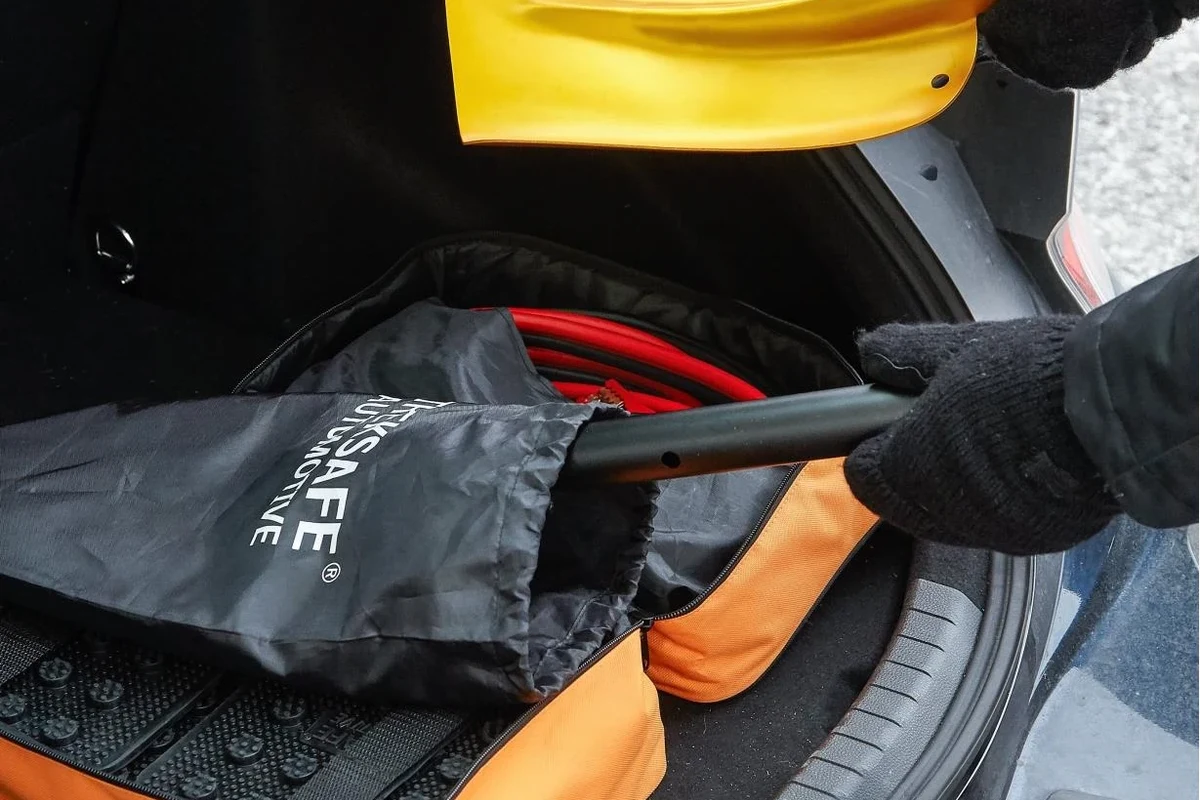
A loose unit can slide, get crushed by luggage, or have its ports damaged by other items. A case or small organizer is a better fit for rental travel, especially when you are moving between airport shuttles, hotel rooms, and different cars.
How to Choose a Portable Jump Starter for Rental-Car and Travel Use
If you are buying one for rental travel, think about portability first and raw power second. The best choice is compact enough to pack, simple enough to use quickly, and compatible with the kinds of vehicles you actually rent.
Size, weight, and compact storage for carry-on or trunk space
Travelers usually need something that fits in a backpack, carry-on, or small trunk organizer. A smaller unit is easier to keep charged and easier to grab quickly if the rental car battery is weak in a parking lot or hotel garage.
USB power output, flashlight features, and emergency visibility
Many jump starters double as USB power banks, which can be useful for phones, tablets, and navigation devices. A built-in flashlight can also help at night when you are checking cables, reading the rental lot, or looking for the battery compartment.
Why clamp quality, battery capacity, and safety protections matter
Good clamps and clear polarity protection are important because rental travelers may need to use the unit under pressure and in poor light. Capacity matters too, but bigger is not always better if the device becomes too heavy or bulky to pack consistently.
- Useful backup for dead-battery situations
- Can charge phones and accessories in a pinch
- Fits well in a small travel kit
- Must be maintained and recharged regularly
- Not all models fit all engine sizes
- Some units are too bulky for carry-on style packing
Compatibility with rental vehicles, SUVs, and travel conditions
Always match the unit to the type of vehicle you are likely to rent. A compact sedan, midsize SUV, and full-size SUV may have different starting needs, and cold weather or mountain travel can increase demand on the battery.
Because vehicle size, engine type, and climate all matter, it is smart to choose a model with a little headroom rather than one that only barely matches your expected use.
Practical Recommendation: What Alex Carter Recommends Before Every Trip
Alex Carter’s practical recommendation is simple: charge the jump starter the day before travel, confirm the indicator shows full, and keep it in an easy-to-reach case with the correct cable. For airport rentals, that small routine prevents a lot of stress later, especially when you land late, pick up a car after hours, or discover the battery is weaker than expected.
Best pre-trip charging routine for airport pickups and long drives
Before leaving home, plug in the jump starter, verify the charge level, and pack it with your phone charger, flashlight, and rental paperwork. If you are staying in a hotel before pickup, use that overnight stop to top it off again so it is ready for the return drive too.
Before leaving the airport rental lot, confirm the fuel level, mileage, toll policy, return location, and after-hours return rules.
When a portable jump starter is enough and when roadside assistance is the better call
A portable jump starter is enough for a simple dead-battery situation when you understand the car, the unit is charged, and there are no signs of deeper electrical trouble. Roadside assistance is the better call if the battery problem keeps returning, the vehicle shows warning lights, or you are unsure whether starting the car yourself could make things worse.
That balance matters for rental cars because you are responsible for using the vehicle safely, but the rental company is still the right contact when the issue involves the car’s condition or a possible defect.
- Charge the jump starter with the exact method the manual recommends.
- Keep it topped off, protected, and easy to reach during travel.
- Call the rental company when the vehicle problem is unclear or more serious than a simple dead battery.
Frequently Asked Questions
Use the charging method listed in the owner manual, such as USB-C, a wall adapter, or a 12V car charger. Match the cable and power source to the unit’s input requirements and confirm the battery shows a full charge before storing it.
Sometimes, if the jump starter supports 12V charging and the rental car’s outlet stays powered. Many vehicles shut off accessory power when the ignition is off, so a wall outlet is often more reliable for a full recharge.
Check the indicator lights or display on the unit, since each model uses different signals. The manual should explain whether a solid light, full bars, or a percentage reading means the battery is ready.
Take photos of the dashboard, warning lights, mileage, fuel level, and any visible battery or vehicle issues if it is safe to do so. Then contact the rental company or roadside assistance before trying repeated troubleshooting.
Avoid damaged cables, the wrong charger, extreme temperatures, and leaving the unit fully drained for long periods. Also avoid modifying or tampering with the rental vehicle while trying to diagnose a starting problem.
Call roadside assistance if the vehicle shows warning lights, the battery issue keeps returning, or you are unsure whether the problem is safe to handle yourself. In a rental, the company should guide you when the issue may affect liability or vehicle condition.