How to Use a Portable Jump Starter
Use a portable jump starter by confirming compatibility, connecting the clamps correctly, starting the car, and disconnecting right away. In a rental car, always follow the agreement and call roadside assistance if the battery looks damaged or the problem does not clear quickly.
If you need a dead-battery fix on a rental trip, a portable jump starter is one of the simplest tools to understand: connect it correctly, start the car, then remove it right away. The key is to follow the rental company’s rules, match the device to the vehicle, and stop if the battery looks damaged or the problem seems bigger than a low charge.
- Compatibility first: Make sure the jump starter fits the vehicle’s 12-volt system and the rental company’s.
- Correct order matters: Connect and remove clamps exactly as the device instructions direct.
- Battery condition matters: Do not jump a leaking, swollen, or heavily corroded battery.
- Document everything: Save photos, mileage, warning lights, and support calls for the rental company.
- Use it as backup: A jump starter is a temporary restart tool, not a repair for deeper electrical.
How to Use a Portable Jump Starter: Quick Answer for Rental Drivers
Use the jump starter only after confirming the rental company allows it and the vehicle battery is the type the device supports. Park safely, turn the car off, connect the clamps in the proper order, start the engine, and disconnect immediately once the vehicle runs.
Who This Guide Is For in 2025: Rental-Car Drivers, Road-Trippers, and Airport Pickups
This guide is for travelers who may face a dead battery far from home: airport renters trying to leave the lot, families on vacation with a packed trunk, business travelers on tight schedules, and road-trippers stopping overnight. It also helps first-time renters who want a simple emergency plan without depending entirely on another driver or waiting for a tow truck.
A portable jump starter can be especially useful when you are parked in a hotel lot, a trailhead, a rest stop, or a suburban driveway where another car is not nearby. For rental drivers, the main advantage is speed and independence, but only when the device is used within the rental agreement and the vehicle’s safety limits.
Rental trips are different from ownership trips: you still need to protect the vehicle, document issues, and avoid actions the contract does not allow.
Before You Touch the Battery: Rental-Company Rules, Vehicle Compatibility, and Safety Basics
Before using any jump starter, check whether the rental company has a roadside-assistance process that should be used first. Some companies prefer that you call them before attempting any battery-related fix, especially if the vehicle shows warning lights, has visible damage, or is a hybrid or electric model.
Check the rental agreement and roadside-assistance coverage first
Read the rental agreement, roadside-assistance terms, and any app-based support instructions. Policies vary by company, location, and coverage level, and some contracts require you to contact them before trying to restart the car yourself.
Rental policies can differ by company, airport, and vehicle class. If the agreement is unclear, ask the counter, the support line, or the roadside-assistance provider before acting.
Confirm the jump starter matches the vehicle type and battery voltage
Most passenger vehicles use a 12-volt system, but you should still confirm the battery type in the owner manual or under-hood labels. Not every portable jump starter is suited for every vehicle size, and some are better for compact sedans than larger SUVs or trucks.
Know when not to attempt a jump start and to call for help instead
Do not try to jump a battery that is leaking, swollen, cracked, heavily corroded, or giving off a strong odor. Also stop and call for help if you see smoke, smell burning, hear unusual clicking with electrical failure, or suspect the issue is not a simple low battery.
If a warning light appears while driving, pull over safely when appropriate and contact the rental company or roadside assistance.
How a Portable Jump Starter Works and What to Look for When Buying One
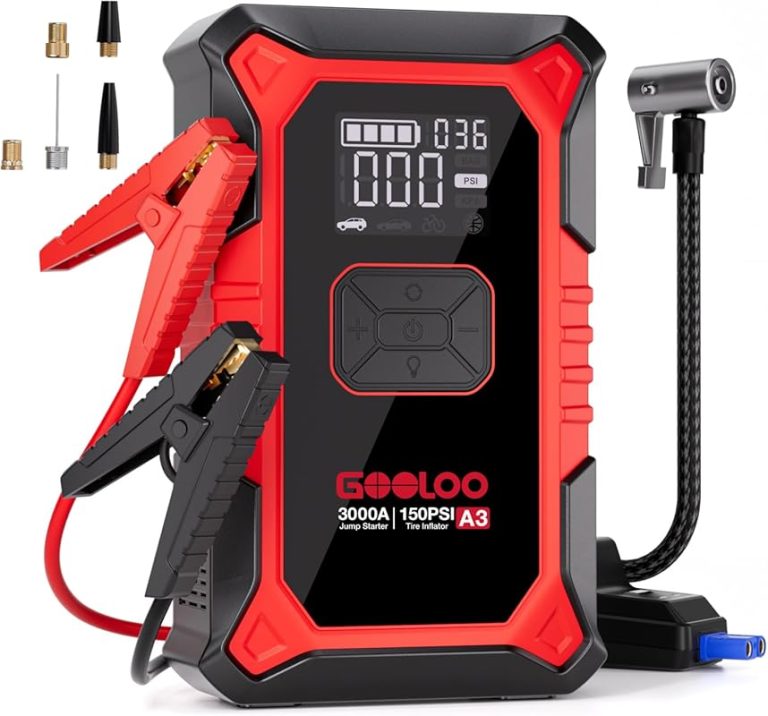
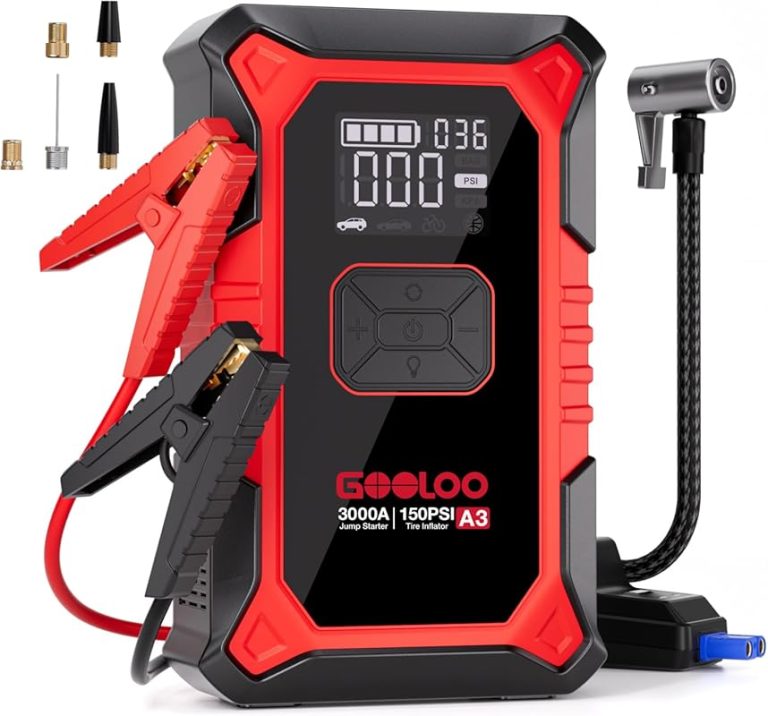
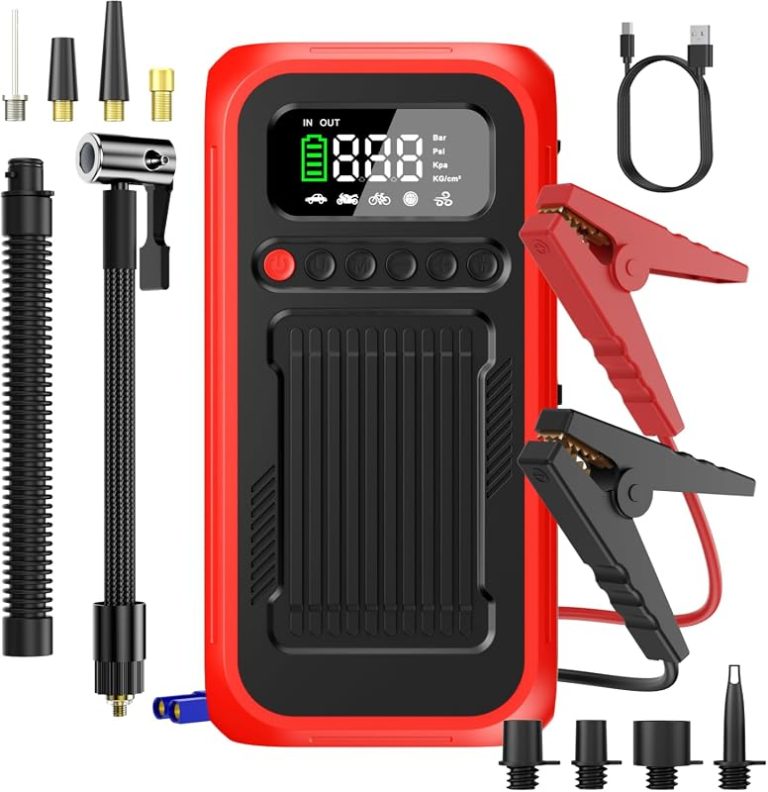
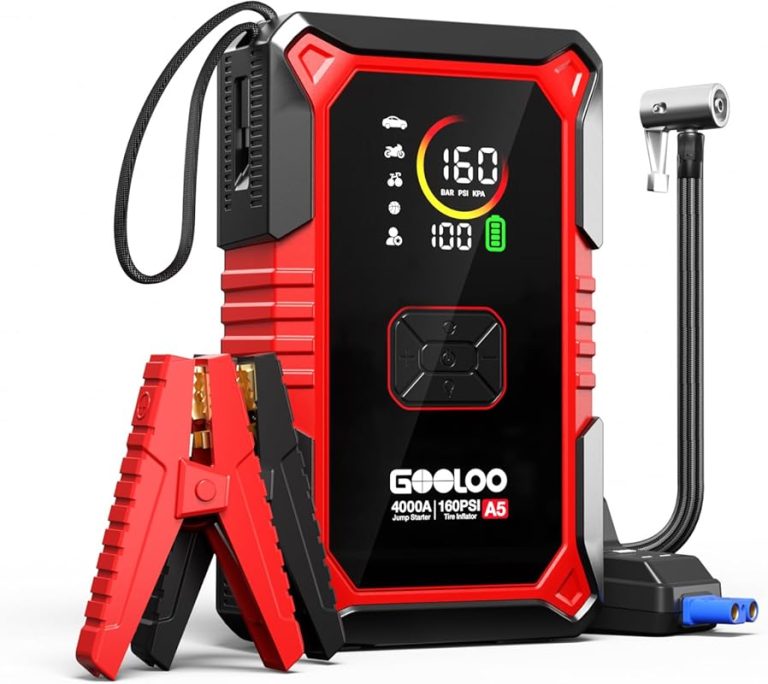
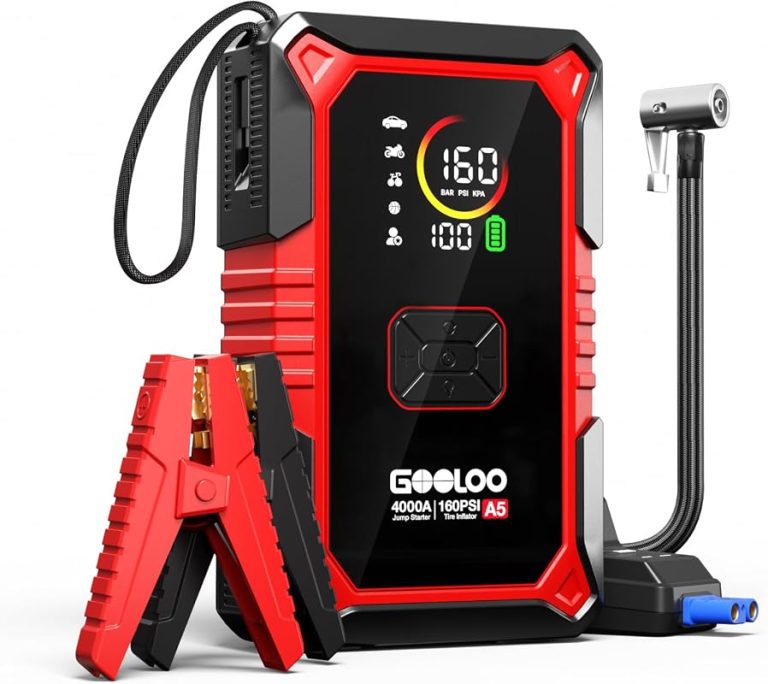
A portable jump starter is a compact battery pack that sends a short burst of power to the car’s 12-volt battery so the engine can start. Once the engine is running, the vehicle’s charging system should take over, which is why a jump starter is a restart tool, not a long-term battery fix.
Key decision criteria: peak amps, battery type, cable length, and clamp quality
When comparing models, focus on the basics that matter in real travel use. Peak amps should be appropriate for the vehicle size, the internal battery chemistry should be suitable for storage and travel, the cables should be long enough to reach the battery comfortably, and the clamps should feel secure rather than flimsy.
- Can restart a dead 12-volt battery without another vehicle
- Useful in remote parking lots and late-night travel situations
- Not a fix for alternator, starter, or battery damage
- Compatibility and power needs vary by vehicle
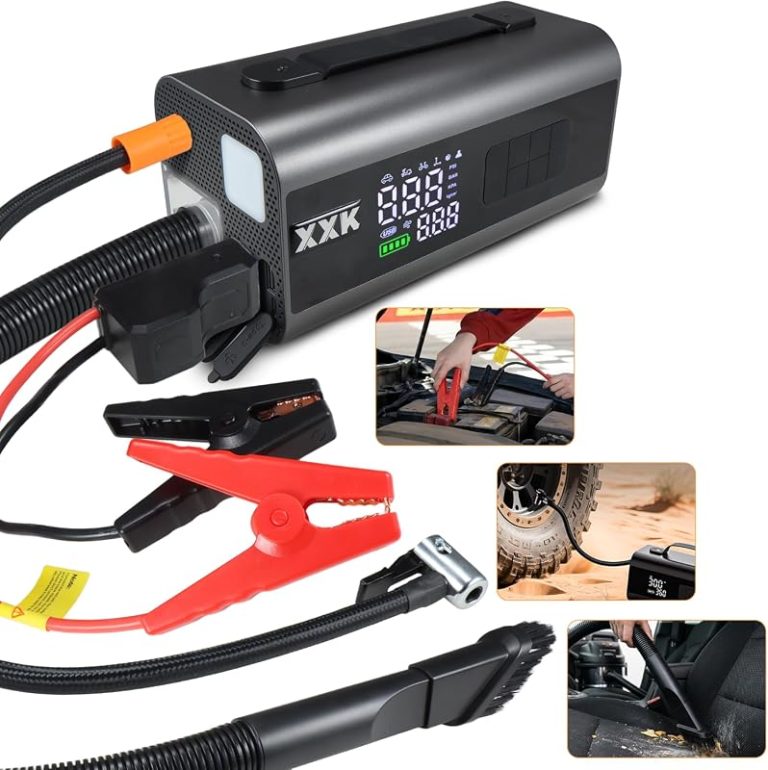
Useful extras for travelers: USB charging, flashlight, compact storage, and case design
Travel-friendly jump starters often include USB ports for phones, a built-in flashlight, and a protective case that fits in a trunk, under a seat, or in a carry-on-sized travel kit. Those extras do not replace proper power capacity, but they can make the tool easier to keep with you on a rental trip.
- Phone mount
- USB car charger
- Tire inflator
- Flashlight
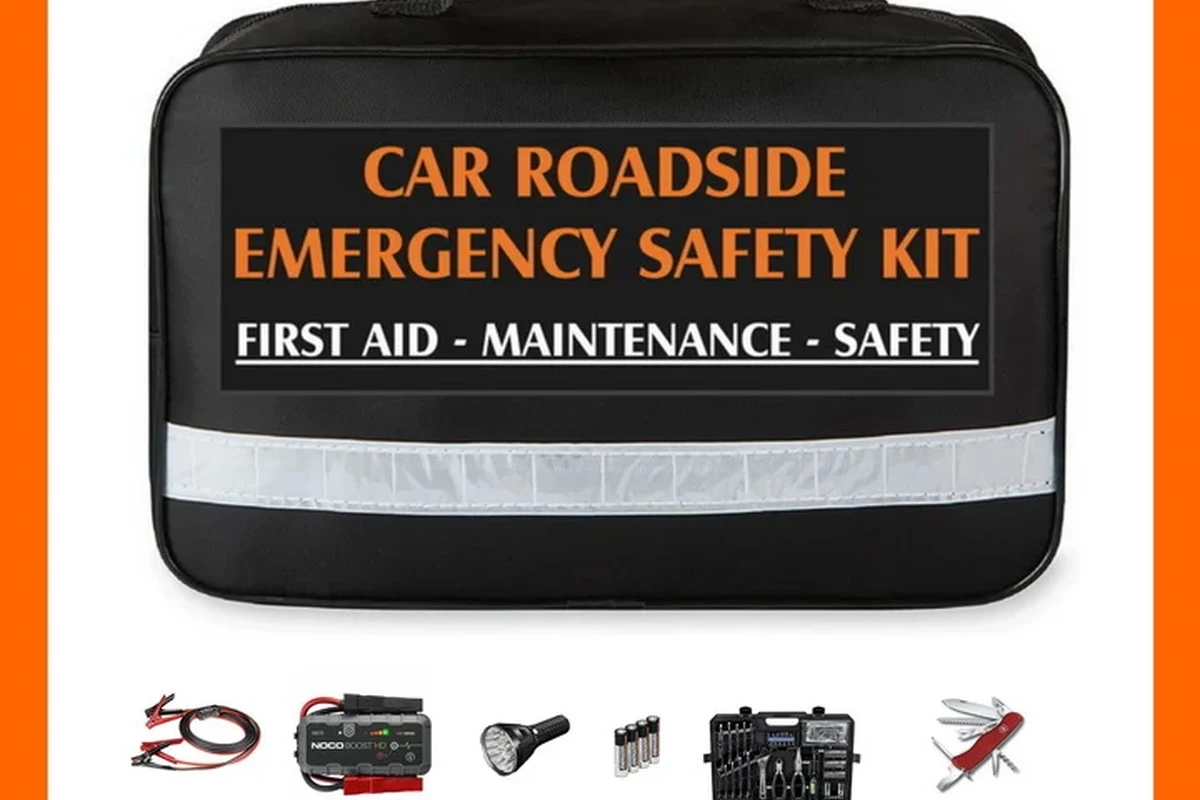
- Basic emergency kit
Rental-car compatibility considerations for compact sedans, SUVs, and hybrid models
Compact sedans are usually the easiest match for a portable jump starter, but larger SUVs may need more starting power depending on engine size and battery condition. Hybrid vehicles can be more complicated because the 12-volt battery may not be where you expect it, and some models have special procedures that should be checked in the owner manual.
Step-by-Step: How to Use a Portable Jump Starter Safely
Use the jump starter slowly and deliberately. The goal is to restore enough power to start the engine, not to troubleshoot the whole electrical system on the spot.
Move the car to a safe, level spot if possible, engage the parking brake, shift into park, and shut off lights, accessories, and the ignition.
Check the owner manual if the battery is hidden or if the vehicle has designated jump-start posts instead of easy battery access.
Attach the positive clamp to the positive terminal or approved jump post first, then connect the negative clamp to the recommended grounding point or negative terminal if the manual allows it. Follow the jump starter’s indicator lights or instructions before attempting to start.
Try starting the engine. If it starts, remove the clamps in the reverse order recommended by the jump starter instructions, keeping the clamps from touching each other or metal parts.
Allow the car to run long enough for the charging system to stabilize, then watch for warning lights or repeated starting trouble that could point to a deeper issue.
- Follow the jump starter’s instructions exactly
- Use the owner manual for hidden terminals or special procedures
- Call roadside assistance if anything seems unclear
- Forcing clamps onto the wrong terminals
- Working in unsafe traffic or poor visibility conditions
- Continuing if the battery looks damaged or overheated
Common Mistakes to Avoid When Jump Starting a Rental Car
The biggest mistakes are usually simple: wrong connections, rushing the process, or treating a jump start as a cure-all. In a rental, those mistakes can create extra damage concerns and make it harder to explain what happened at return time.
Reverse-polarity connection errors and loose clamp placement
Connecting positive to negative by mistake can damage electronics and create a safety hazard. Loose clamps can also prevent the car from starting or cause a weak connection that makes the process seem random when the real issue is just poor contact.
Trying to jump a damaged, leaking, or visibly corroded battery
Corrosion alone may be a sign the battery needs attention, but a leaking, swollen, or cracked battery should not be jump-started by a traveler. That is a situation for roadside assistance or the rental company, not a quick fix in the parking lot.
Using the jump starter as a long-term fix instead of reporting the issue
If the car needs repeated jump starts, the problem may be deeper than a drained battery. Report it right away so the rental company can decide whether to swap the vehicle, send assistance, or direct you to an approved service process.
Do not modify, unplug, reset, bypass, or tamper with a rental vehicle system without written permission from the rental company.
Troubleshooting: What to Do If the Car Still Won’t Start
If the engine does not start after a proper jump, do not keep cranking it repeatedly. That can drain the jump starter and may point to a starter, alternator, ignition, fuel, or electrical problem that a portable device cannot solve.
Recognize when the problem may be the starter, alternator, or a deeper electrical issue
A single click, repeated clicking, dim lights, or a battery that dies again soon after starting can suggest more than a simple low charge. If the dashboard shows multiple warnings or the car behaves inconsistently, the safest assumption is that it needs professional help.
What to document for the rental company before calling roadside assistance
Take clear photos of the dashboard, warning lights, battery area if visible, and any messages on the display. Note the time, location, mileage, and what happened when you attempted the start, because those details help the rental company decide the next step.
- Verify compatibility, policy, vehicle condition, return rules, and travel needs.
- Keep receipts, photos, rental agreement details, and emergency contact information accessible.
When to stop and contact the rental company immediately
Stop immediately if you smell burning, see smoke, hear popping, or notice fluid leaking under the hood. Contact the rental company right away if the vehicle is a hybrid or EV and you are unsure about the 12-volt system, or if the car still will not start after one careful attempt.
If a warning light appears while driving, pull over safely when appropriate and contact the rental company or roadside assistance.
Final Recommendation: Is a Portable Jump Starter Worth Packing for a 2025 Rental Trip?
For many travelers, yes—a portable jump starter is a smart backup item if you often rent cars, take road trips, or arrive at airports late and want more self-sufficiency. It is especially useful when you want a compact emergency tool that can fit in your travel kit and help you get moving without waiting for another vehicle.
Best-fit scenarios for keeping one in your travel gear
It makes the most sense for frequent renters, families with lots of gear, business travelers who cannot afford long delays, and road-trippers who park overnight in unfamiliar places. It is less useful if you rarely drive, if your rental company already offers strong roadside support, or if you are not comfortable checking compatibility before use.
Practical takeaway for safe, policy-compliant use with rental vehicles
Choose a jump starter that matches common rental vehicles, keep the instructions handy, and use it only as a temporary restart tool. If the battery looks damaged, the car keeps failing, or the rental agreement says to call first, follow the company process instead of improvising.
A portable jump starter is worth packing for many rental trips because it can save time and reduce stress, but only when you verify compatibility and follow the rental company’s rules. For the safest result, treat it as an emergency backup, not a substitute for roadside assistance or proper vehicle reporting.
Frequently Asked Questions
Not always. Check the rental agreement and confirm the vehicle uses a compatible 12-volt system before you try it.
Take photos of the dashboard, battery area if visible, mileage, and any warning lights. Also note the time, location, and what happened when you tried to start the car.
Yes, if the contract or roadside-assistance instructions say to contact them first. Policies vary by company, location, and vehicle type.
Do not attempt a jump start. Contact roadside assistance or the rental company right away because damaged batteries can be unsafe.
The issue may be the starter, alternator, ignition, or another electrical problem. Stop repeated attempts and get help if the car still will not start.
Often yes, especially for road trips, airport pickups, and frequent renters. It is best as an emergency backup, not a replacement for roadside assistance.