How to Choose a Portable Jump Starter
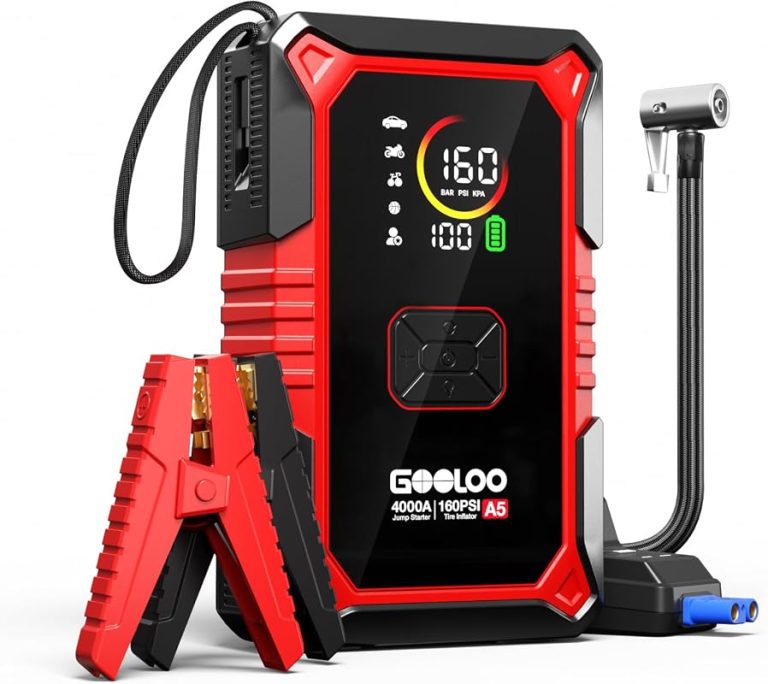
Choose a portable jump starter that matches the rental vehicle you are most likely to drive, with enough power, strong safety protections, and compact storage. For most travelers, a lithium model with clear indicators and easy-to-use clamps is the best all-around fit.
If you want the short answer: choose a portable jump starter that matches your vehicle’s 12V starting needs, includes strong safety protections, and is easy to store in a rental car or travel bag. For most rental-car travelers, the best pick is a compact unit with clear clamps, enough peak amps for your engine size, and a reliable charge that holds while packed away.
- Match the vehicle: Pick a jump starter for the 12V system and likely engine size, not just.
- Prioritize safety: Reverse polarity, spark-proof clamps, and short-circuit protection are essential.
- Think travel-friendly: Compact size, case storage, and charge retention matter for rental cars and road trips.
- Check the rules: Review the rental agreement and contact the company if the battery problem looks more.
How to Choose a Portable Jump Starter: The Fast Answer for Rental-Car Drivers
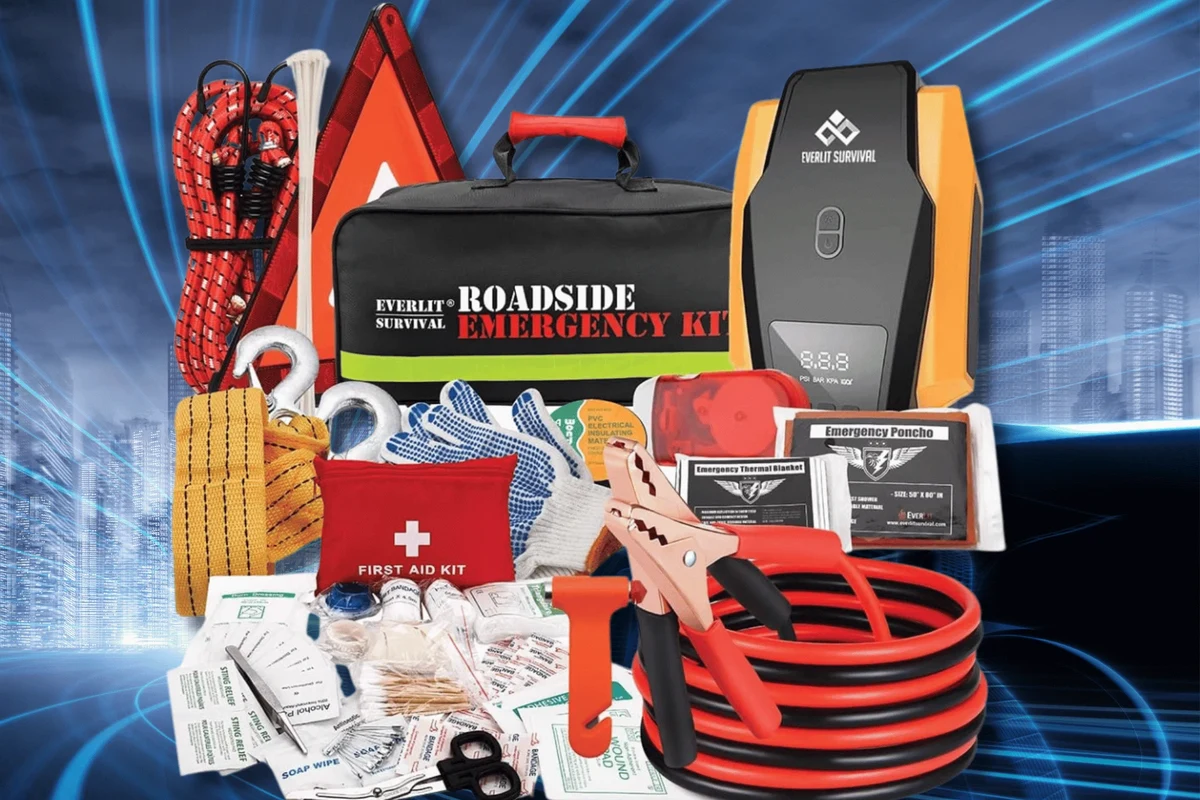
Portable jump starters are one of those accessories you hope not to need, but they can be helpful when a rental battery is weak, a car sits unused for a while, or cold weather makes starting harder. The best choice is not the biggest or most expensive one; it is the one that fits your vehicle, your travel style, and the rental-company rules you need to follow.
What matters most in 2025: peak amps, battery type, safety features, and rental-car compatibility
Start with four basics: enough power for your engine, a lithium battery that stores well, built-in safety protection, and a size that fits temporary travel use. Marketing claims can be confusing, so focus on whether the jump starter is designed for 12V gasoline or diesel starting systems, whether it has reverse-polarity protection, and whether it is compact enough to pack with your other road-trip gear.
Who this guide is for: airport renters, road-trippers, and drivers who want backup power without bulky gear
This guide is for travelers who pick up cars at airports, drive long distances, or want a small emergency tool that does more than one job. It also helps first-time renters who are building a basic travel kit and do not want to carry oversized equipment or guess at compatibility in a parking lot.
Why a Portable Jump Starter Belongs in Your Rental-Car Gear Kit
A jump starter can save time when a battery problem is minor and the car is otherwise safe to operate. It is also a practical backup for travelers who may be far from home, on a tight schedule, or somewhere roadside help could take longer than they want to wait.
Common rental-car situations where a jump starter helps
Rental-car travelers may run into a weak battery after the car has been parked for a while, after leaving accessories on, or during cold mornings. It can also be useful if you are staying in a hotel, moving between airports, or using a car only for short trips where the battery may not recharge fully between starts.
How it compares with calling roadside assistance or waiting for a tow
Roadside assistance is often the safest first call when you are unsure what is wrong, when warning lights are on, or when you are not comfortable working near the battery. A jump starter can be faster for a simple dead-battery situation, but it should not replace professional help if the car has electrical issues, damage, or signs of a larger problem.
If a warning light appears while driving, pull over safely when appropriate and contact the rental company or roadside assistance.
Why compact emergency gear matters for trunks, carry-ons, and tight luggage space
Rental cars often come with limited storage, especially when you are traveling with family bags, work luggage, or airport carry-ons. A portable jump starter is useful partly because it can fit in a glove box, backpack, or small trunk organizer without taking over the whole vehicle.
Check Rental-Company Rules Before You Pack One
Before you bring any emergency accessory, read the rental agreement and check whether the company has specific rules about battery devices or roadside equipment. Policies vary by company, location, and vehicle type, so it is worth confirming the details instead of assuming every accessory is allowed in every situation.
What most rental policies allow and what to confirm in the agreement
Many rental companies allow normal consumer accessories, but the exact terms can vary. Check whether the agreement mentions battery boosters, jump packs, or any restrictions related to electrical work, and make sure you understand who to contact if the battery seems weak at pickup or during the trip.
Policy details can vary by rental company, airport, state, and vehicle class. Confirm the current agreement before relying on any accessory.
When to contact the rental company instead of trying to solve a battery issue yourself
If the car will not start at pickup, if the dashboard shows multiple warnings, or if you suspect a damaged battery or charging system, contact the rental company first. That is especially important if the car is new to you and you have not yet documented its condition with photos and notes.
Why you should never bypass, disconnect, or modify vehicle safety systems
Do not remove covers, disconnect components, or attempt to alter a rental vehicle’s electrical or safety systems. Even a simple-looking battery issue can involve sensors, alarms, or other systems that should only be handled by authorized staff or roadside professionals.
Do not modify, unplug, reset, bypass, or tamper with a rental vehicle system without written permission from the rental company.
Know Your Vehicle: Compatibility Matters More Than Marketing Claims
The best jump starter for one traveler may be the wrong one for another. Compatibility depends on the vehicle’s power system, engine size, climate, and whether you are dealing with a standard gasoline car, a hybrid, or an EV-related situation that the jump starter cannot solve.
Gas vs. hybrid vs. EV: what a jump starter can and cannot do
Most portable jump starters are intended for 12V starting batteries in gasoline and some diesel vehicles. Many hybrids still use a 12V auxiliary battery that may be jump-started, but full EVs are different and should be handled according to the manufacturer’s instructions; a jump starter is not a universal fix for every no-start situation.
12V systems, engine size, and why peak amps must match real-world needs
Look for a jump starter that is clearly rated for the type of vehicle you are likely to rent. Small sedans usually need less starting power than larger SUVs, trucks, or cold-weather vehicles, so the point is not to buy the highest number on the box but to make sure the rating is realistic for the engine you may encounter.
If the car still will not start after a proper jump attempt, stop and call roadside assistance. Repeated cranking can make the problem worse.
Cold-weather performance and how temperature affects starting power
Cold temperatures can reduce battery performance and make starting harder. If you travel to mountain regions, northern states, or winter destinations, choose a jump starter that is known for strong cold-weather performance in its specifications and keep it charged more often during the trip.
Safety Features That Should Be Non-Negotiable
A jump starter is only useful if it helps you solve a problem without creating a new one. Safety features matter because they reduce the chance of mistakes when you are tired, parked in a dim lot, or trying to help yourself without a second set of hands.
Reverse polarity protection, spark-proof clamps, and short-circuit protection
Reverse polarity protection helps prevent damage if the clamps are attached incorrectly. Spark-proof clamps and short-circuit protection are also important because they reduce risk during connection, especially for drivers who may not use a jump starter often.
Over-current, over-voltage, and temperature safeguards
Good units include protections that limit unsafe power delivery and help the device operate within safe temperature ranges. These features matter for rental-car use because you may store the unit in hot luggage, cold trunks, or changing airport conditions.
Why built-in lights, alarms, and clear status indicators improve roadside safety
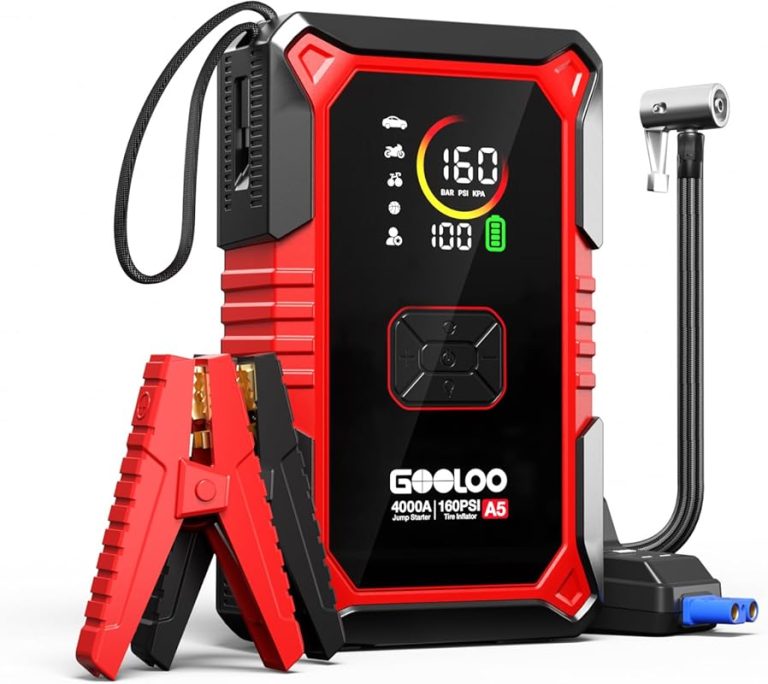
Simple indicators can be more valuable than extra features. A bright flashlight, battery-level display, and clear error alerts make it easier to work quickly and avoid confusion when you are parked on the shoulder, in a garage, or in a dark hotel lot.
Choose a jump starter with controls and indicators you can understand at a glance. In roadside situations, clarity matters more than extra modes you may never use.
How to Compare Portable Jump Starters Before You Buy
To compare models fairly, read the specs as a whole instead of focusing on one headline number. A jump starter with huge peak amps but poor clamps, weak charge retention, or awkward storage may be less useful than a smaller model that is easier to trust and carry.
Peak amps vs. cranking amps: what the numbers mean for everyday drivers
Peak amps are the short burst of power a unit can deliver, while cranking or starting performance is closer to what matters in real use. For everyday drivers, the practical question is whether the unit can start the kind of 12V vehicle you are likely to rent, not whether it has the flashiest label.
Battery chemistry, charge retention, and recharge speed
Most portable jump starters use lithium batteries because they are compact and hold a charge well. Still, charge retention, recharge speed, and how often you need to top it off matter a lot for travel, especially if the unit sits in a bag for weeks between trips.
USB ports, power bank capacity, and whether extra device charging is worth it
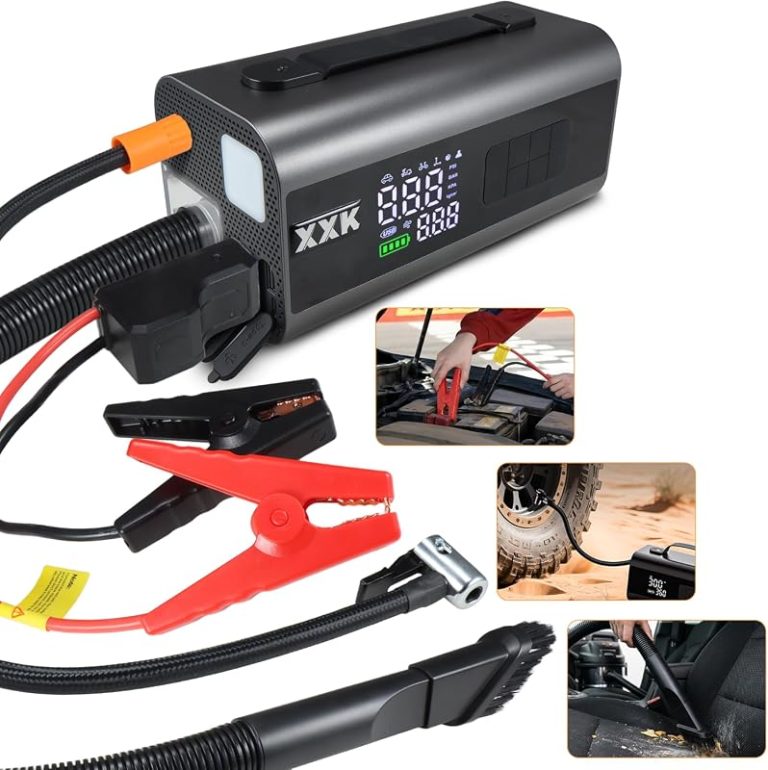
Many jump starters also work as USB power banks, which can be useful for phones, tablets, or GPS devices. That feature is convenient, but it should not distract you from the main job: starting a vehicle safely when you need it.
- Can charge a phone in an emergency
- Reduces the number of separate travel gadgets
- Extra features can add cost and bulk
- Power-bank use should not replace vehicle-focused performance
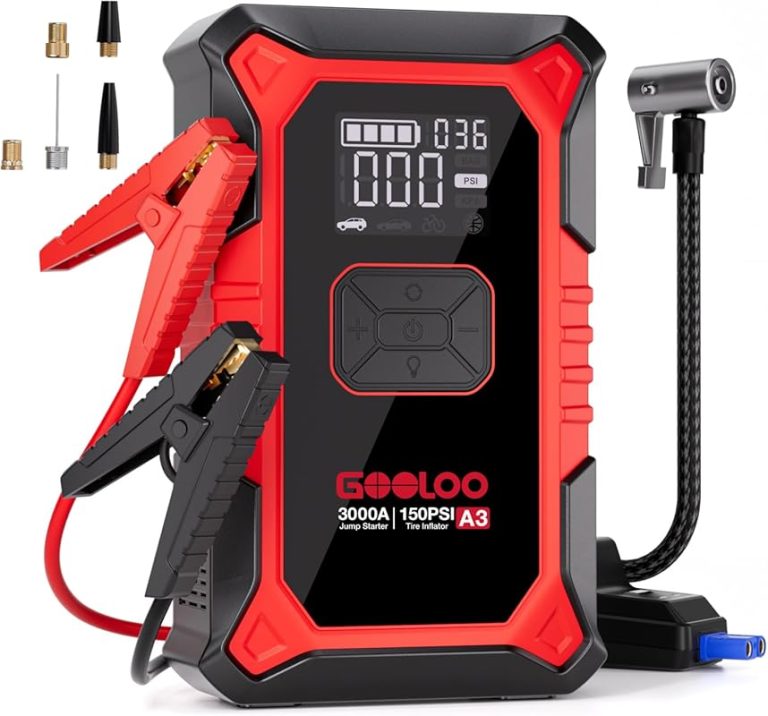
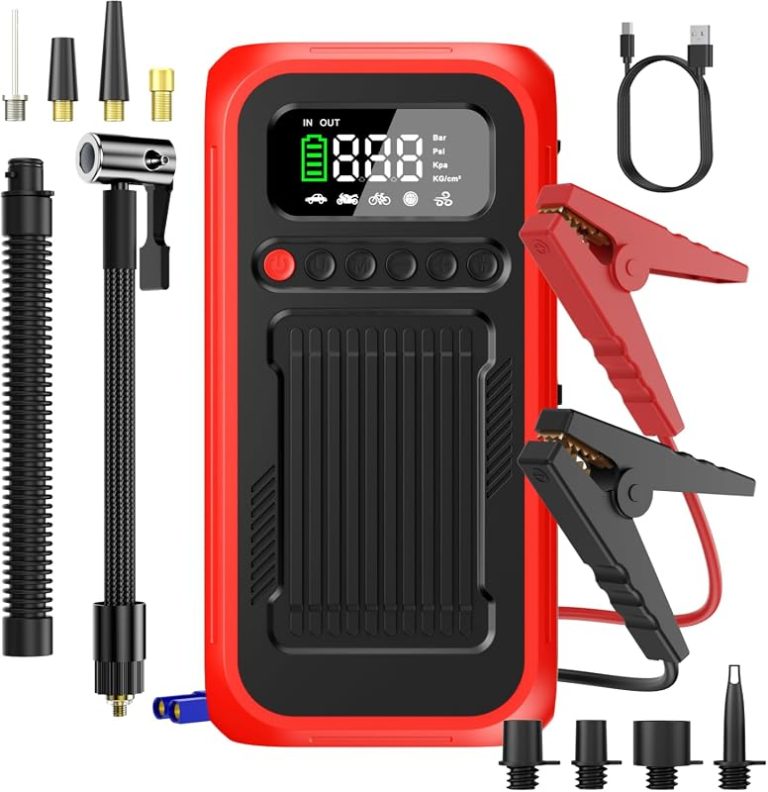
Clamp quality, cable length, case design, and compact storage for travel
Good clamps should feel secure and easy to position, and the cable should be long enough to reach the battery without awkward stretching. A protective case or organized pouch is also helpful because it keeps the unit, clamps, and charging cable together in a rental trunk or carry-on.
Practical Buying Criteria for Rental-Car and Road-Trip Use
For rental-car travel, portability and simplicity often matter more than maximum output. You want a device that is easy to store, simple to check, and dependable enough that you do not need to read a manual from scratch in a parking lot.
- Verify compatibility, policy, vehicle condition, return rules, and travel needs.
- Keep receipts, photos, rental agreement details, and emergency contact information accessible.
Size and weight for glove box, backpack, or carry-on storage
Compact size is a major plus for airport renters and road-trippers. If the jump starter is too large to fit neatly with your other gear, you may stop carrying it, which defeats the point of having an emergency tool in the first place.
Durability, warranty, and how to judge build quality without overpaying
Look for a sturdy case, secure ports, and a design that feels practical rather than fragile. Warranty terms can vary by brand and seller, so confirm the current coverage before buying, but avoid paying extra for a long feature list you are unlikely to use on a rental trip.
Weather resistance, emergency visibility, and nighttime roadside use
Some units handle dust, light moisture, or rough storage better than others, but you should still keep any electronics dry and protected. If you may travel at night or in poor weather, choose a model with a bright light and controls that are easy to see without standing in traffic.
Rental-car compatibility: easy setup, universal fit, and no permanent installation
The best rental-friendly jump starter is one that works without tools, permanent wiring, or vehicle modifications. A universal, portable design is ideal because it can move from one rental to the next and still remain useful for personal cars later.
For rental travel, the safest accessory is usually the one that is simple, portable, and easy to explain if you ever need to discuss it with the rental desk.
Common Mistakes, Troubleshooting, and the Best Final Choice for Most Drivers
Most problems with jump starters come from buying the wrong size, letting the battery sit uncharged, or assuming every car uses the same starting setup. A little planning before pickup can prevent a stressful moment later in the trip.
Mistakes to avoid: buying too little power, ignoring battery maintenance, and skipping a test charge
Do not choose a unit only because it is cheap or tiny if it cannot realistically handle your vehicle type. Also, make a habit of checking the charge before travel, because a jump starter that is stored empty or forgotten in a bag is not much help in an airport lot.
- Match the unit to the vehicle class you may rent
- Keep it charged and stored in its case
- Read the instructions before your trip
- Buying based on peak amps alone
- Leaving it uncharged for months
- Using it on a vehicle you do not understand
What to check before a trip: charge level, clamp condition, and accessory completeness
Before you leave, confirm the unit is charged, the clamps are clean and undamaged, and the cable or charging adapter is packed with it. If the jump starter has a flashlight or USB output, make sure those functions still work so you are not surprised later.
When a jump starter is enough, when roadside help is smarter, and the best all-around recommendation for 2025
A jump starter is enough when the issue appears to be a simple 12V battery problem and the car otherwise seems normal. Roadside help is smarter when warning lights, strange noises, visible damage, or repeated no-start attempts suggest a larger issue; for most drivers in 2025, the best all-around choice is a compact lithium jump starter with strong safety protections, clear instructions, and enough power for the vehicle class you are most likely to rent.
Choose the smallest jump starter that still matches your likely rental vehicle, prioritizing safety features, charge retention, and easy storage over flashy specs. If you are unsure about compatibility or the car shows anything beyond a simple dead battery, contact the rental company or roadside assistance first.
Frequently Asked Questions
Not always. Check the rental agreement and the vehicle’s manual, because compatibility can vary by car type, battery setup, and company policy.
Match the jump starter to the vehicle class and engine size you are likely to rent. A small sedan usually needs less starting power than a larger SUV or truck.
Take photos of the dashboard, warning lights, mileage, and any visible issues, then report the problem to the rental company before trying to solve it yourself.
If the issue looks like a simple dead battery and the car is otherwise normal, a jump starter may help. If there are warning lights, damage, or repeated no-start attempts, contact the rental company or roadside assistance first.
Look for reverse polarity protection, spark-proof clamps, short-circuit protection, and clear status indicators. These features help reduce mistakes during roadside use.
For most travelers, the best choice is a compact lithium jump starter with enough power for the vehicle class you rent, strong safety features, and easy storage for airport or road-trip use.