How Many Amps Do I Need to Jump Start a Car?
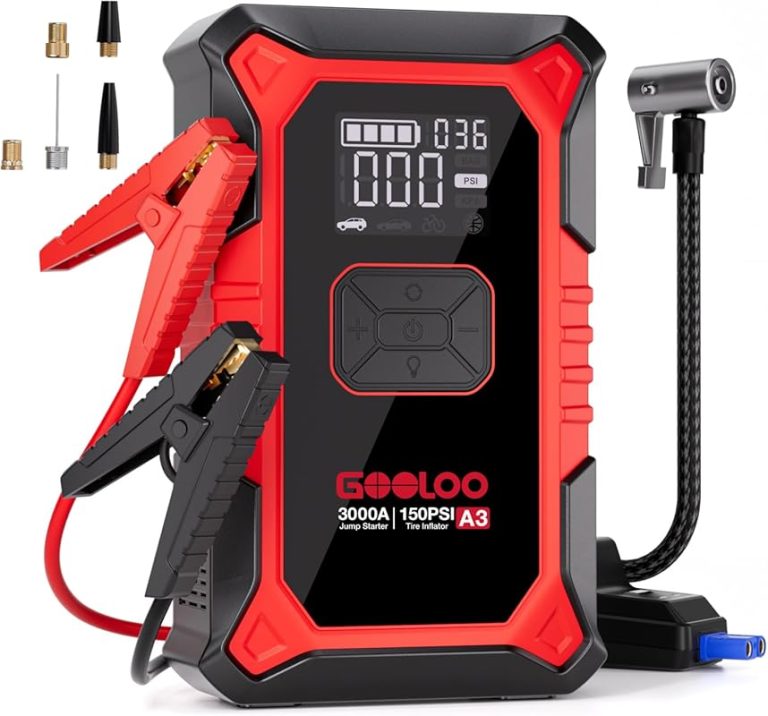
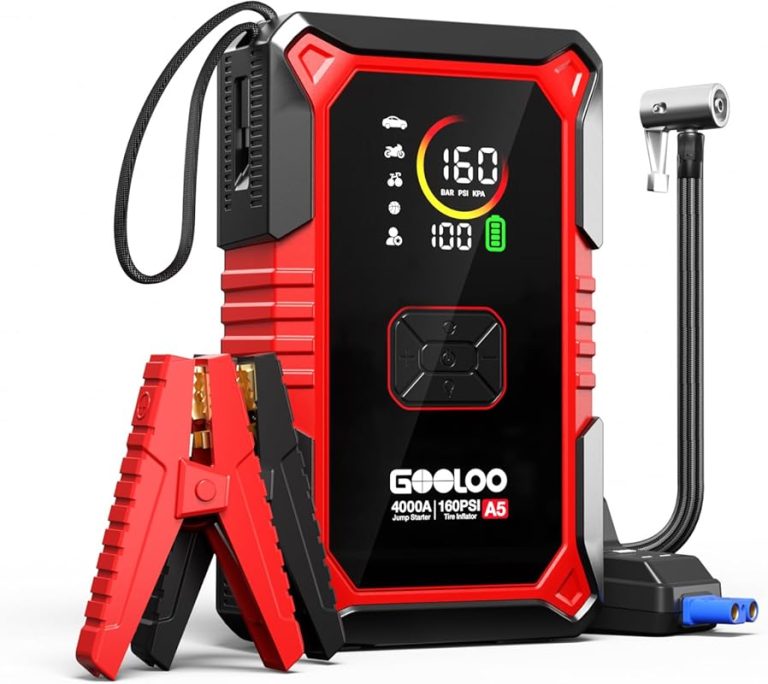
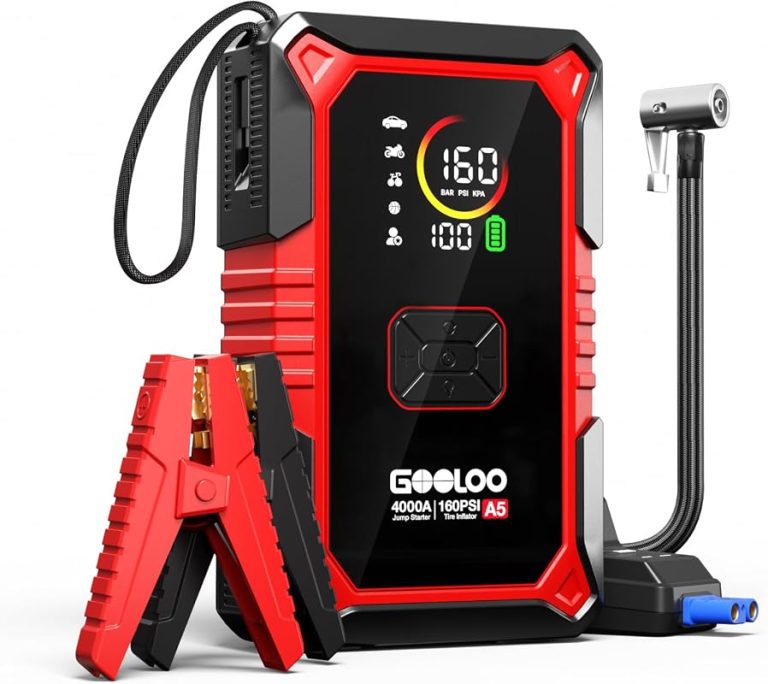
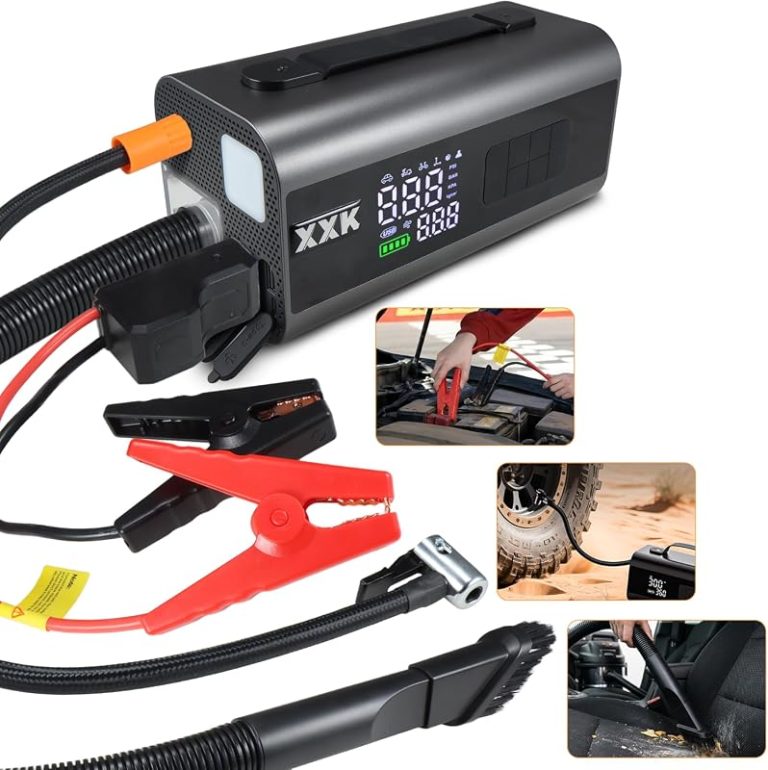
Most passenger cars can be jump started with a portable unit in the 400 to 1,000 peak amp range. Larger engines, diesel vehicles, and cold weather often need more reserve.
If you’re wondering how many amps you need to jump start a car, the practical answer is usually a portable jump starter in the 400 to 1,000 peak amp range for most gasoline passenger vehicles. Larger engines, diesel vehicles, and very cold weather can push that need higher, so the best choice depends on the vehicle and the condition of the battery.
- Typical range: Most gasoline cars fit a mid-range portable jump starter, not the largest one available.
- Vehicle matters: SUVs, trucks, diesels, and cold-weather starts often need extra capacity.
- Safety matters: Correct clamp placement and battery condition are just as important as amp rating.
- Rental use: Check the rental agreement and vehicle manual before using a jump starter.
How Many Amps Do You Need to Jump Start a Car? Quick Answer for 2025
For most everyday drivers, a jump starter with enough reserve to handle a 12V passenger car is the right starting point. The exact number matters less than whether the unit can supply enough starting power for your engine size, battery condition, and climate.
Typical amp range for most passenger cars
Most compact cars, sedans, crossovers, and many small SUVs can usually be supported by a portable jump starter in the 400 to 1,000 peak amp range. That said, peak amps are only one part of the picture; some products advertise large numbers that do not always translate into reliable starting performance.
A better way to think about it is this: the jump starter should have enough output to help the battery deliver the burst of power the starter motor needs. If the battery is only slightly discharged, a modest unit may work fine. If the battery is deeply dead, older, or cold-soaked, you may need more margin.
Why cold weather, engine size, and battery condition change the number
Cold temperatures slow down chemical reactions inside the battery and make the engine harder to turn over. Bigger engines also require more cranking effort, which increases the demand on the jump starter.
Battery age matters too. A healthy battery with a mild drain is much easier to revive than an old battery with internal wear, corrosion, or a weak alternator. In other words, the “right” amp rating is not fixed; it changes with the vehicle and the situation.
Who This Guide Is For: Rental Cars, Road Trips, and Everyday Drivers
This guide is for drivers who want a practical answer before buying or packing a jump starter. That includes people who rent cars often, take long road trips, or simply want a backup plan for a car that may sit for days at a time.
Drivers of compact cars, SUVs, trucks, and hybrids
Compact cars usually need less starting help than full-size SUVs or trucks, but the battery and engine condition still matter. Hybrids can be different because they often have a separate 12V battery for accessories and startup functions, so compatibility should be checked in the owner manual.
Trucks and larger SUVs may need a more capable unit, especially if they have larger gasoline engines or diesel powertrains. If you are unsure, size up carefully rather than choosing the smallest unit available.
Rental-car renters who need a safe, policy-friendly solution
Rental-car travelers should be especially careful because policies vary by company and location. Some renters want a jump starter as part of an emergency kit, but they should still confirm that carrying and using one is allowed under the rental agreement.
Rental Car Warning
Do not modify, unplug, reset, bypass, or tamper with a rental vehicle system without written permission from the rental company.
Travelers who want a portable jump starter in their road-trip kit
A portable jump starter can be useful on long drives, especially when you are far from a service station or in areas with limited roadside coverage. It also helps when you do not want to depend on another vehicle being nearby for a traditional jump.
- Phone mount
- USB car charger
- Tire inflator
- Flashlight
- Basic emergency kit
How Jump Starting Works: Voltage, Amps, and Peak Current Explained
Jump starting is about delivering enough electrical power to wake up a weak battery and let the starter motor crank the engine. The vehicle still needs a healthy 12V electrical system, correct cable connections, and a battery that is not physically damaged.
The difference between starting amps, peak amps, and cranking amps
Peak amps are the highest burst the unit can advertise briefly. Cranking amps and starting amps are closer to the power needed to turn an engine over for a few seconds.
Because brands label these differently, shoppers should compare products carefully instead of choosing based on the biggest number on the box. A smaller, well-built unit with strong clamps and safety protections may be more useful than a flashy model with unclear specs.
Why a higher-amp unit is not always better
More amps do not automatically mean better performance. A jump starter that is far larger than you need may be bulkier, heavier, and harder to store in a glove box or carry-on style travel kit.
For rental-car use, portability and reliability often matter more than chasing the highest possible rating. The goal is enough power for a safe start, not the largest unit available.
What matters more: battery health, cable quality, and correct connection
Even a strong jump starter can struggle if the battery terminals are corroded, the clamps are loose, or the battery itself has failed. Clean contact and proper clamp placement matter a lot.
Choosing the Right Jump Starter for Your Vehicle
To choose the right jump starter, start with the type of vehicle you drive most often, then factor in climate and storage needs. If you rent different vehicles, it helps to choose a model that covers the most common ones you encounter.
Recommended amp ranges by vehicle type
As a general guide, smaller gasoline cars often fit in the lower end of the portable jump starter range, while larger SUVs and trucks may need more output. If you want one unit for mixed use, a mid-to-higher-capacity model is usually the safer bet.
| Vehicle type | Typical use case | General fit |
|---|---|---|
| Compact car / sedan | Daily driving, short trips | Moderate peak amp range |
| Mid-size SUV | Family travel, rental use | Mid to higher peak amp range |
| Truck / large SUV | Heavier starting demand | Higher-capacity unit |
| Diesel vehicle | Cold weather, larger engines | Higher-capacity unit with extra margin |
Gasoline vs. diesel considerations
Diesel engines generally need more starting power than comparable gasoline engines. If you drive or rent diesel vehicles, choose a jump starter with extra reserve rather than a basic entry-level unit.
Also keep in mind that diesel vehicles are more likely to be affected by cold weather, which can increase the demand further. When in doubt, check the product’s stated vehicle compatibility rather than relying on amp claims alone.
Battery capacity, engine size, and climate factors
Larger batteries and larger engines usually require more starting help. Very hot or very cold climates can also affect performance, especially if the battery is already worn.
Note
Compatibility can vary by vehicle model, battery type, and local climate. Always verify the jump starter’s supported engine size and 12V compatibility before buying.
Compatibility with 12V systems and rental-car policies
Most passenger cars use a 12V system, which is what portable jump starters are designed for. Still, you should confirm the vehicle type before connecting anything, especially if you are dealing with a hybrid, specialty vehicle, or unfamiliar rental.
Rental-car policies may also affect what accessories you can carry or use. If you are packing a jump starter for a trip, review the rental agreement and the vehicle manual before your departure.
Safety First: How to Jump Start a Car Without Damaging the Vehicle
Jump starting is common, but it should still be treated as a cautious roadside task. Modern vehicles have sensitive electronics, and mistakes can cause damage or create a safety hazard.
Pre-start checks before connecting anything
Before you connect the jump starter, make sure the vehicle is in park or neutral with the parking brake set. Turn off the ignition, lights, accessories, and anything else that could draw power.
- Verify compatibility, policy, vehicle condition, return rules, and travel needs.
- Keep receipts, photos, rental agreement details, and emergency contact information accessible.
Correct cable order and secure clamp placement
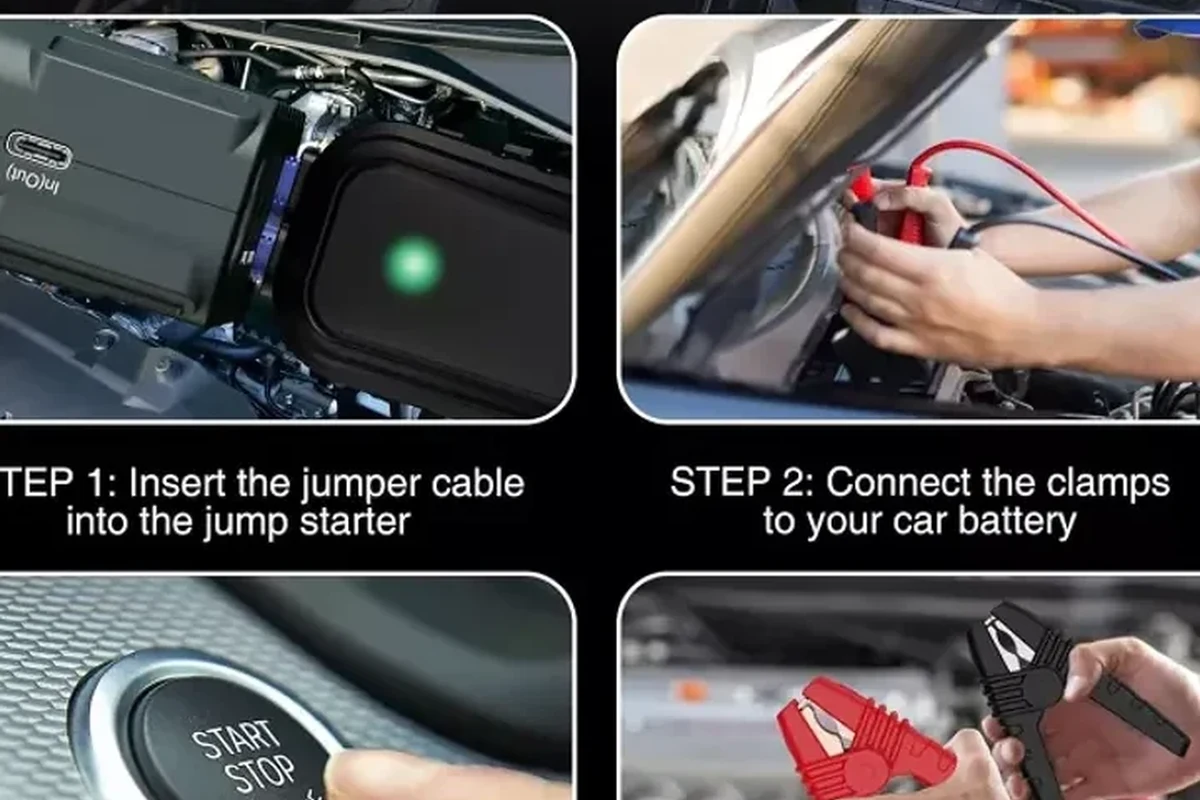
Follow the jump starter’s instructions exactly, since cable order can vary by product. The clamps should be attached firmly to clean, stable contact points so they do not slip during startup.
If the battery terminals are heavily corroded or hard to access, do not force the connection. It is safer to stop and get help than to improvise with a poor connection.
What to avoid with modern electronics and safety systems
Do not connect accessories in a way that bypasses the vehicle’s designed electrical setup. Avoid touching the clamps together, reversing polarity, or using a damaged jump starter.
If a warning light appears while driving, pull over safely when appropriate and contact the rental company or roadside assistance.
When not to attempt a jump start
Do not attempt a jump start if the battery is swollen, leaking, smoking, or visibly damaged. Also stop if you smell burning, see sparks from the wrong place, or suspect a more serious electrical problem.
In those cases, roadside assistance or the rental company is the safer option. The same is true if the vehicle has repeated no-start issues that may point to an alternator or charging-system failure.
Common Mistakes Drivers Make When Estimating Amps
Many jump-start problems come from guessing instead of matching the tool to the situation. The most common mistakes are easy to avoid once you know what to look for.
Using too little power for a dead battery
A unit that works on a lightly drained battery may fail on a fully dead one. If your car has been sitting for a long time or the weather is very cold, a low-capacity jump starter may not be enough.
Confusing portable jump starters with battery chargers
A jump starter delivers a short burst of power to start the engine. A battery charger restores battery charge over time, usually by plugging into a wall outlet or vehicle power source.
That distinction matters because a jump starter may get you moving, but it does not necessarily fix the underlying battery issue. If the battery keeps dying, the vehicle should be checked by the rental company, owner, or a qualified service provider.
Ignoring corrosion, loose terminals, or a failing alternator
Corrosion and loose connections can make a healthy battery look dead. A failing alternator can also cause repeated starts to fail, even after a successful jump.
If a warning light appears while driving, pull over safely when appropriate and contact the rental company or roadside assistance.
Assuming every rental car has the same battery requirements
Rental fleets include many makes and models, and battery needs can vary widely. A jump starter that works for one rental car may not be ideal for another.
Before a trip, it is smart to check the vehicle manual, confirm the fuel type, and keep the rental company’s roadside contact information handy.
Practical Buying Guide: Features That Matter Most in 2025
When comparing jump starters, the best choice is usually the one that balances power, safety, and travel convenience. For rental-car travelers, storage and ease of use are often just as important as raw output.
Compact storage and travel-friendly size
A jump starter that fits neatly in a backpack, carry-on, or trunk organizer is easier to keep with you. That matters for airport rentals, business trips, and family road trips where space is already limited.
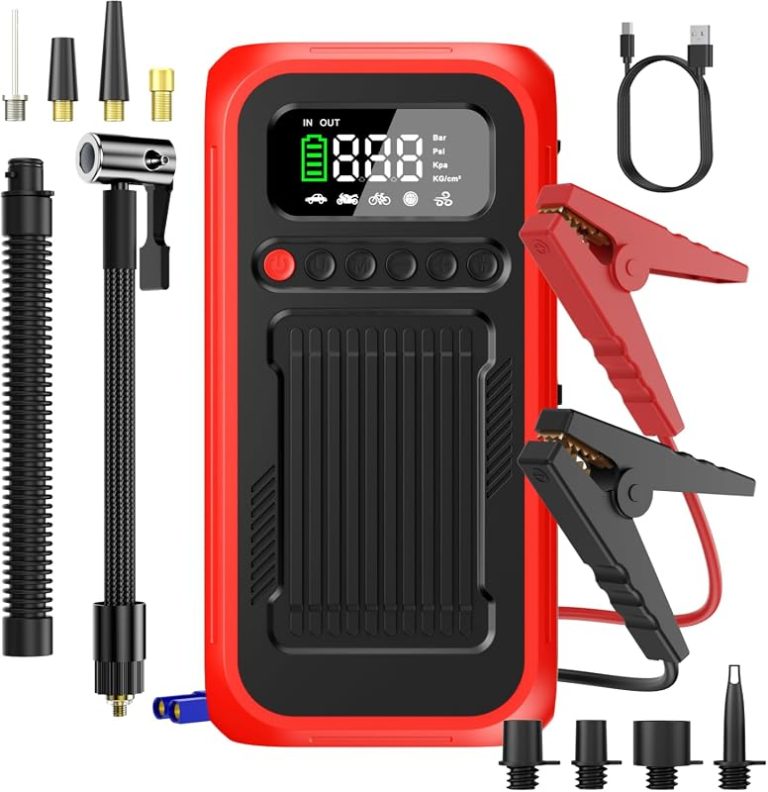
USB charging, LED emergency light, and extra power-bank features
Many portable jump starters also work as USB power banks and include built-in flashlights. Those extras can be useful during roadside stops, hotel parking lot issues, or late-night airport pickups.
Clamp quality, cable length, and built-in protections
Good clamps and sensible cable length make the tool easier to use safely. Built-in protections against reverse polarity, overcurrent, and short circuits are especially valuable for first-time users.
Weather resistance and cold-weather performance
If you travel in winter or store gear in a trunk, look for a model that is known to handle temperature swings reasonably well. Battery devices can lose performance in the cold, so a little extra reserve is useful.
Best fit for rental cars, airport trips, and long-distance travel
For rental use, the best jump starter is usually compact, clearly labeled, and simple to operate. It should also be easy to verify against the vehicle’s 12V system and the rental company’s rules.
Before leaving the airport rental lot, confirm the fuel level, mileage, toll policy, return location, and after-hours return rules.
Final Recommendation: What Most Drivers Should Choose
Most drivers should look for a portable jump starter that comfortably covers typical 12V passenger cars, with enough margin for cold weather and occasional larger rentals. For many travelers, that means choosing a mid-range unit rather than the smallest model available.
Best all-around amp range for typical rental and personal vehicles
A practical all-around choice is a jump starter in the broad 400 to 1,000 peak amp neighborhood for smaller gasoline vehicles, with higher-capacity options for larger SUVs, trucks, or diesel engines. The exact sweet spot depends on how often you rent, what you drive, and where you travel.
When to choose a higher-capacity model
Choose more capacity if you regularly drive larger vehicles, travel in freezing weather, or want one unit that can cover a wider range of rentals. Extra reserve can also help when the battery is older or the car has sat unused for a while.
When to call roadside assistance or the rental company instead
If the battery looks damaged, the car shows serious warning lights, or the vehicle refuses to start after a correct jump attempt, stop and call for help. For rental cars, that usually means contacting the rental company first, then following their roadside instructions.
For most drivers, the right answer is not the biggest amp number, but a reliable 12V jump starter with enough reserve for the vehicle type and weather. If you rent often or travel long distances, pick a compact model with safety protections, and use roadside assistance when the battery problem looks beyond a simple jump.
Frequently Asked Questions
Most passenger cars can be helped by a portable jump starter in the 400 to 1,000 peak amp range. Larger engines, diesel vehicles, and cold weather may require more reserve.
Not always. More amps can help in tougher conditions, but portability, safety features, and correct vehicle compatibility matter just as much.
Often yes, but rental policies vary by company and vehicle. Check the rental agreement and the owner manual before using any accessory.
Check that the battery is not damaged, the clamps are secure, and the vehicle is in park or neutral with accessories turned off. If you see smoke, swelling, or heavy corrosion, stop and get help.
Battery health, cable quality, clamp fit, and built-in safety protections matter a lot. A well-made unit with enough reserve is usually better than one with a huge but unclear rating.
Call for help if the battery is damaged, the car shows serious warning lights, or a proper jump does not work. Rental-car drivers should also contact the rental company for policy guidance.