What Size Jump Starter Do I Need?
Most renters should choose a compact-to-mid-size jump starter that matches the vehicle class they usually drive. If you rent larger SUVs, trucks, or drive in cold weather, size up and verify compatibility before you buy.
If you are renting a car, the right jump starter usually depends on engine size, battery type, and weather more than on brand names or fancy extras. For most renters, a compact 600 to 1,000-peak-amp unit is enough for small sedans and many crossovers, while larger SUVs and trucks often need a stronger model or roadside assistance instead.
- Match the vehicle: Small sedans need less power than SUVs, minivans, and trucks.
- Check the manual: Hybrids and start-stop systems may need special jump-start procedures.
- Think about weather: Cold conditions can reduce battery performance, so add margin.
- Prioritize safety: Use reverse-polarity and spark protection, and follow rental-company rules.
What Size Jump Starter Do I Need? Quick Answer for Rental Cars
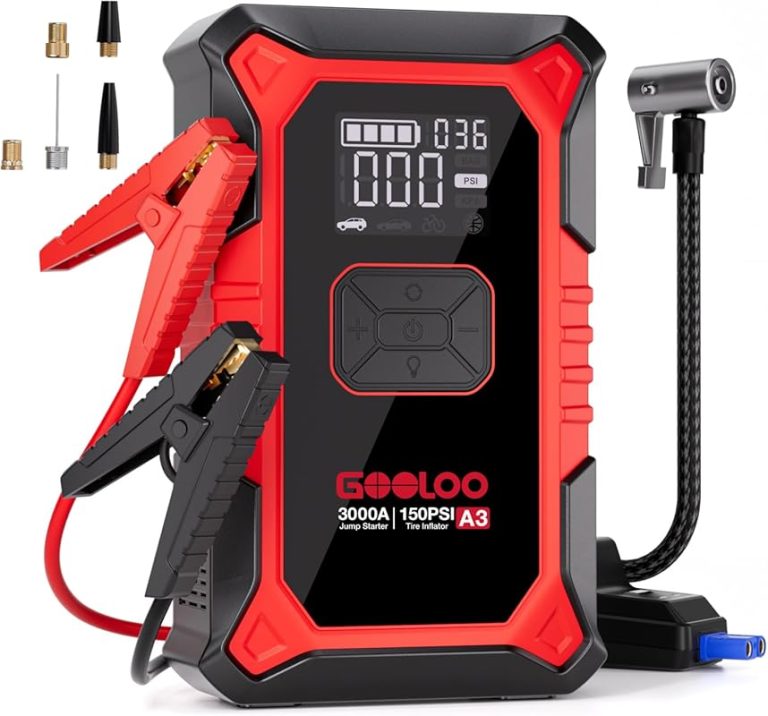
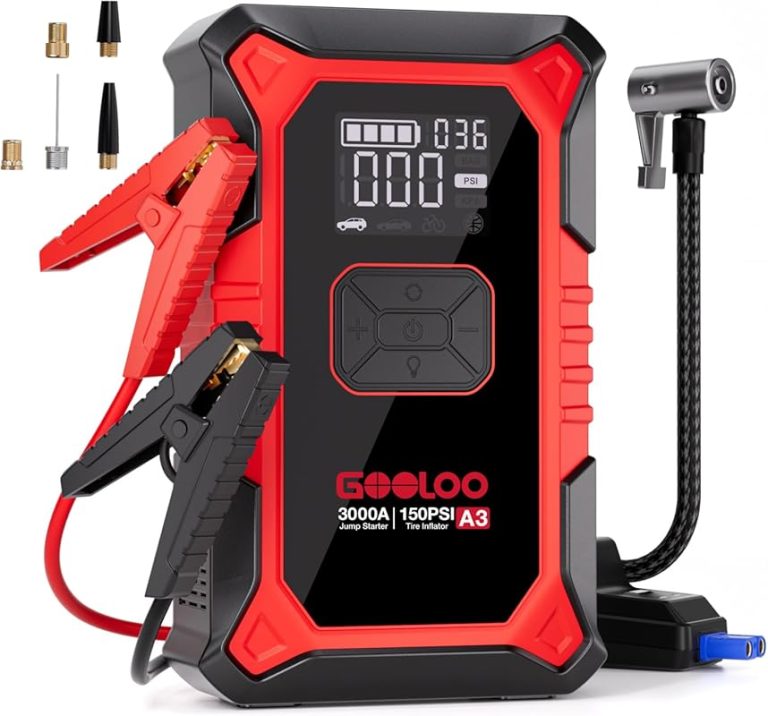
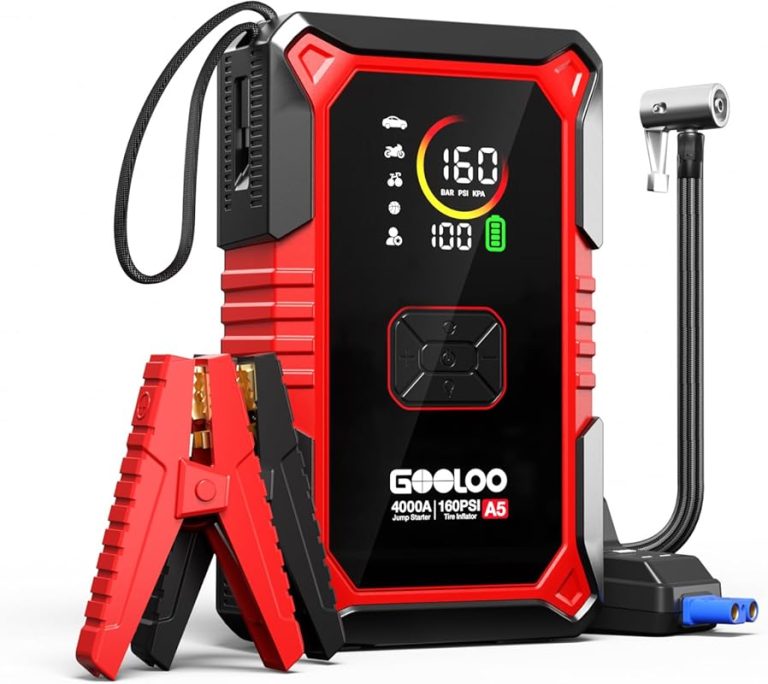
The safest way to size a jump starter is to match it to the vehicle you may rent, not to the cheapest option on the shelf. If you want one device that covers most rental situations, look for a portable jump starter with enough peak amps for a 4-cylinder sedan and some cushion for a midsize SUV, plus built-in safety protections and a compact case.
For airport rentals and road trips, size also means physical portability. A unit that fits in a carry-on-style bag, glove box, or trunk organizer is more practical than a bulky model you will leave behind because it is inconvenient to pack.
How Jump Starter Size Is Measured in 2025
Jump starters are usually described by peak amps, battery capacity, and sometimes starting current or engine-size guidance from the manufacturer. Those numbers are not perfectly standardized across every brand, so it helps to read the label carefully and confirm what the company actually means.
Peak amps vs. cranking amps: what matters most
Peak amps are the short burst of power a jump starter can deliver to start an engine. Cranking amps or starting amps describe more sustained output, but many consumer models emphasize peak amps more prominently, so you should use both the amp rating and the vehicle fit guide together.
Manufacturer terms vary. One brand’s “peak amps” may not compare directly with another brand’s “starting amps,” so check the compatibility chart instead of relying on the number alone.
In practical rental-car use, the vehicle type matters more than chasing the biggest number. A well-made jump starter with a realistic rating and good clamps is often more useful than an oversized unit with vague specifications.
Battery capacity, engine size, and climate factors
Battery capacity is commonly listed in milliamp-hours or watt-hours, but that number does not tell the whole story. A higher-capacity pack may hold more charge for phone charging and multiple attempts, yet it still needs enough power delivery to crank the engine you are trying to start.
Climate matters too. Cold weather makes batteries less effective, which is why travelers in northern states, mountain areas, or winter road-trip routes should size up a bit. Hot weather can also stress batteries and electronics, so a unit with clear temperature guidance and safe storage instructions is worth considering.
If you rent in a region with real winter conditions, choose a jump starter with extra headroom beyond the minimum recommendation for your engine size.
Which Jump Starter Size Fits Your Rental Vehicle?
The best size depends on the kind of rental you usually book. A compact sedan, three-row SUV, and half-ton truck do not need the same jump starter, and hybrid or start-stop systems bring their own compatibility questions.
Small sedans and compact cars
For most compact and midsize sedans with 4-cylinder engines, a smaller portable jump starter often makes sense. These vehicles typically need less starting power, and a lighter unit is easier to store in a rental trunk or travel bag.
Look for a model that is clearly rated for smaller gasoline engines and includes reverse polarity protection, spark protection, and a straightforward clamp design. If you are a first-time renter or a frequent airport traveler, simplicity matters as much as raw power.
Midsize SUVs, crossovers, and minivans
Midsize SUVs, crossovers, and minivans usually benefit from a mid-range jump starter with more reserve power. These vehicles may have larger batteries, more electronics, and more demanding cold-start needs than a small sedan.
- More flexibility across common rental vehicle types
- Better margin in cooler weather
- Useful for family road trips and airport pickups
- Usually larger and heavier
- May cost more than a basic compact model
- Can be overkill for a small sedan
If you often rent family vehicles, a mid-size unit is usually the sweet spot. It gives you more compatibility without becoming too bulky to pack with luggage, snacks, chargers, and other trip gear.
Full-size SUVs, trucks, and higher-displacement engines
Full-size SUVs, pickup trucks, and larger V6 or V8 engines generally need a stronger jump starter. In these cases, it is smart to choose a unit that the manufacturer explicitly rates for larger gasoline engines rather than assuming “more amps” automatically means better performance.
These vehicles may also have bigger batteries and more electrical load from accessories, especially if the rental is equipped for towing, premium audio, or additional safety systems. If you are unsure, roadside assistance may be the safer choice than guessing on size.
Hybrid and start-stop vehicles: special compatibility notes
Hybrid vehicles and some start-stop systems can be more complicated than a standard gas sedan. Some hybrids have a small 12V battery that powers electronics, but the vehicle’s starting procedure and jump points may differ from a conventional car.
For hybrids, plug-in hybrids, and vehicles with unusual battery access, follow the owner manual and rental company guidance before connecting any jump starter.
Do not assume every portable jump starter is automatically appropriate for every hybrid. Check whether the rental company or manufacturer provides specific jump-start instructions, and verify that the device is compatible with the vehicle’s voltage and connection points.
Rental-Car Rules, Policies, and Safety Limits
Before using any jump starter on a rental, read the agreement and the vehicle instructions. Rental companies may have specific rules about roadside help, battery issues, and what counts as unauthorized tampering, especially if the car has a problem beyond a simple dead battery.
What to check in the rental agreement before using a jump starter
Look for sections covering roadside assistance, emergency use, damage responsibility, and prohibited repairs. Some rental agreements direct you to contact the company first rather than attempting to solve the issue yourself, particularly if dashboard alerts are present.
Do not modify, unplug, reset, bypass, or tamper with a rental vehicle system without written permission from the rental company.
You should also confirm whether the rental company expects you to use its roadside program, a manufacturer service line, or your own travel protection. Policies vary by company, location, and vehicle class.
When to contact the rental company instead of trying a jump start
If the battery is dead and the car is otherwise normal, a jump starter may be reasonable. But if there is a warning light, electrical smell, fluid leak, damaged battery, or repeated no-start problem, contact the rental company or roadside assistance instead of forcing a start.
If a warning light appears while driving, pull over safely when appropriate and contact the rental company or roadside assistance.
This is especially important at airports, in unfamiliar cities, or when you are traveling with family and luggage. A quick call can prevent a minor issue from turning into a costly or unsafe situation.
Safe handling, cable placement, and avoiding electrical damage
Use the jump starter only as directed by the manufacturer and the vehicle manual. Make sure the clamps are on the correct terminals, keep the cables away from moving parts, and avoid letting the clamps touch each other or other metal surfaces.
- Follow the vehicle manual and jump starter instructions
- Use the correct terminals and secure clamp placement
- Stop if anything looks damaged or unusual
- Guessing at terminal locations
- Using a damaged battery pack or frayed cables
- Trying to hide a larger electrical issue from the rental company
How to Choose the Right Jump Starter for Travel and Road Trips
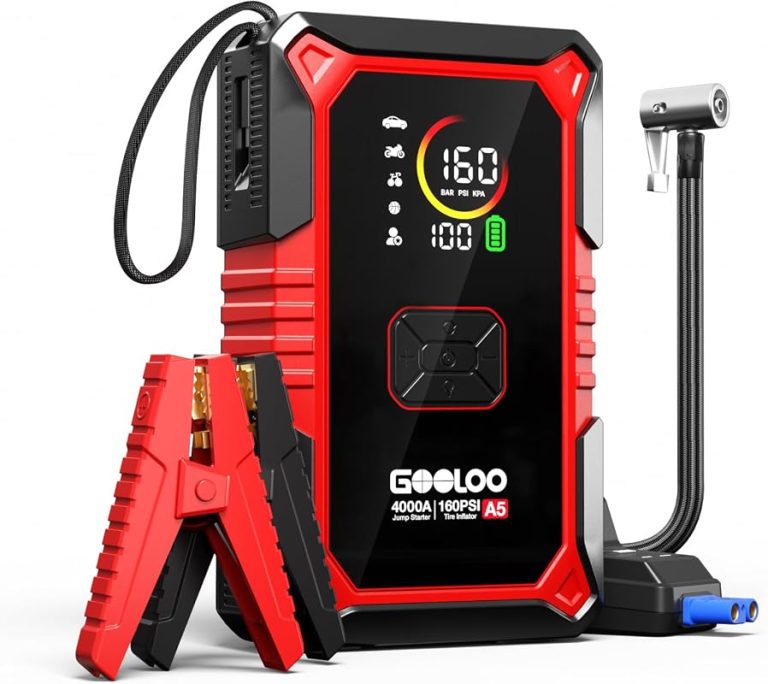
A good travel jump starter should do more than start a car once. For rental-car travelers, the best models are compact, easy to store, and useful in a range of emergency situations without adding clutter to your luggage.
Compact storage, USB charging, and phone power features
Many jump starters now double as power banks for phones, tablets, and small accessories. That can be helpful on long airport layovers, overnight road trips, or when you need to keep navigation and rideshare apps running after a dead battery event.
- Phone mount
- USB car charger
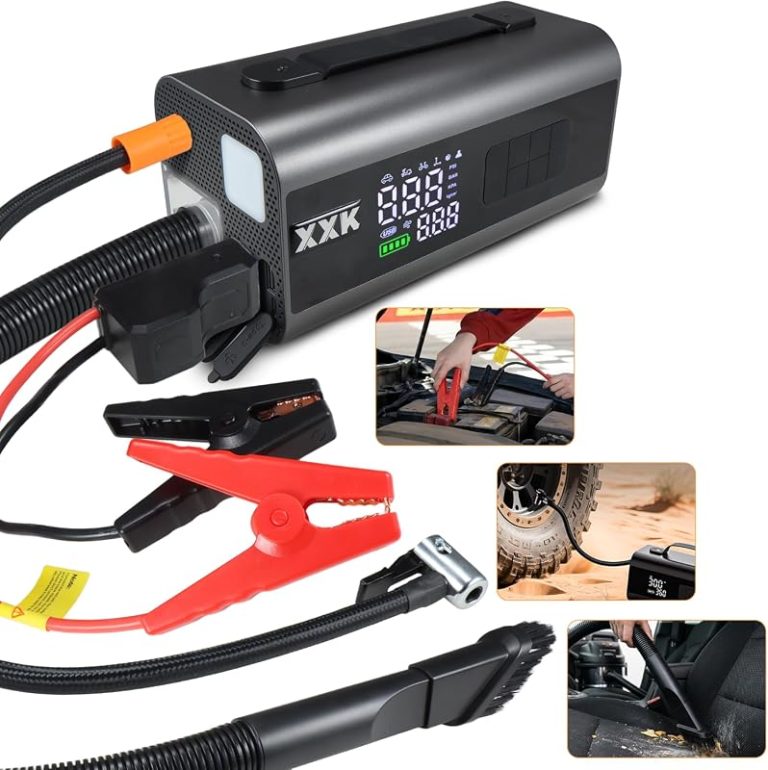
- Tire inflator
- Flashlight
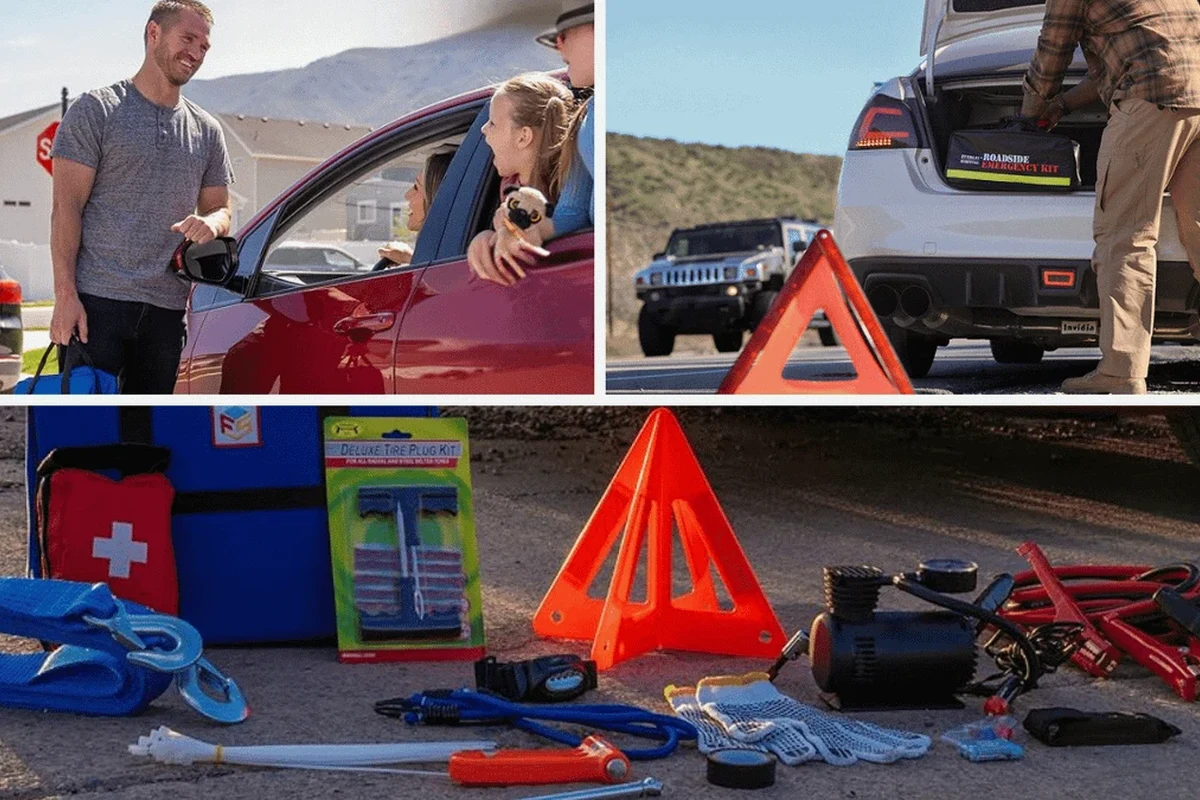
- Basic emergency kit
Still, extra features should not replace core starting ability. If you want one device for travel, make sure the jump-start function is the priority and the USB ports are a bonus.
Tire inflation, emergency lighting, and weather readiness
Some portable units include LED flashlights, SOS modes, or even air compressor bundles. These features can be useful for roadside stops, early-morning departures, and dark parking lots, but they also make the device larger and may shorten convenience if the unit becomes too heavy to carry.
If you drive in rain, snow, or remote areas, emergency lighting and clear battery indicators can be more valuable than flashy extras. The goal is a tool you will actually keep with you in the rental car.
Rental-car compatibility and luggage-friendly design
For rental use, compact design matters because you may switch vehicles often. A jump starter that fits in a backpack pocket or carry-on compartment is easier to transfer from one rental to another and less likely to get left behind at drop-off.
- Verify compatibility, policy, vehicle condition, return rules, and travel needs.
- Keep receipts, photos, rental agreement details, and emergency contact information accessible.
Also think about storage in the rental itself. If the trunk is packed with suitcases, a child seat, or business luggage, a smaller jump starter may be the one you can actually reach quickly when needed.
Common Mistakes When Buying a Jump Starter
Many travelers buy the wrong jump starter because they focus on one feature and ignore the rest. The result is a device that looks good online but does not fit the rental car, the climate, or the way they travel.
Choosing by price alone
The cheapest unit is not always the best value, especially if it lacks safety protections or has weak clamps. For rental-car travelers, reliability and ease of use matter more than saving a small amount on a tool you may depend on in a parking lot or roadside stop.
That does not mean you need the most expensive model either. It means comparing real compatibility, build quality, and storage convenience before deciding.
Ignoring engine size and battery condition
A jump starter that works for a small sedan may struggle with a larger SUV or a battery that has been deeply discharged. If you rent different classes of vehicles, choose based on the largest likely vehicle you will drive, not the smallest one you hope to get.
Also remember that a weak or damaged vehicle battery is not the same as a normal dead battery. If the car repeatedly needs a jump, the rental company should know about it.
Overlooking cold-weather performance and real-world portability
Cold weather can reduce battery performance, so a unit that looks adequate on paper may feel marginal in winter. If you travel to ski towns, northern airports, or mountain regions, that extra margin becomes more important.
Think about where the jump starter will live: in a suitcase, trunk organizer, glove box, or carry-on. If it is too bulky to pack, you may not bring it when you need it.
Practical Buying Guide: What to Look for Before You Purchase
Before buying, decide how you will use the jump starter most often. A business traveler with compact rental sedans has different needs than a family planning winter road trips in a three-row SUV.
Minimum amp range by vehicle type
Use the vehicle class as your starting point, then add safety margin for weather and battery age. A small sedan usually needs less than a midsize SUV, and a truck or larger engine generally needs more than both.
| Vehicle Type | Typical Fit | Buying Focus |
|---|---|---|
| Compact sedan | Smaller portable unit | Lightweight, simple, easy to store |
| Midsize SUV or minivan | Mid-range unit | More starting margin, still portable |
| Full-size SUV or truck | Higher-output unit | Check manufacturer engine-size guidance |
| Hybrid or start-stop vehicle | Manual-specific unit | Confirm compatibility and jump points |
Safety protections and build quality
Look for reverse polarity protection, short-circuit protection, spark protection, and clear status indicators. These features are especially helpful for renters who may be using the device under stress, in poor lighting, or after a long travel day.
For rental-car use, a jump starter should be easy to understand at the curb, not just impressive on a spec sheet.
Build quality also matters for storage in hot cars or crowded trunks. A sturdy case, protected clamps, and a battery indicator you can read quickly are practical advantages, not just marketing extras.
Accessories that improve emergency use on the road
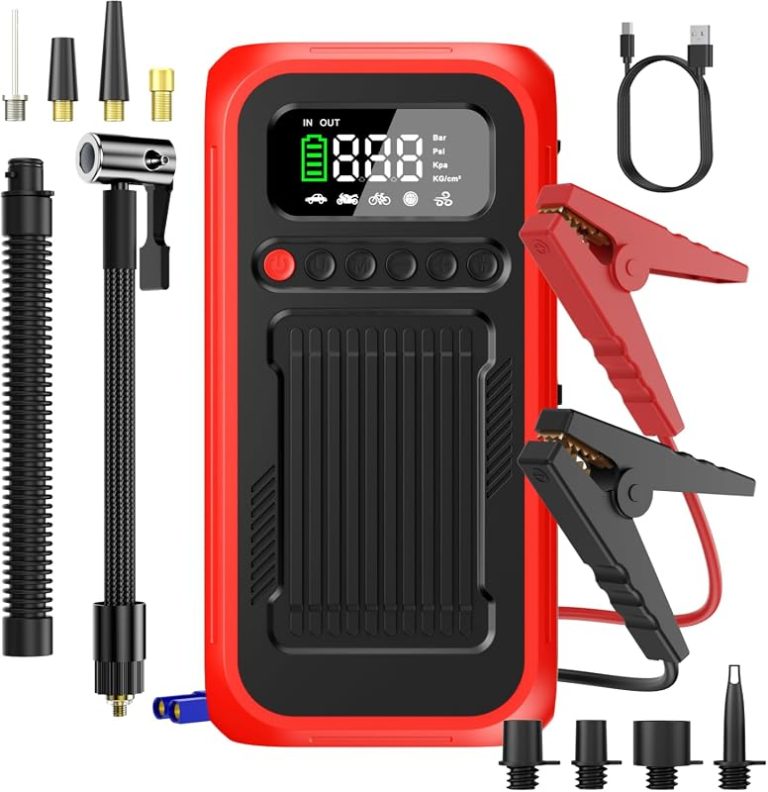
Useful extras can include a carrying case, USB charging cable, wall charger, and a bright flashlight. If you travel often, these small additions can make the jump starter easier to keep charged and ready.
Before purchase, confirm the return policy, warranty terms, and whether the device is allowed in your usual travel bag or airline carry-on. Policies can vary by retailer, airline, and battery type, so it is worth checking before you pack.
Final Recommendation: The Best Jump Starter Size for Most Renters
For most renters, the best choice is a compact-to-mid-size jump starter with enough output for a typical sedan and some extra margin for a crossover or minivan. That balance gives you the best mix of portability, compatibility, and usefulness across common rental vehicles.
When to buy smaller, when to size up, and when to rely on roadside assistance
Buy smaller if you usually rent compact cars, travel light, and want something easy to store. Size up if you often rent SUVs, drive in cold weather, or want a single device that can handle a wider range of vehicles.
Rely on roadside assistance if you rent larger trucks, have a hybrid with unclear jump-start instructions, or see warning lights, battery damage, or repeated electrical problems. For rental-car travelers, the smartest choice is not always the biggest jump starter; it is the one that fits your vehicle, your trip, and the rental company’s rules.
Frequently Asked Questions
Most renters can start with a compact-to-mid-size jump starter that fits common sedans and crossovers. If you rent larger SUVs, trucks, or winter vehicles, size up and confirm the manufacturer’s engine guidance.
Not always. Peak amps, starting amps, and cranking amps can be labeled differently, so check the compatibility chart and vehicle-size guidance instead of comparing only the headline number.
Sometimes, but hybrids and start-stop systems may have special jump points or procedures. Check the owner manual and the rental company’s instructions before connecting anything.
Ask about roadside assistance, battery issues, and whether you should call them before attempting a jump start. Also confirm any rules about electrical problems, warning lights, or damage responsibility.
Pull over safely when appropriate and contact the rental company or roadside assistance. Do not keep driving if the car shows a serious warning light, smell, or electrical problem.
No. Bigger can mean heavier, harder to pack, and unnecessary for small rentals. Choose the smallest unit that still matches your likely vehicle type and weather conditions.